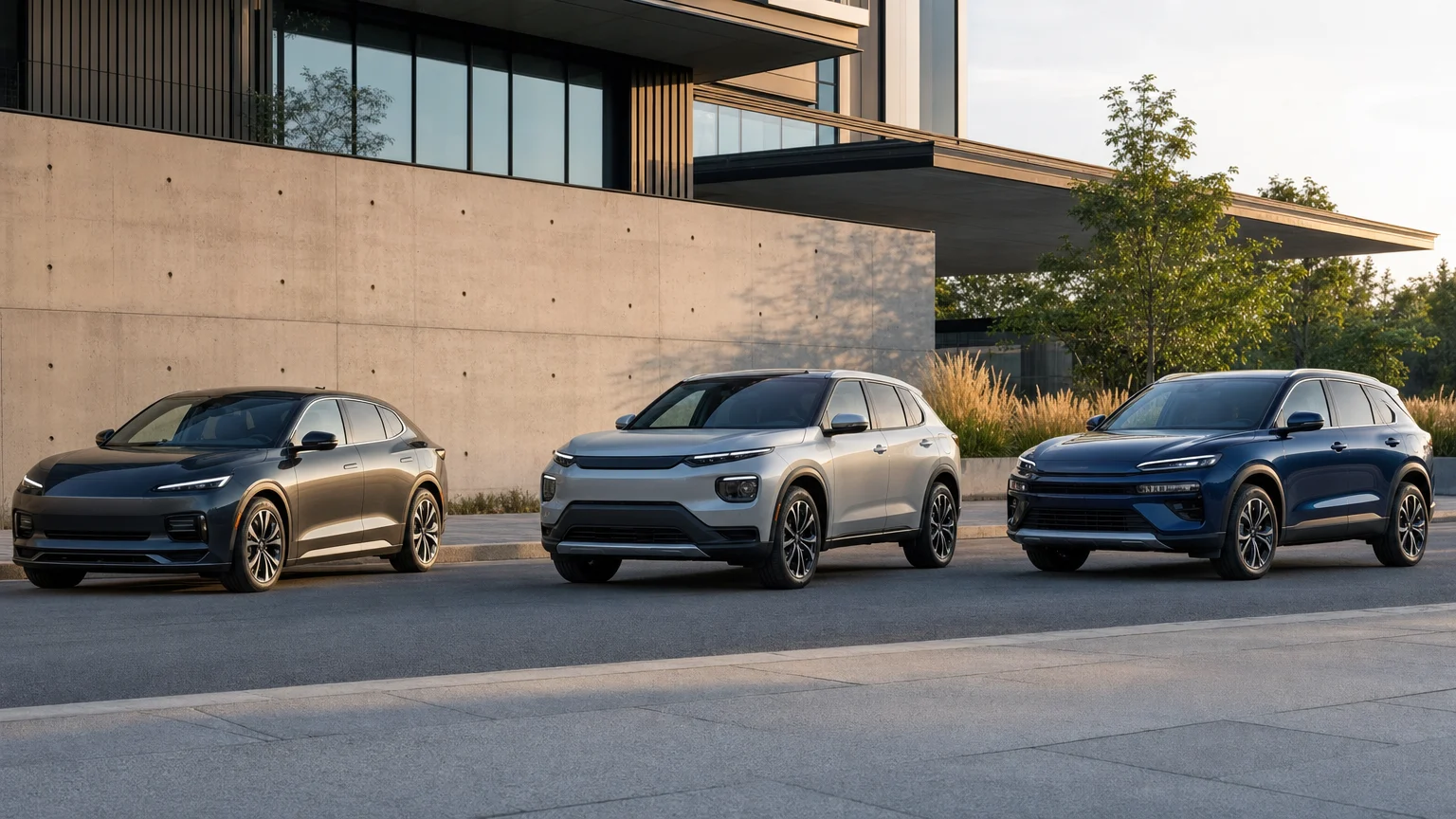
NHTSA’s New Pedestrian Test Is Useful—With a Catch
Federal pedestrian-protection results now give 2027-car shoppers a new safety signal, but the first list is a pass/fail screen, relies initially on manufacturer data and can vary by trim.
Source-backed analysis of the vehicles, technologies and business decisions shaping what people drive.
Federal pedestrian-protection results now give 2027-car shoppers a new safety signal, but the first list is a pass/fail screen, relies initially on manufacturer data and can vary by trim.
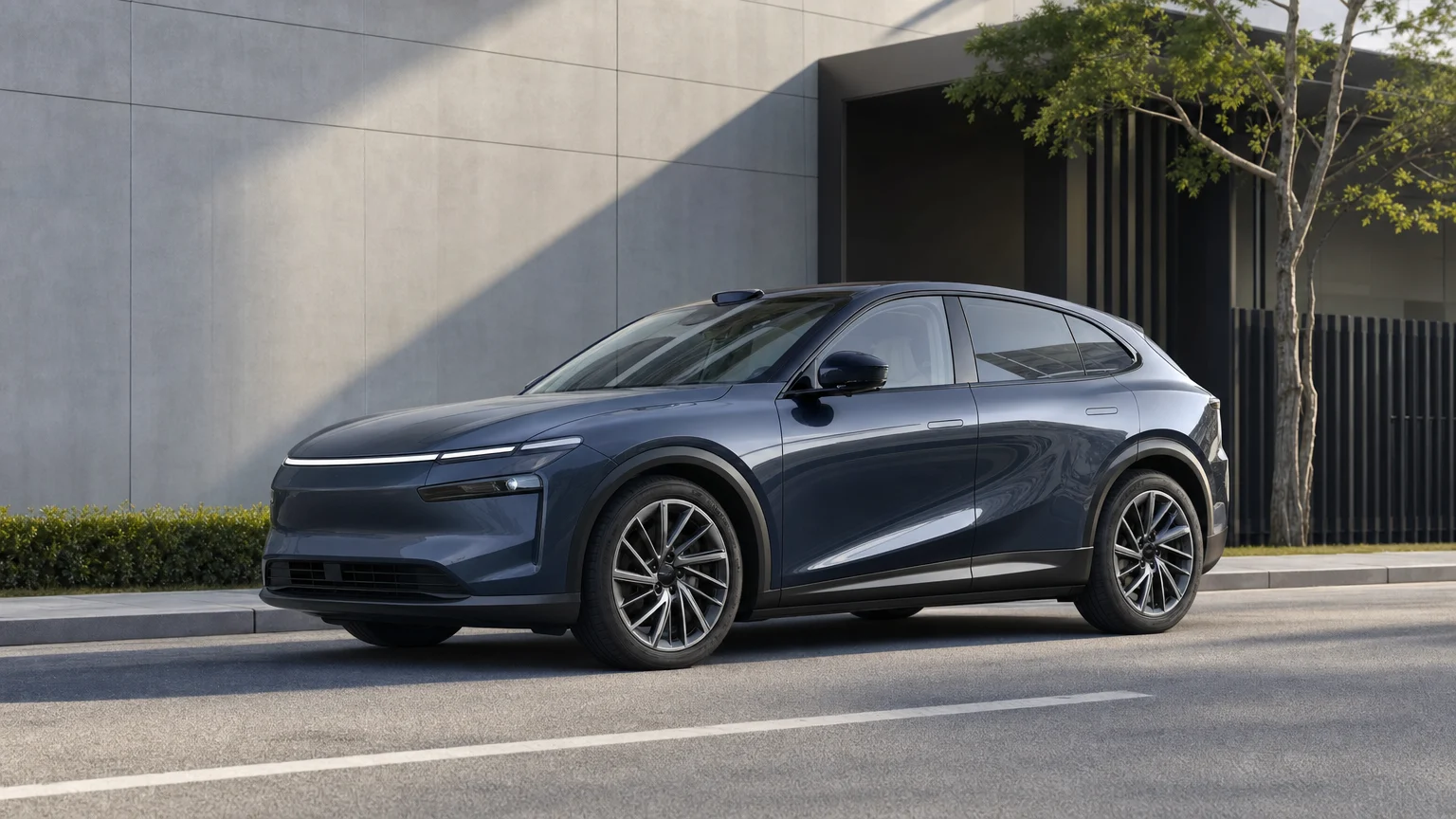
Six major US auto-industry groups are urging the White House not merely to retain barriers on Chinese vehicle imports, but to block Chinese automakers from building connected vehicles in America. The dispute shows that a
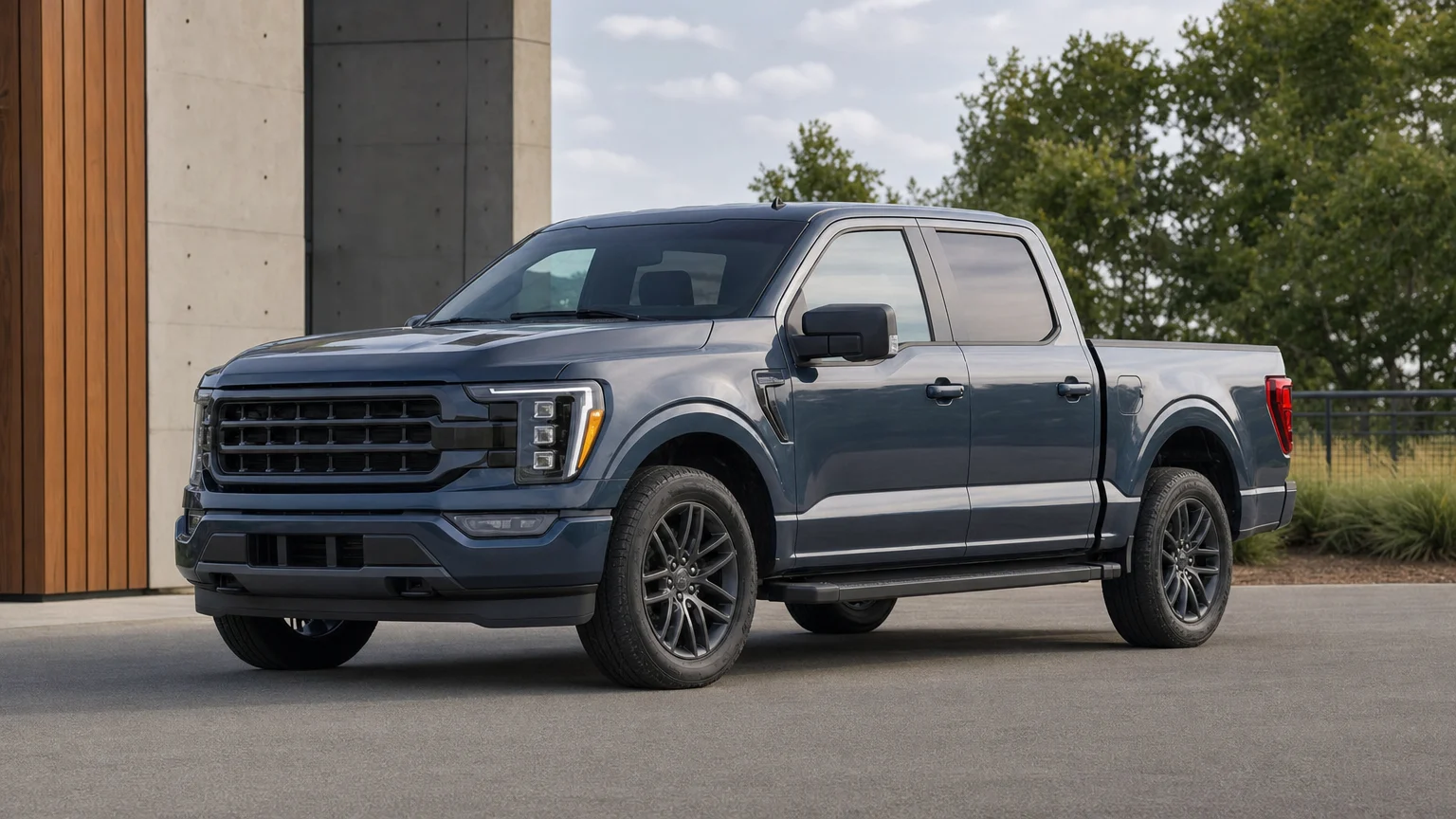
Ford has recalled 223,472 F-150 pickups after finding that an improperly secured fuel tank could leak or detach. Here is what the campaign means for affected 2023–2027 trucks and why the repair deserves prompt attention.
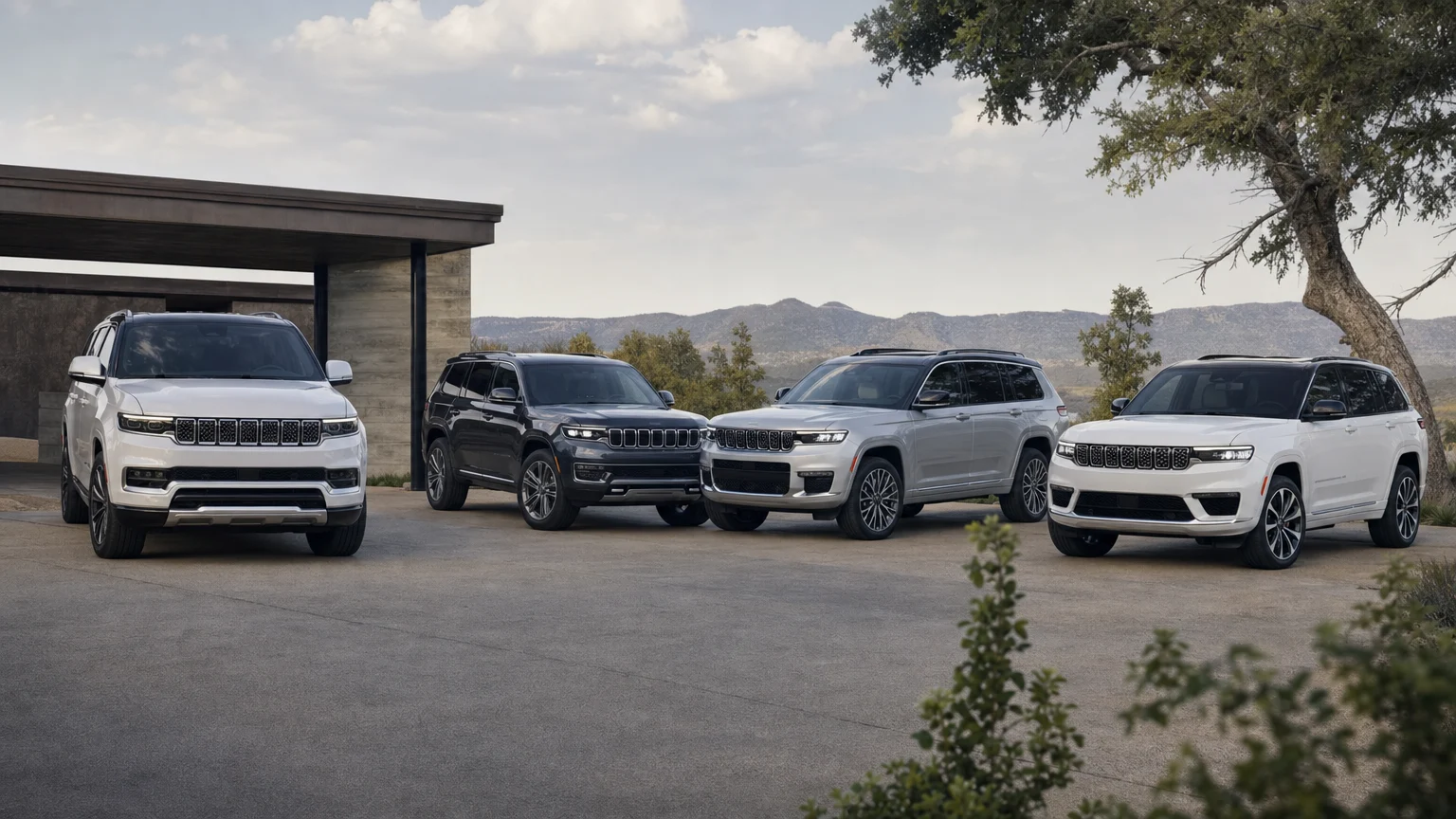
A newly reported Jeep recall covers nearly 202,000 SUVs whose tire-pressure warning may not alert drivers. The defect is software-based, but the owner response should be practical rather than casual.
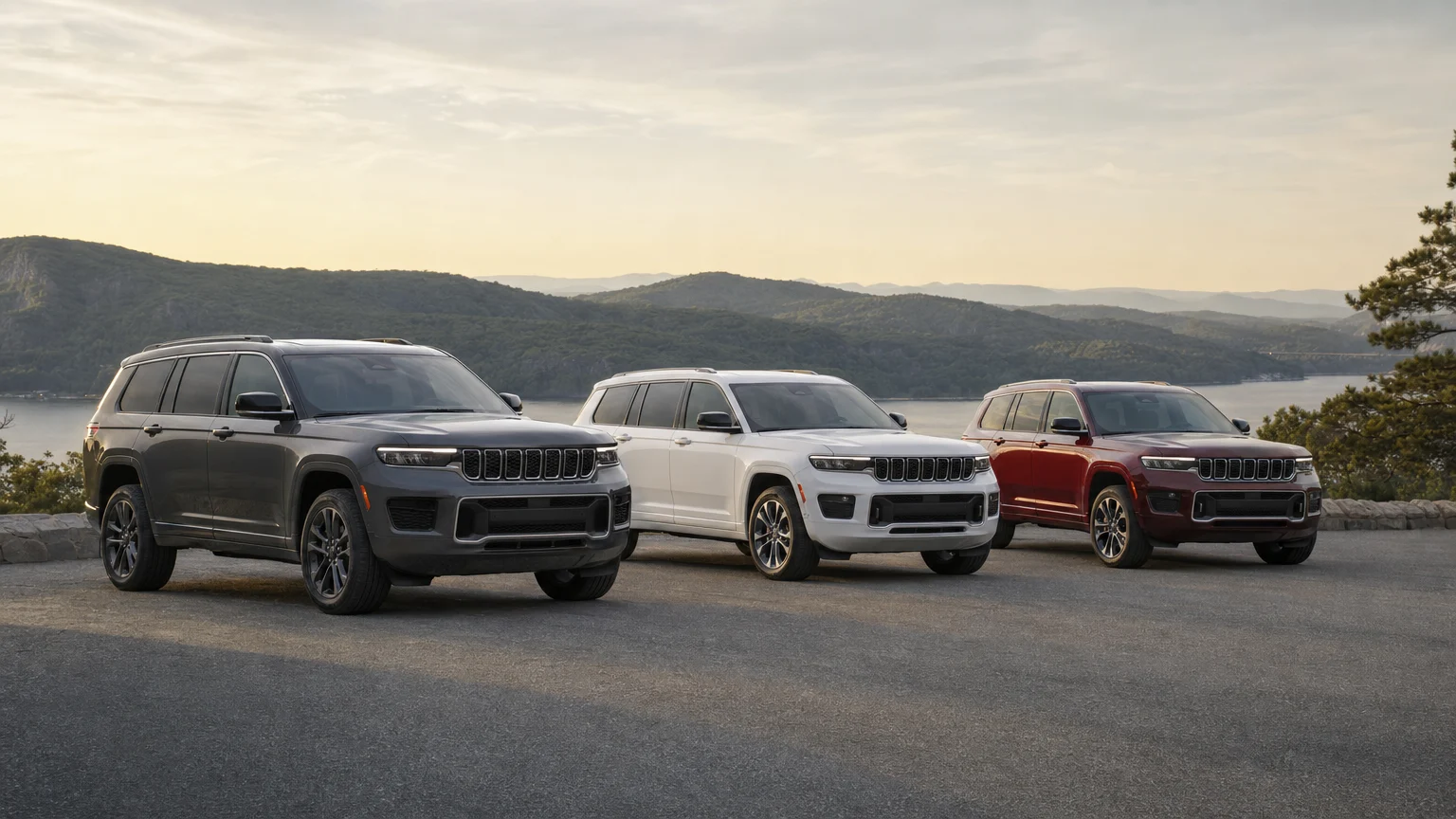
A new 328,381-vehicle Grand Cherokee recall replaces two earlier campaigns and requires another dealer visit even for SUVs repaired before.
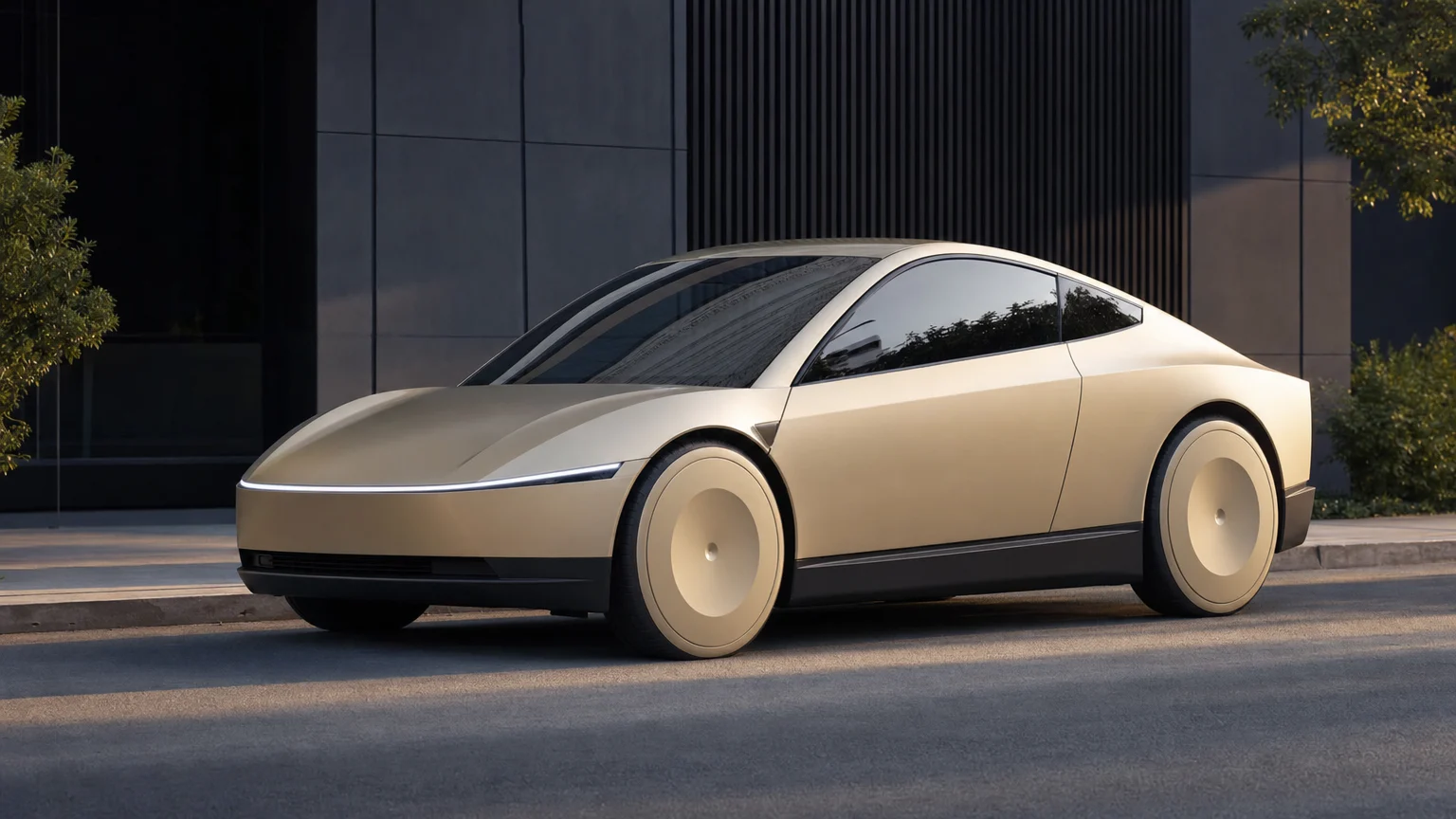
NHTSA’s September 4 Cybercab audit examines Tesla’s self-certification after Austin deployment. The case shows why driverless capability and federal compliance are separate questions.
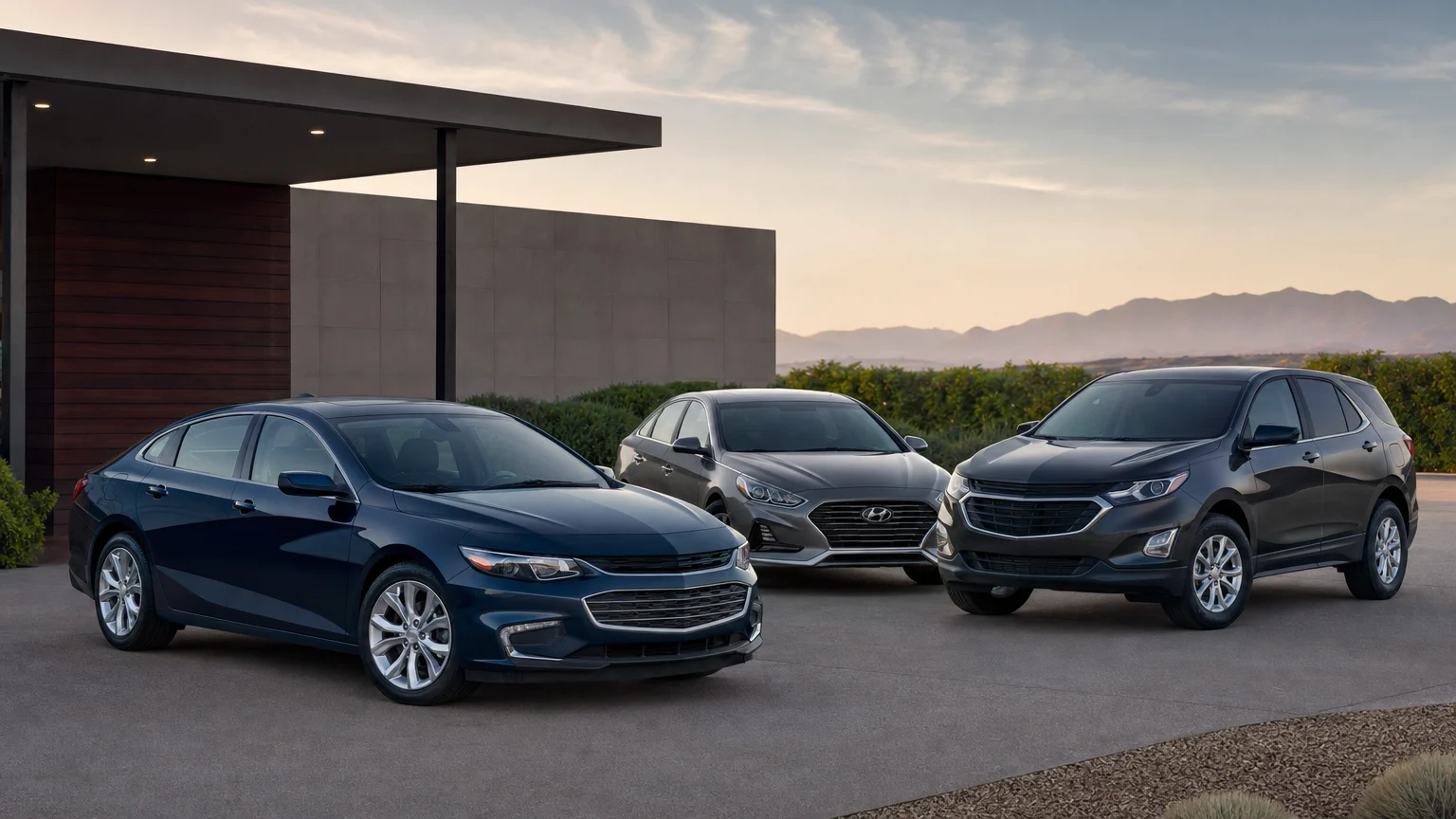
An 11th death tied to a banned replacement airbag inflator turns a used-car repair-history question into an immediate safety check—one that a VIN recall search cannot answer.
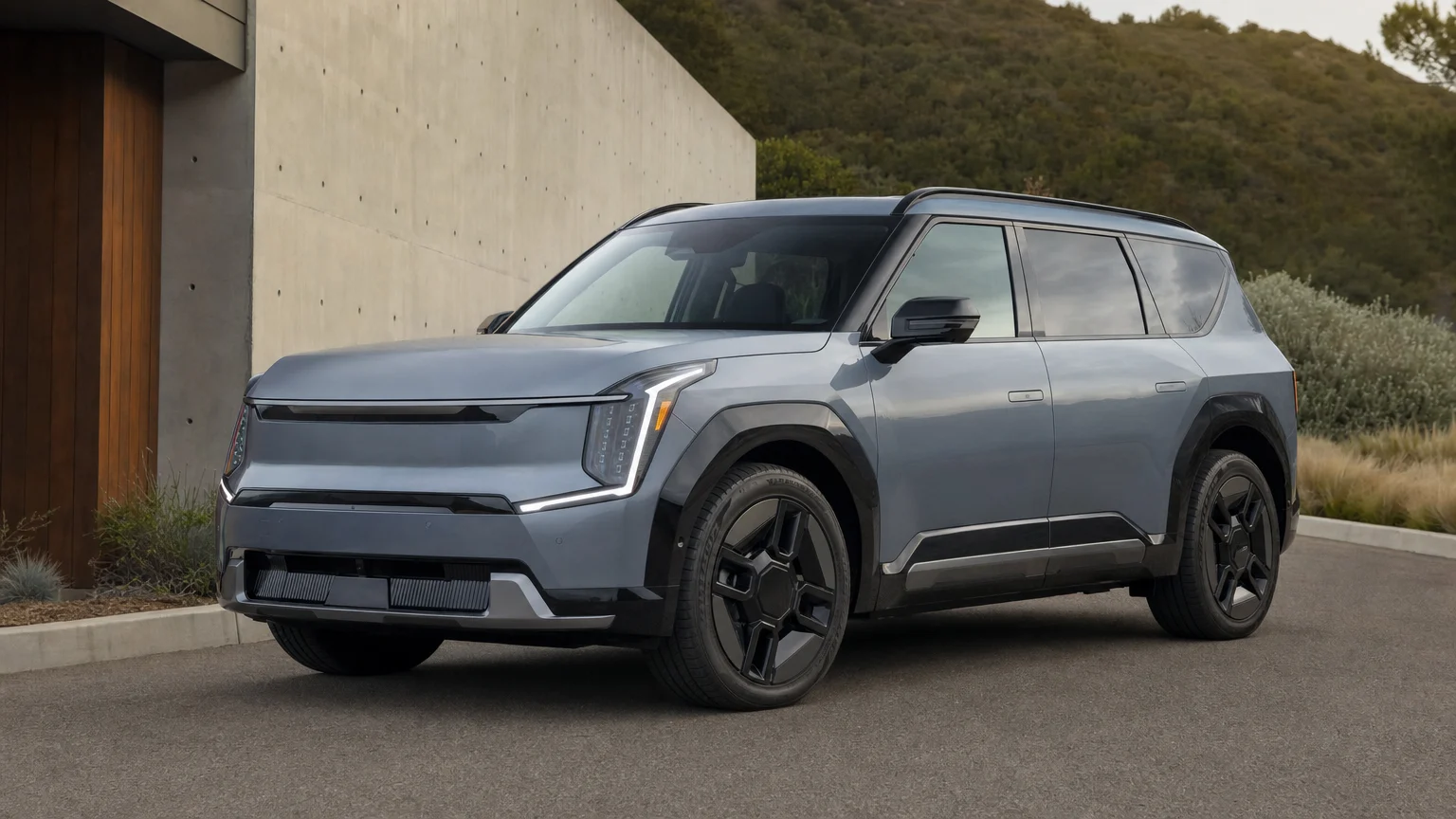
Kia is recalling 21,290 EV9 electric SUVs over a front-passenger occupant-detection issue. The recall underscores why family-SUV owners should verify repair status by VIN rather than rely on model year alone.
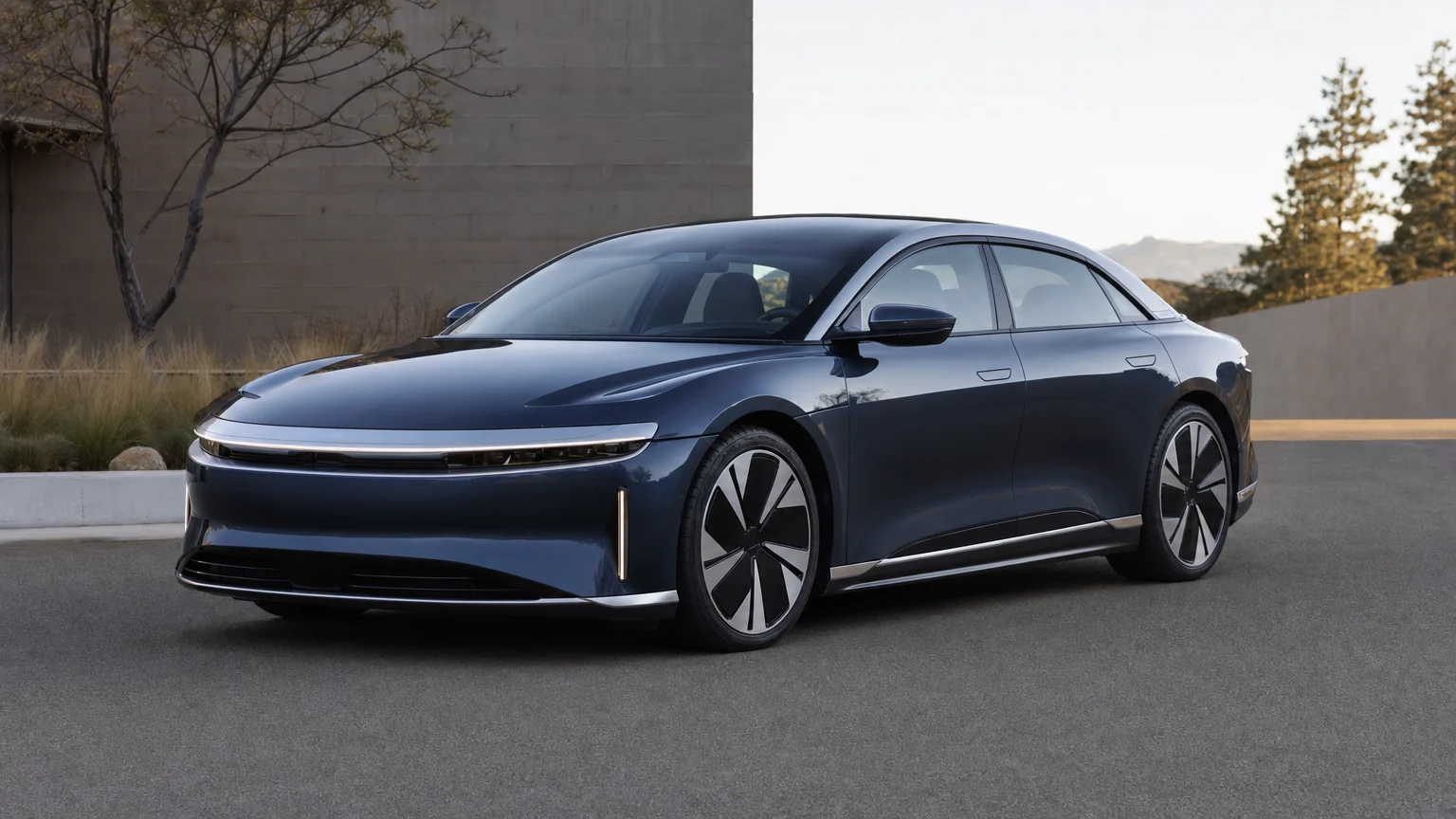
A recall covering 27,185 Lucid Air sedans pairs a fire warning with an over-the-air remedy. For owners, the important question is whether the update has actually finished.
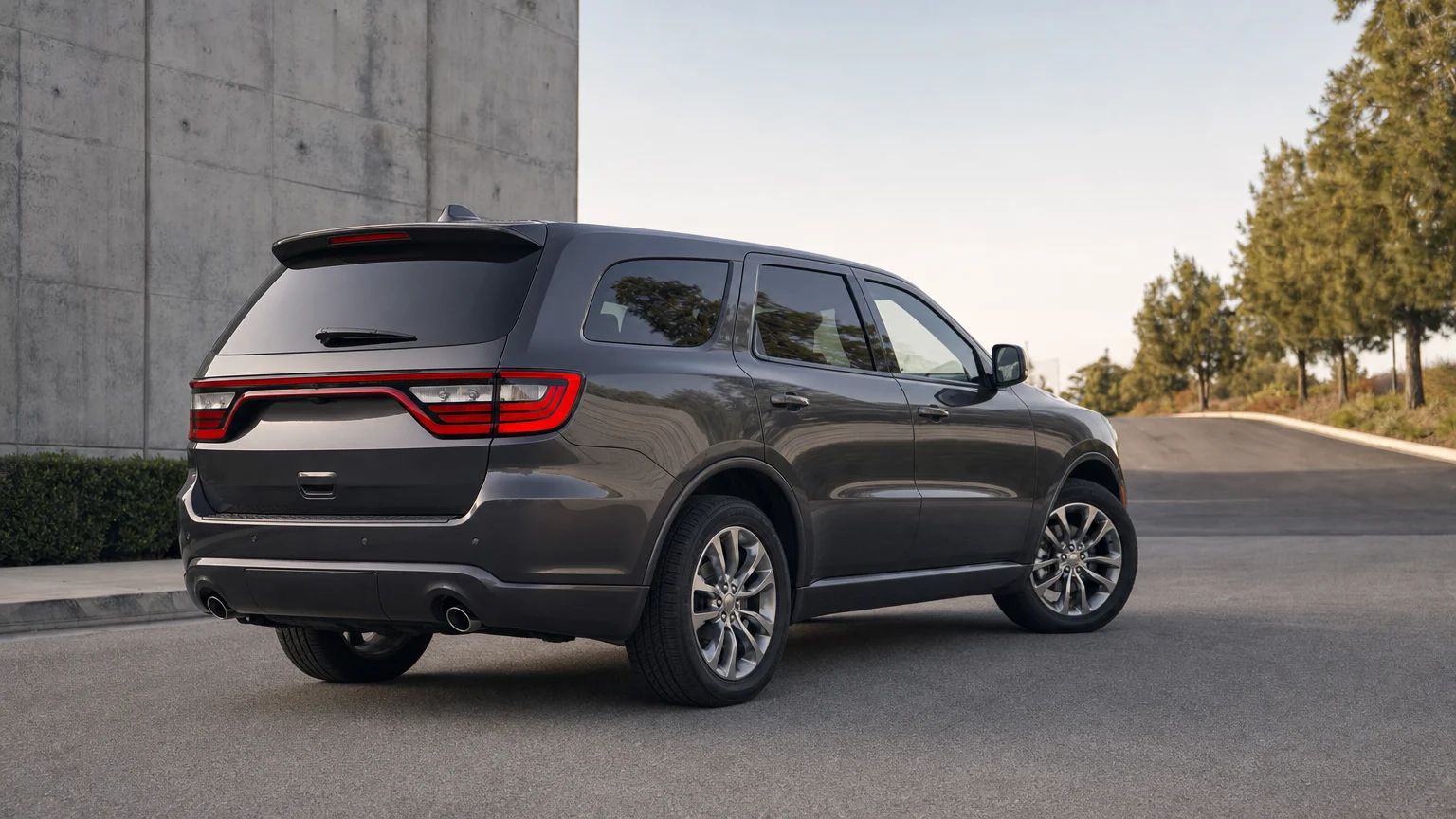
A new 74,578-vehicle recall covers 2021-2023 Dodge Durangos whose rear spoilers can be damaged during liftgate use and detach on the road—including SUVs repaired in two earlier campaigns.
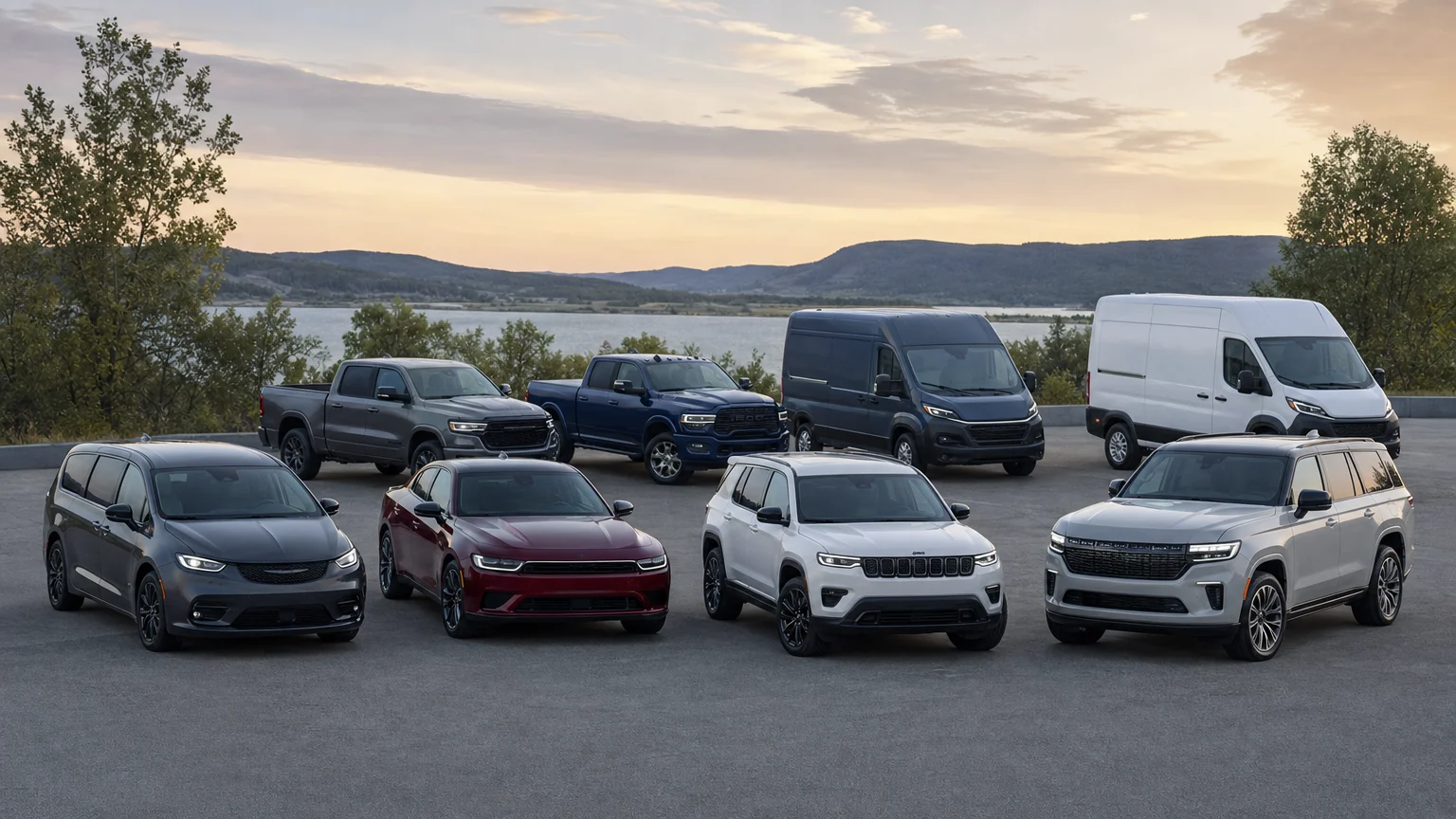
A radio-software recall spanning Chrysler, Dodge, Jeep and Ram shows both the appeal and the practical limits of using over-the-air updates to resolve a federal safety issue.
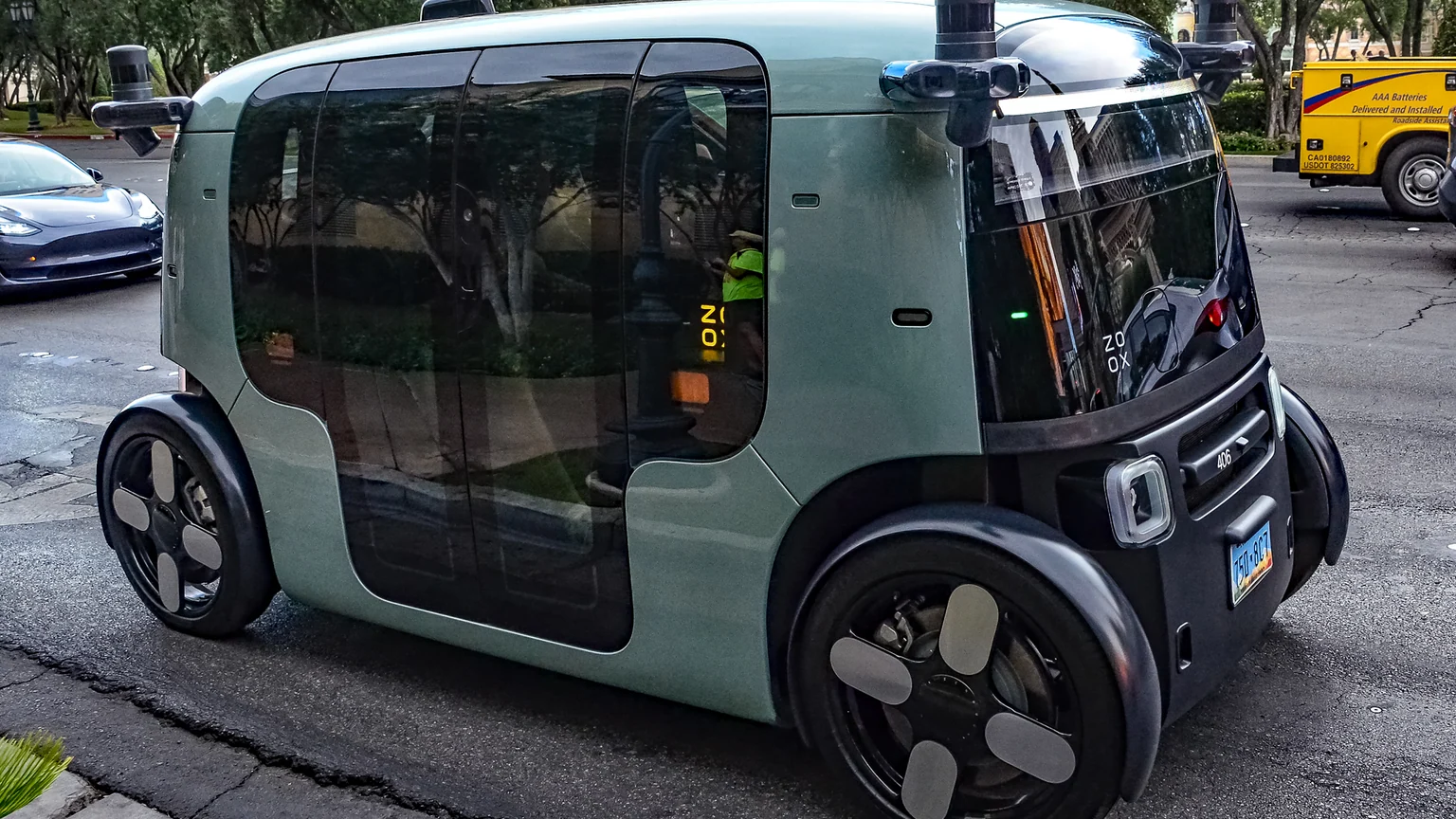
Federal actions now give automated-vehicle developers a clearer route to limited U.S. deployment. The unresolved question is whether oversight and public evidence will keep pace.
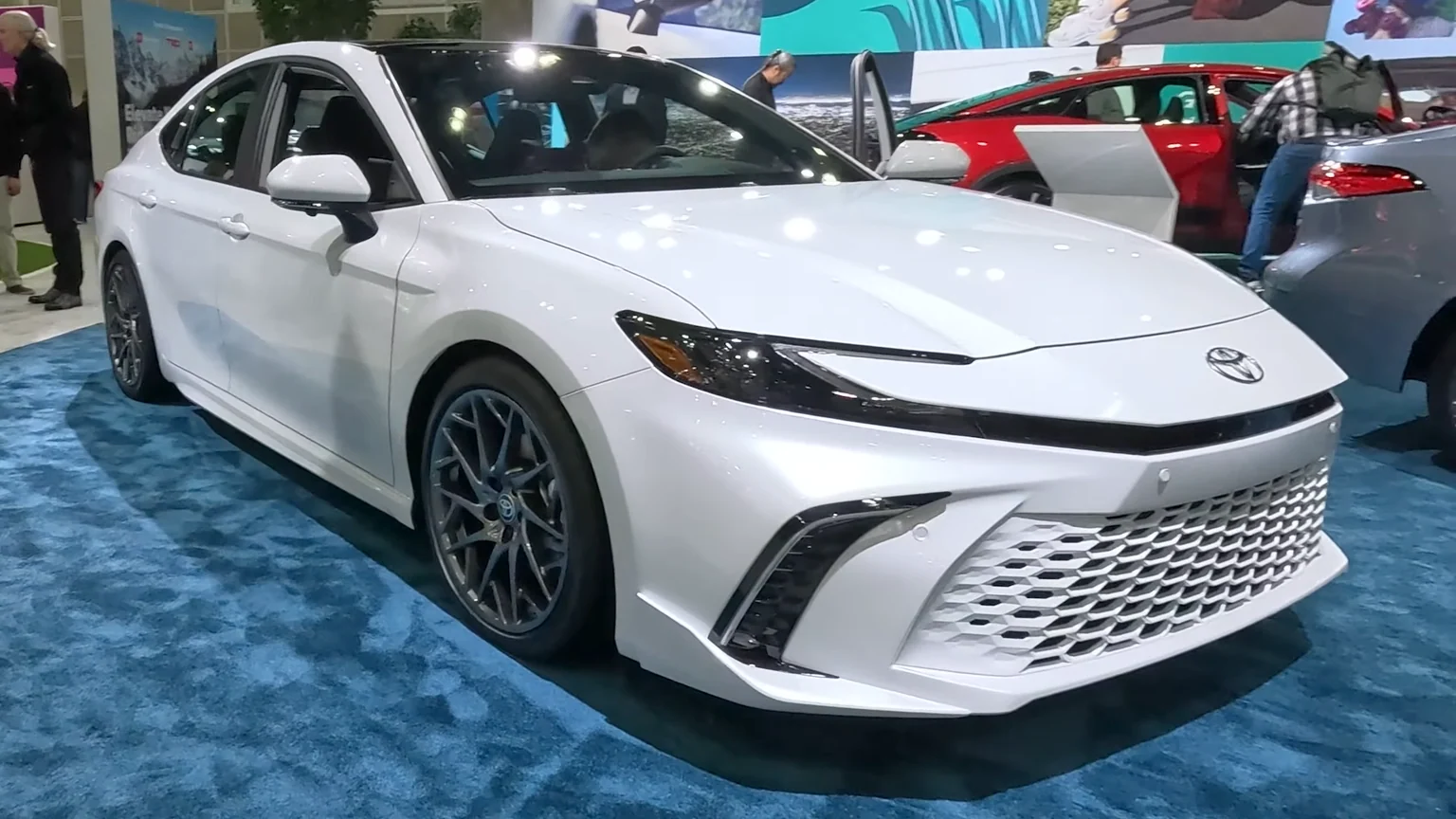
Toyota’s 2026 Camry recall and its earlier 12.3-inch display campaign involve different equipment and remedies. Here is how owners can distinguish the two.
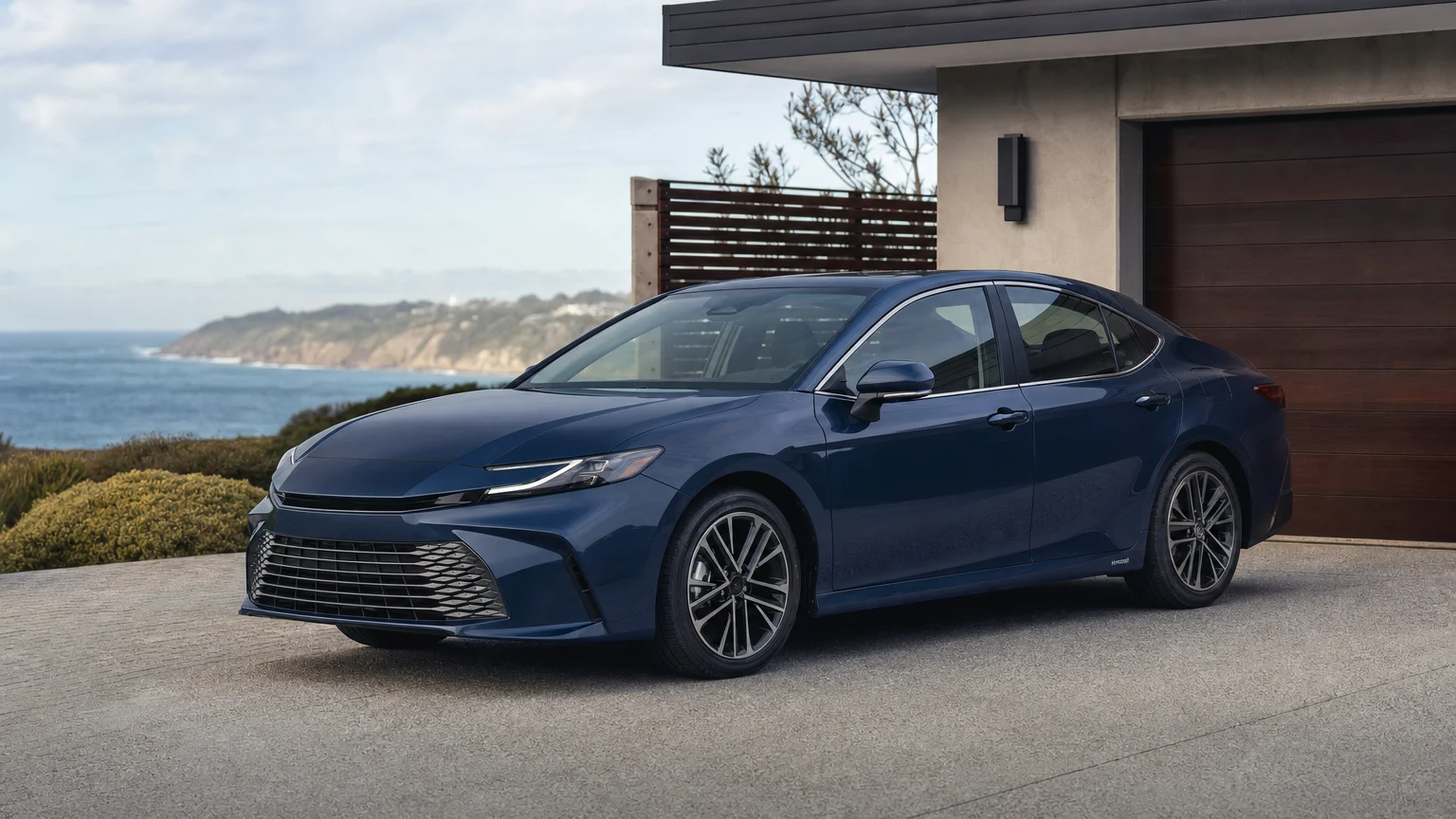
The 2025–2026 Camry recall covers 508,354 U.S. vehicles. A 7-inch-meter software fault can disable turn signals, hazard lights and warnings, not just blank the screen.
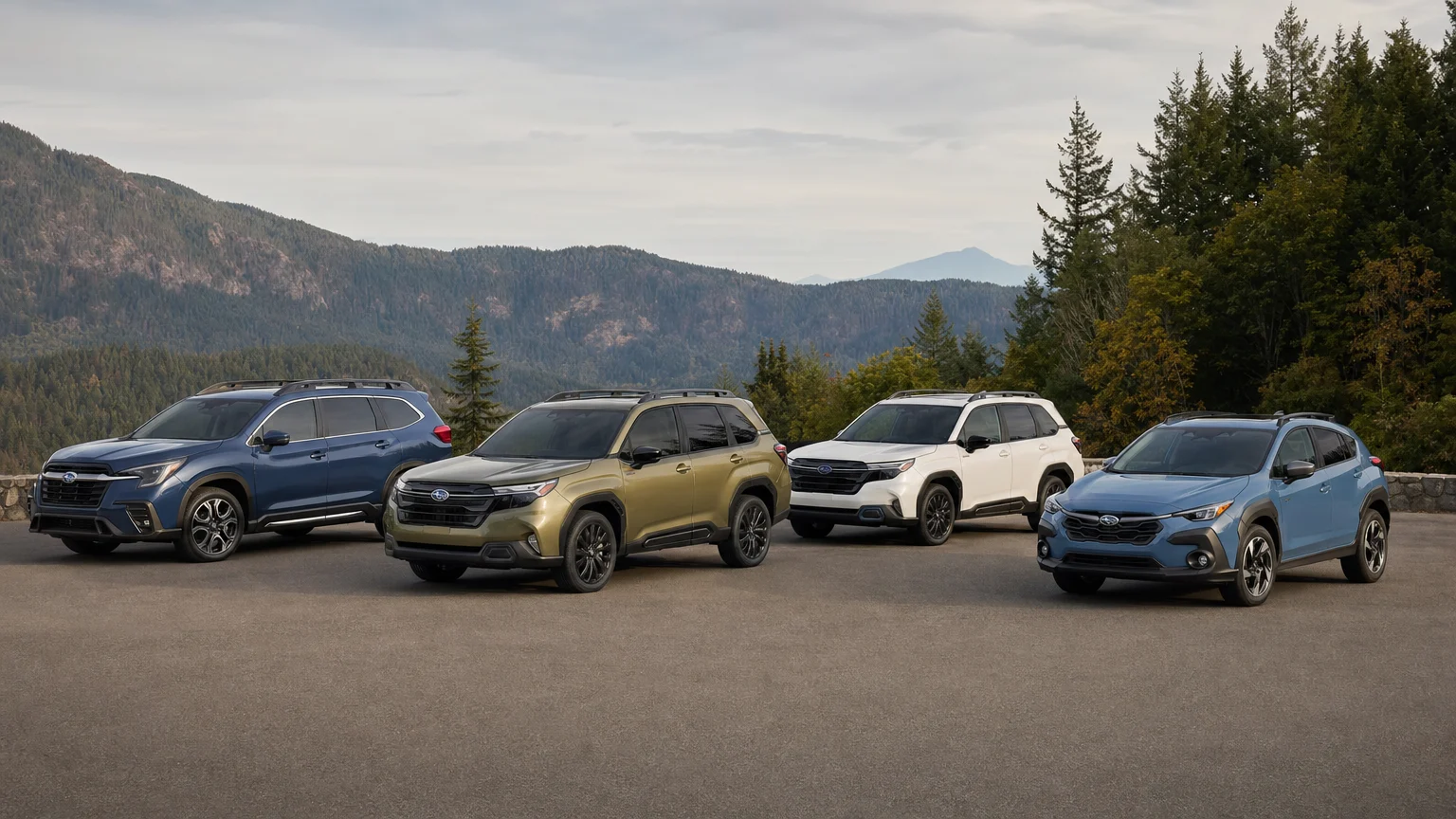
Subaru’s recall concerns incorrect axle-weight information on the doorjamb label. It is not a mechanical repair, but the corrected label matters when owners load their vehicles heavily.
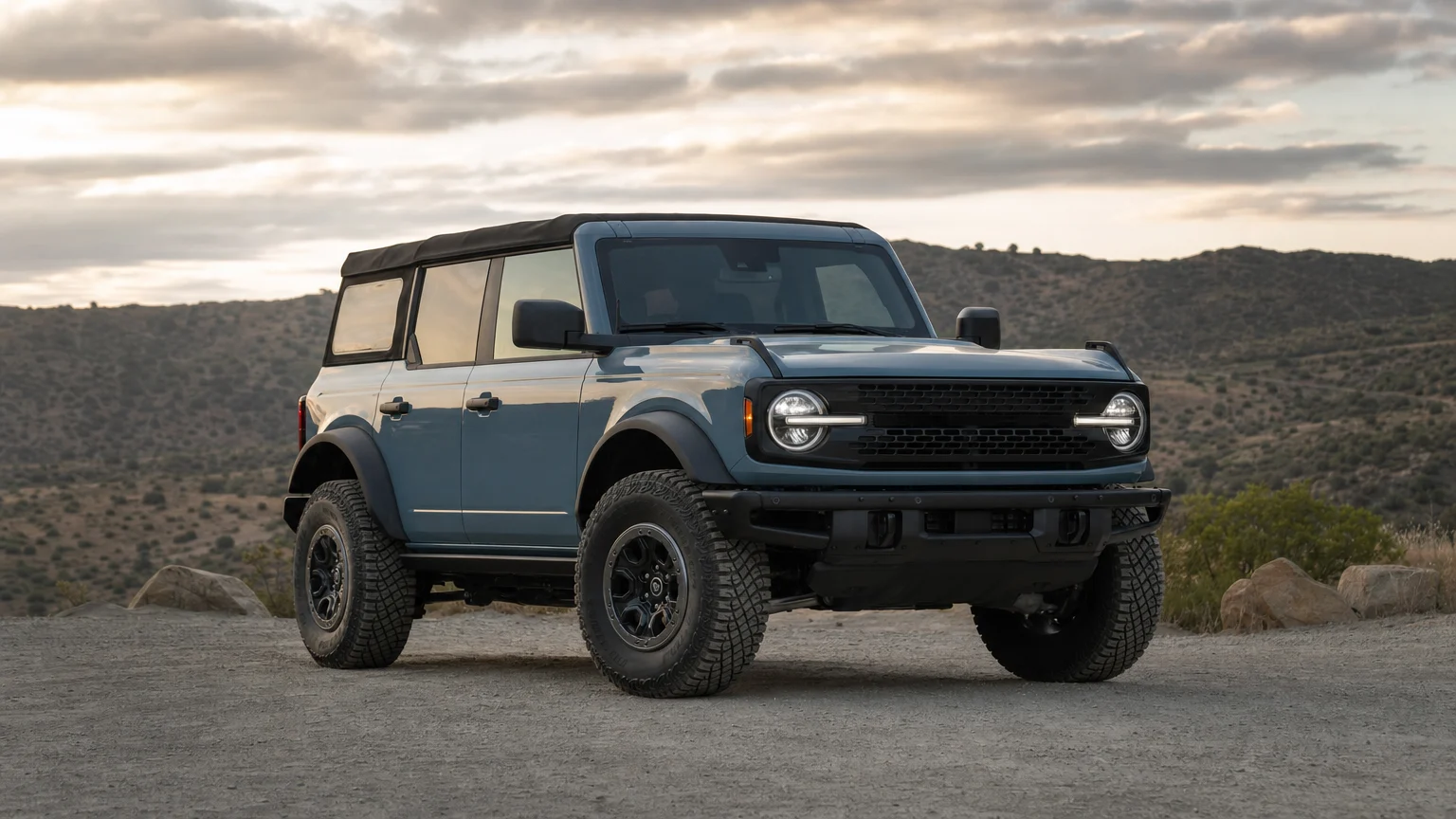
Ford’s 565,691-vehicle Bronco wiring-harness recall concerns fire risk, VIN eligibility and a free protective-sheathing repair. Here is why Bronco Sport recalls are separate.