Stellantis’ Rearview-Camera Recall Tests OTA Completion
A radio-software recall spanning Chrysler, Dodge, Jeep and Ram shows both the appeal and the practical limits of using over-the-air updates to resolve a federal safety issue.

Stellantis’ August 2026 U.S. safety action is unusually broad in brand reach but narrow in its technical cause: FCA US says radio software may keep the rearview-camera image from appearing on the media screen when an affected vehicle is shifted into reverse. The August 17, 2026 announcement covers an estimated 848,511 U.S.-market Chrysler, Dodge, Jeep and Ram vehicles, with an over-the-air software update planned for September.
For owners, the immediate issue is straightforward. A rearview image that fails without warning removes a safety aid that has been required on new light vehicles for years. For the industry, the recall is a useful test of a more consequential proposition: whether a safety campaign can be completed quickly and reliably when the remedy arrives through the vehicle’s connectivity and the owner’s acceptance of an on-screen prompt rather than through a scheduled service appointment.
Source update — September 16, 2026: The amended August 25 report for 26V531000 lists 844,027 U.S. vehicles, rather than the 848,511 cited in the original announcement and article. It specifies an OTA update where capable and available, or a USB update at a dealer. The original publication date and URL are retained; the current count and remedy route have been corrected.
Which vehicles are included—and what can go wrong
The recall population spans several of Stellantis’ newest, high-volume vehicles. It includes 2026-2027 Chrysler Pacifica, Pacifica Plug-in Hybrid and Voyager minivans; 2026-2027 Dodge Charger vehicles; 2026 Jeep Cherokee, Compass, Gladiator, Grand Cherokee, Grand Cherokee L, Grand Wagoneer, Grand Wagoneer L and Wrangler vehicles; and 2026 Ram 1500 and 2500 pickups, plus ProMaster and ProMaster EV vans.
According to FCA US, the radio software may prevent the camera image from displaying on the vehicle’s media screen. The official filing says there may be no advance warning before the condition occurs.
That last point should not minimize the practical risk. Backing maneuvers happen in driveways, parking lots, loading areas and crowded curbside spaces, often with pedestrians or smaller objects behind the vehicle. Rearview cameras are supplementary to looking around and using mirrors, but a display that is expected to activate can influence a driver’s normal reversing routine. Federal rear-visibility rules made cameras standard equipment on new light vehicles beginning in 2018 because backover crashes had caused substantial deaths and injuries.
The campaign also illustrates a defining feature of modern recalls: one defect in a shared software layer can cut across minivans, pickups, body-on-frame SUVs, electric vans and performance-oriented cars. The common link is not a mechanical part or a single assembly plant. It is the infotainment and display software architecture that connects a legally required camera function to the screen the driver sees.
The remedy is remote, but completion still depends on owners
FCA US specifies updated radio software, delivered over the air where the vehicle is capable and the update is available, or by USB at a dealer. The amended report plans remedy-owner notices from September 1 through September 25, 2026. Those planned dates do not prove that a particular owner has received a notice or completed the repair. Owners should ask the dealer which update route applies to their VIN.
This approach has an obvious advantage. A remote update can avoid the travel, scheduling and shop-capacity constraints of a conventional recall, particularly for a campaign approaching 850,000 U.S. vehicles. For commercial ProMaster owners and families using a Pacifica daily, avoiding an unnecessary appointment is a real convenience.
But an OTA remedy does not make owner participation irrelevant. The update has to reach the vehicle, be presented to the owner and be accepted and completed. A vehicle with limited connectivity, an ignored prompt or a failed installation may remain unrepaired until its owner takes action. That is why a VIN check still matters even when the fix is digital. NHTSA advises owners to use its recall tool or a manufacturer VIN lookup to identify open safety recalls; recall repairs are performed at no charge.
The key distinction for buyers is between remedy availability and recall completion. An OTA campaign may be quicker to deploy than a dealer repair, but a vehicle is not necessarily fixed merely because the manufacturer has announced that an update will be offered.
Related RecallWire coverage: How a vehicle screen can become a safety-recall issue
What affected owners should do now
First, check the vehicle identification number through Mopar’s recall lookup, especially if the vehicle is one of the listed 2026 or 2027 models. Stellantis said VIN eligibility for this campaign could be checked beginning August 20, 2026. A model-year match alone does not establish that a particular vehicle is included.
Second, until the update is installed, treat a missing camera image as a reason to slow down and revert to fundamental reversing practice. FCA US specifically advises drivers to remain aware of their surroundings and use both rearview and side mirrors if the image does not appear. Drivers should not attempt to troubleshoot the display while the vehicle is moving or assume the camera will return on the next shift into reverse.
Third, follow the manufacturer’s recall instructions for the update route available to the vehicle, including the dealer route when required. If the prompt does not appear after the remedy is expected to be available, or if installation cannot be completed, contact an authorized dealer or Stellantis customer care. Owners should retain their recall notice and confirm afterward that the campaign no longer shows as open for their VIN.
Finally, fleet managers should not treat this as only an infotainment concern. Vehicles that make frequent stops and reversals—delivery vans, work pickups and passenger shuttles—may accumulate more opportunities for the condition to matter. A centralized VIN audit and a documented update-completion process are more useful than waiting for individual drivers to report a blank display.
Why this recall matters beyond Stellantis
Software-defined vehicles promise that some defects can be corrected faster than traditional service campaigns. This recall demonstrates the upside: FCA US can distribute updated radio software remotely to capable vehicles across Chrysler, Dodge, Jeep and Ram, while retaining a dealer update route.
It also exposes the constraint. Connectivity changes the delivery method, not the safety obligation. The manufacturer still must identify the affected vehicles, notify owners, provide a free remedy and ensure that owners have a workable path to completion when remote installation is unsuccessful. The dealer remains part of the safety net even when the intended repair is digital.
For automakers, that makes update design and recall communication safety-critical functions. The prompt must be understandable, the installation process must be robust, and customer support must be prepared for vehicles that do not update normally. For consumers, the lesson is less technical: software updates tied to a recall deserve the same attention as a mailed instruction to replace a physical component.
Related RecallWire coverage: RecallWire Monthly Recall Roundup
A faster fix is valuable only when it reaches the vehicle
The Stellantis rearview-camera campaign is a major recall because of its revised 844,027-vehicle U.S. scale and its sweep across four brands, not because it requires a complicated repair. Its remedy may be as simple as accepting a software update, but that does not make it optional or automatic. Owners of the listed vehicles should check their VINs, watch for the September update process and use mirrors and heightened caution whenever the camera image is absent. The broader industry test is whether OTA recalls can deliver not just speed, but verified completion at scale.
See the Stellantis rearview-camera campaign report for the current campaign summary.
Sources used for this analysis.
References checked September 16, 2026.
- Reuters via Euronext. Stellantis recalls 955,000 vehicles because radio software may disrupt rear-view camera. Published August 17, 2026. Accessed August 21, 2026.Source ↗
- National Highway Traffic Safety Administration. Vehicle Safety Resources. Accessed August 21, 2026.Source ↗
- National Highway Traffic Safety Administration. Consumer Alert: Time to Check for Vehicle Safety Recalls. Accessed August 21, 2026.Source ↗
- National Highway Traffic Safety Administration. Stellantis rearview-camera recall 26V531: amended August 25 report. Accessed September 16, 2026.Source ↗
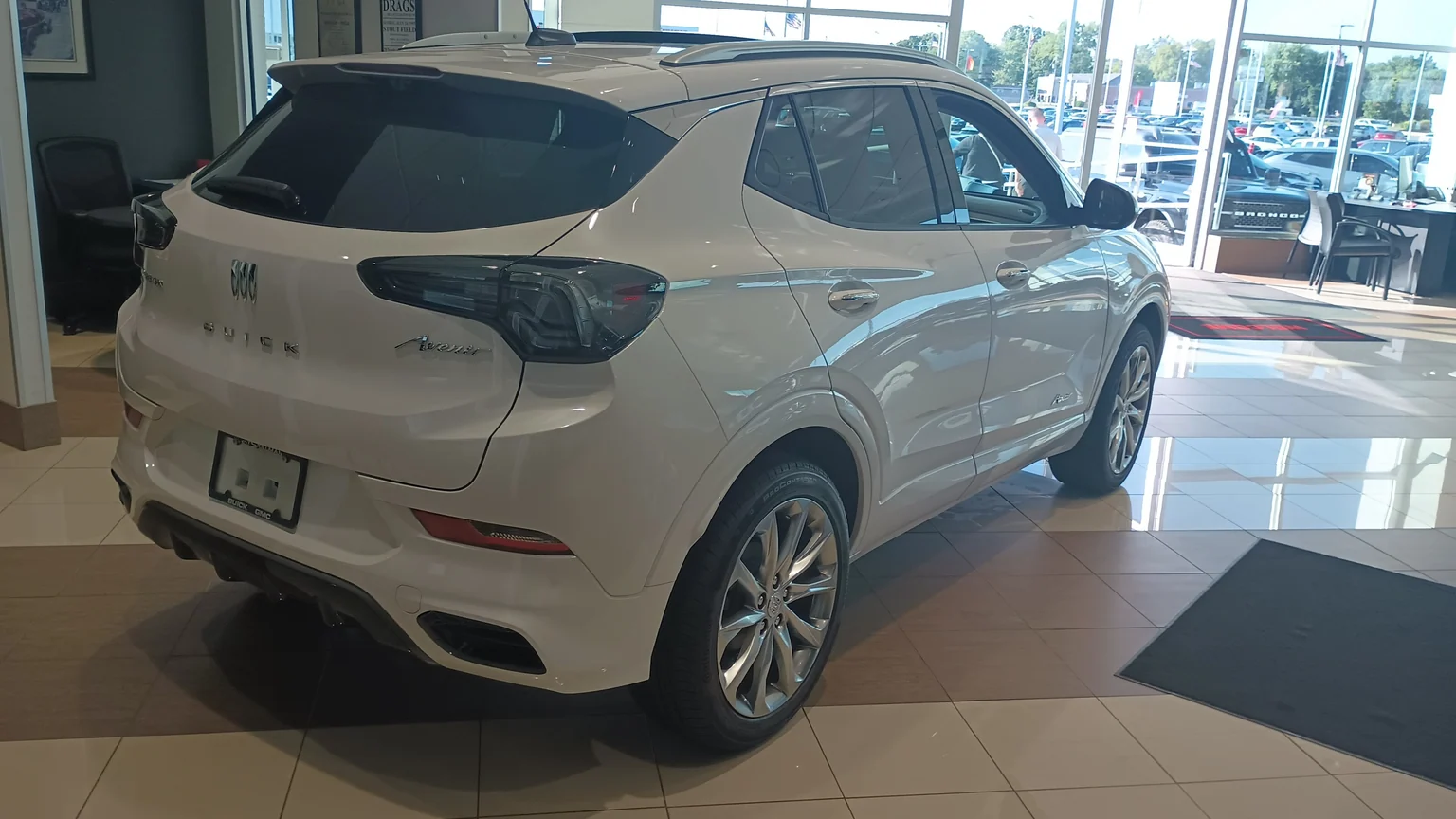
Rear-camera, suspension and fuel-system safety campaigns
This week’s filings cover rearview-camera display problems across several Chrysler, Jeep, Ram, Buick and Chevrolet vehicles, rear spring installation concerns in certain Jeep SUVs, and fuel-tank securement concerns in F-
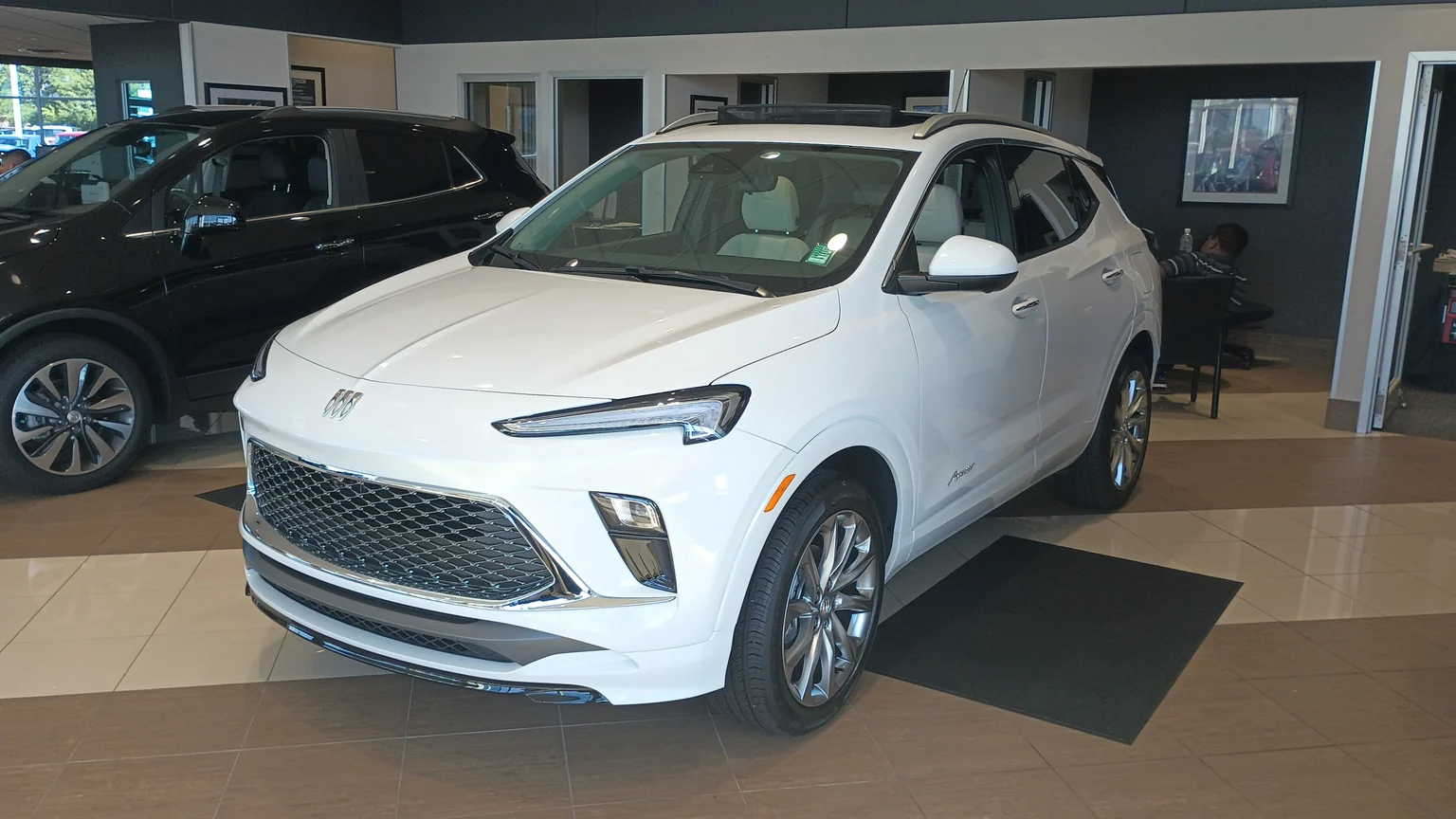
Weekly Vehicle Recall Briefing (September 19–25, 2026)
This week’s official notices cover rearview-camera display problems, an instrument-cluster display failure, and rear coil springs that may detach, with software updates, inspection or component replacement offered at no,

RecallWire Weekly Recall Report
A plain-language overview of newly listed safety recalls involving seat-belt anchorage, rearview-camera, display, and rear-suspension concerns.