Toyota Display Recalls: 7-Inch Camry vs. 12.3-Inch Screens
Toyota’s 2026 Camry recall and its earlier 12.3-inch display campaign involve different equipment and remedies. Here is how owners can distinguish the two.
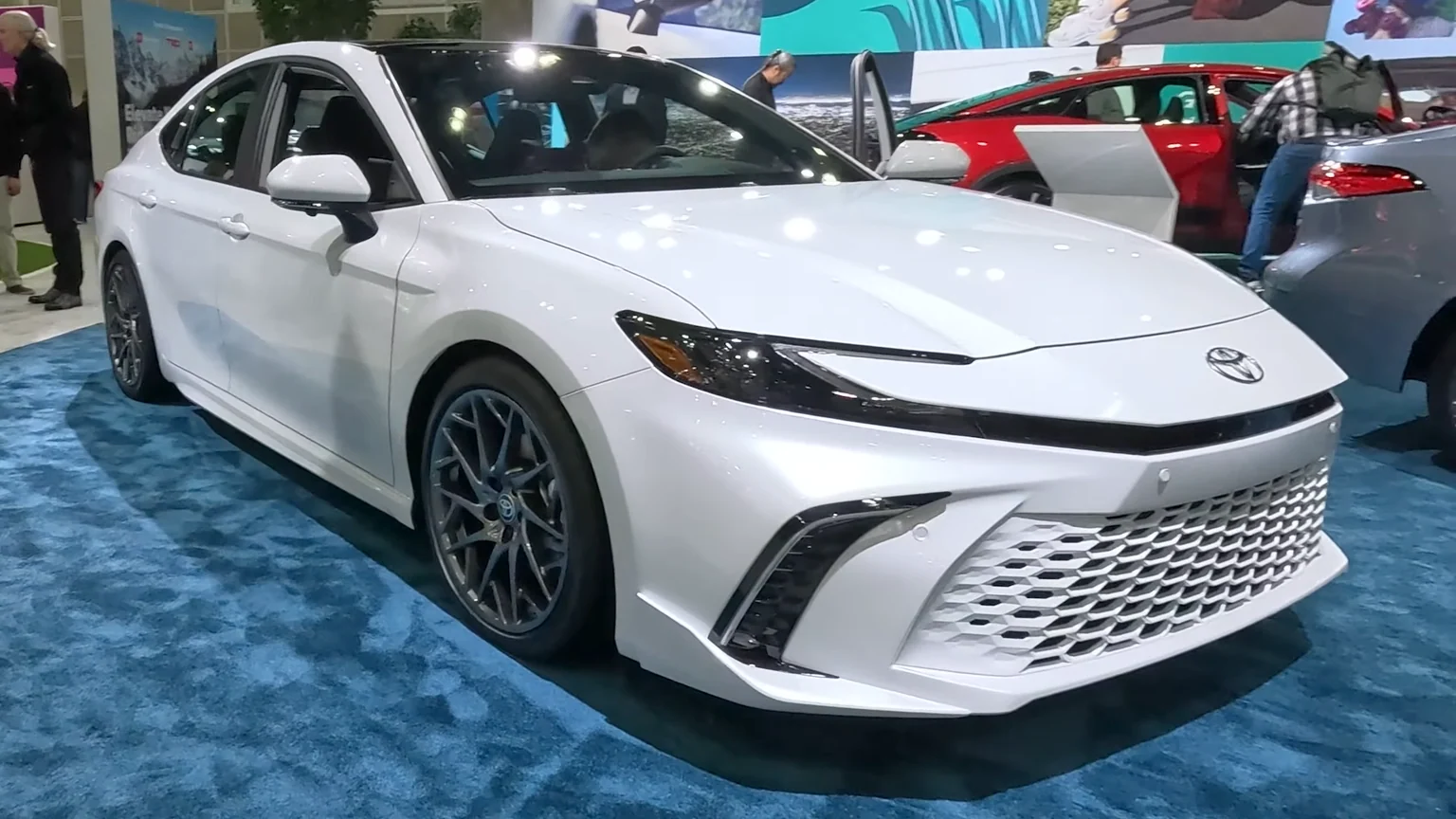
Toyota’s 2026 Camry display recall and its 2025 Toyota/Lexus display recall can sound like the same story: an instrument panel goes blank at startup, and a software update forms part of the remedy. The campaigns involve different equipment and affected populations. Owners should identify the campaign attached to their VIN before interpreting an old repair invoice or a headline about a blank dashboard.
The newer action, NHTSA campaign 26V511000, covers 508,354 U.S. 2025–2026 Camry Hybrids with specific software in a 7-inch combination meter. Toyota’s earlier September 2025 announcement concerned 12.3-inch instrument displays across several Toyota and Lexus models, including certain Camrys. Similar symptoms do not make their remedies or vehicle lists interchangeable.
Source update — September 16, 2026: This analysis now distinguishes the two display campaigns explicitly and uses the exact U.S. count from Toyota’s August 6, 2026 filing. The current Camry defect includes loss of the actual turn-signal and hazard-light functions, as well as dashboard information and certain warning buzzers.
The 2026 Camry recall concerns a 7-inch meter
Toyota’s Part 573 report for 26V511000 describes an error in the meter’s startup sequence. When the condition occurs, the display can remain blank, the turn-signal lamps and hazard-light function do not work, and certain warning buzzers stop operating. That is more than an inconvenient reboot of an entertainment screen.
The underlying campaign is covered in RecallWire’s Camry Hybrid recall report for 26V511000.
The affected U.S. vehicles were produced from August 15, 2024 through June 9, 2026. Those dates are part of the scope, but do not establish eligibility by themselves: the meter must contain the affected supplier software. Toyota’s own description cautions that not all vehicles within the production range were sold in the United States.
Dealers are to update the combination-meter software free of charge. Toyota’s filing lists a planned owner-notification window of September 21 through October 5, 2026. The filing identifies Toyota campaign references 26TB16 / 26TA16. An owner should give the dealer the VIN and campaign reference and confirm the appointment and remedy status before making a trip.
Our analysis of the 7-inch Camry meter’s safety functions explains why the lighting consequences matter to other road users as well as to the driver.
The earlier Toyota and Lexus action concerns 12.3-inch displays
In its September 11, 2025 announcement, Toyota described a separate campaign involving about 591,000 U.S. vehicles with 12.3-inch instrument-panel displays that could be blank at startup. The announcement included several Toyota and Lexus model lines, rather than the Camry alone.
The safety concern described in that announcement was reduced visibility of malfunction indicators. Toyota said dealers would inspect and update the meter programming or replace the combination meter with an improved unit. Those were the announcement’s instructions for that campaign; they should not be substituted for the 7-inch Camry recall’s dealer software update.
The earlier announcement is useful context, not a current eligibility list for every vehicle wearing one of those badges. Toyota notes that recall information can change after the filing date. The relevant question for an owner remains which campaign is open on the specific vehicle, and what instructions the manufacturer now gives for that campaign.
How to read a previous display-repair invoice
Start with the campaign number, not a service description such as “dashboard update.” An invoice may document a warranty repair, a software service action or one particular recall. It cannot, by itself, establish that every later recall involving a display has been completed.
Next, compare that record with Toyota’s current VIN lookup and ask the dealer to explain any open campaign. The shared Camry name does not establish that the same vehicle belongs to both display populations. Equally, the fact that a vehicle once received display work does not establish that a newly identified campaign has been addressed. Equipment and campaign identifiers resolve the ambiguity better than a general memory of a repair.
Keep the final repair order with the vehicle’s records. For a used-car buyer, that documentation is more useful than a seller’s broad assurance that a vehicle is “recall free.” A current VIN result and a dated record of the specified work answer different questions: what needs attention now and what was completed previously.
A blank display still deserves attention
An intermittent blank cluster is a reason to contact a Toyota dealer promptly. The absence of the condition on the next startup does not establish that a software defect has been corrected. Record what happened while safely parked and provide that information when seeking service advice.
A model-year search can help identify possible campaigns, but it cannot determine whether an individual Camry has an unrepaired recall. Use Toyota’s official recall lookup and confirm uncertain results with the dealer. RecallWire’s VIN lookup guide explains the difference between general campaign information and a vehicle-specific result.
The broader lesson is about precision in software-recall communication. Two campaigns can share a visible symptom while involving different hardware, software and repair instructions. For Toyota owners, identifying the meter and campaign correctly is the first step toward getting the right remedy; for manufacturers, explaining those differences helps prevent an old repair from becoming a reason to ignore a new notice.
Sources used for this analysis.
References checked September 16, 2026.
- Associated Press. Toyota recalls 655,000 Camry cars due to display error. Published August 11, 2026. Accessed August 17, 2026.Source ↗
- Toyota. Toyota Owners: Recalls. Accessed August 17, 2026.Source ↗
- National Highway Traffic Safety Administration. Toyota Camry 7-inch combination-meter recall 26V511: Part 573 report. Accessed September 16, 2026.Source ↗
- Toyota USA Newsroom. Toyota Recalls Certain Toyota and Lexus Vehicles. Published September 11, 2025. Accessed September 16, 2026.Source ↗
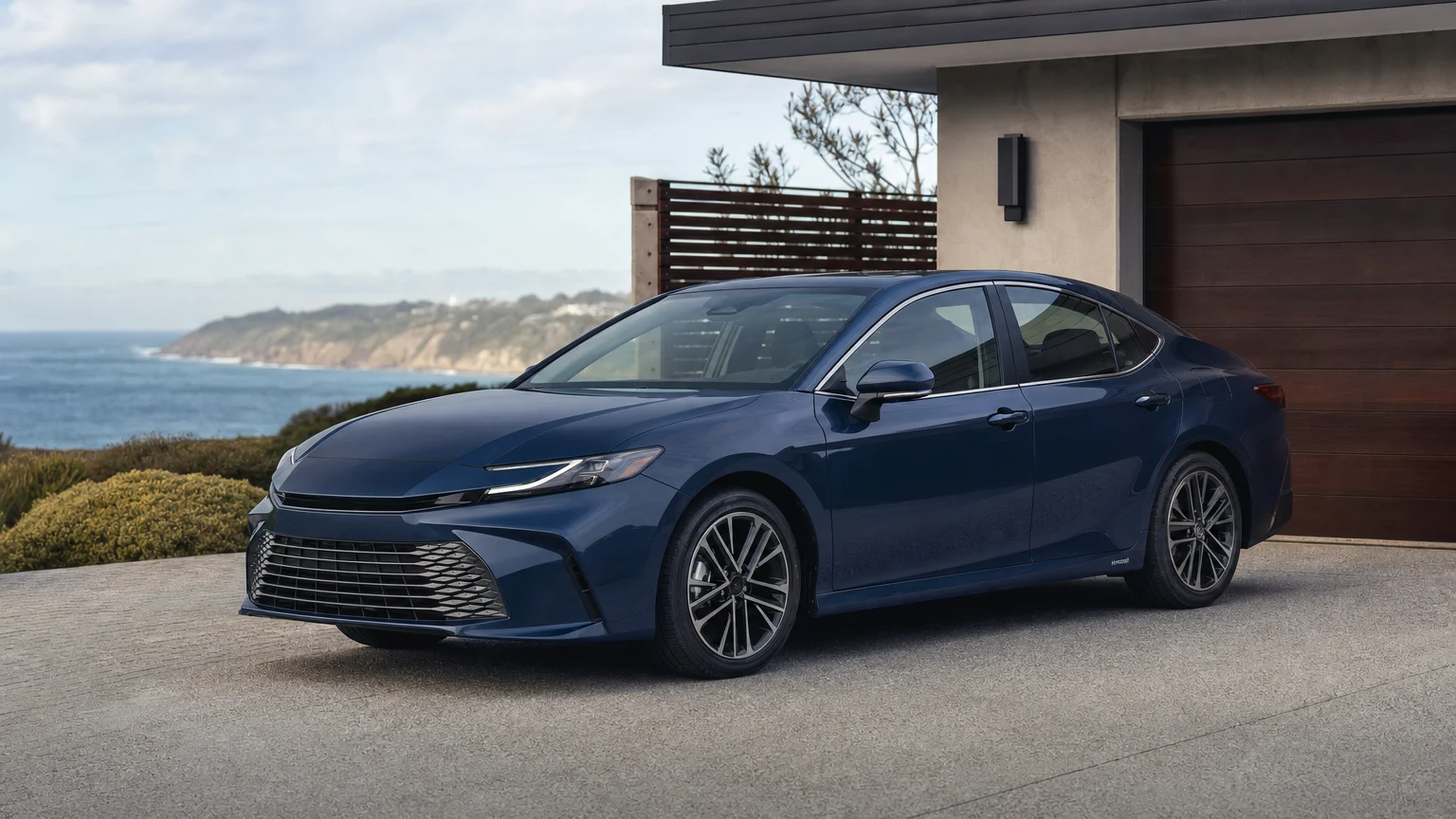
Toyota Camry 7-Inch Display Recall: Why Signals Can Fail
The 2025–2026 Camry recall covers 508,354 U.S. vehicles. A 7-inch-meter software fault can disable turn signals, hazard lights and warnings, not just blank the screen.
Weekly Vehicle Recall Briefing (September 19–25, 2026)
This week’s official notices cover rearview-camera display problems, an instrument-cluster display failure, and rear coil springs that may detach, with software updates, inspection or component replacement offered at no,

RecallWire Weekly Recall Report
A plain-language overview of newly listed safety recalls involving seat-belt anchorage, rearview-camera, display, and rear-suspension concerns.