Jeep’s Third Coil-Spring Recall Raises the Stakes
A new 328,381-vehicle Grand Cherokee recall replaces two earlier campaigns and requires another dealer visit even for SUVs repaired before.
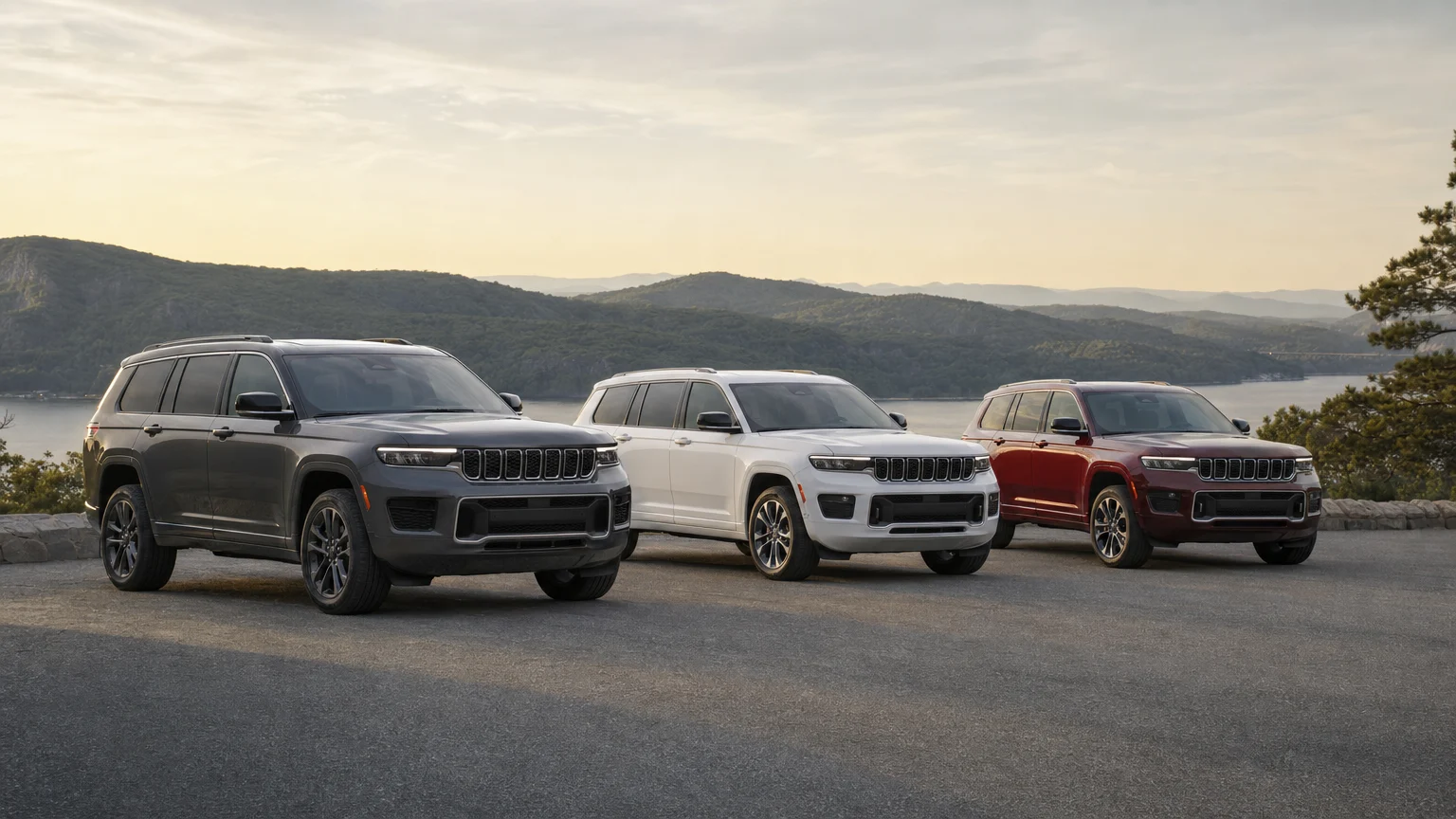
Jeep is recalling 328,381 Grand Cherokee SUVs for rear coil springs that may have been incorrectly installed and could detach while the vehicle is moving. On its own, that is a consequential suspension recall. What makes NHTSA campaign 26V562000 unusually important is its history: it replaces both Jeep’s 2023 coil-spring campaign and a narrower follow-up recall launched in early 2026.
The latest campaign covers certain 2021–2023 Grand Cherokee L models and certain 2022–2023 two-row Grand Cherokee and plug-in-hybrid Grand Cherokee 4xe models. Owners whose SUVs were inspected or repaired under either earlier campaign are not automatically finished; Jeep says vehicles repaired under those recalls need the new remedy. That turns a familiar recall notice into a test of whether the manufacturer’s more comprehensive repair can finally close a long-running safety issue.
What the new Jeep recall covers
The campaign concerns rear coil springs on affected SUVs with conventional coil-spring rear suspension. According to the recall description, a spring may be incorrectly installed and may come out of position or detach while driving. A detached spring is not merely a ride-quality problem: it can affect the vehicle’s suspension behavior and create a road hazard, which is why the stated consequence is a higher crash risk.
The affected population is substantial but specific:
- 2021–2023 Jeep Grand Cherokee L
- 2022–2023 Jeep Grand Cherokee
- 2022–2023 Jeep Grand Cherokee 4xe
The count, 328,381 vehicles, is a recall population rather than a count of individual owners. Some owners may have more than one affected vehicle, and a VIN check—not model year alone—determines inclusion.
Jeep’s campaign number is 89D; the federal campaign is 26V562000. VINs were scheduled to become searchable on September 9, 2026. An owner who finds no open campaign should still retain prior repair paperwork, particularly if the vehicle previously received coil-spring recall work, because this new action explicitly supersedes the prior campaigns.
Why a third campaign is different from a routine recall
The central issue is not simply that Jeep has recalled a part again. The newest action replaces NHTSA recalls 23V413 and 26V051, both of which addressed rear coil springs that could be out of position. The original 2023 recall addressed vehicles built with an improperly installed rear coil spring. The January 2026 campaign focused on some SUVs repaired under the first action, or left with an incomplete remedy status, where the spring could still come out of position.
That sequence matters because it changes the practical advice for owners. A completed recall record from 2023 or 2026 should not be treated as proof that no further action is needed. The new campaign covers a population close in scale to the original action and calls for a different service approach: dealers will replace the rear coil-spring lower isolators at no charge.
This is a more decisive remedy than relying only on the prior inspection-and-repair process. It does not establish that every prior repair failed, and the September 1 filing says FCA US was not aware of related accidents or injuries as of August 6, 2026. But the decision to recall vehicles already addressed under two earlier campaigns is strong evidence that the earlier containment strategy did not provide sufficient confidence across the affected fleet.
For resale shoppers, this is also a service-history issue. A used Grand Cherokee that shows the 2023 recall as completed may still require campaign 89D. Buyers should ask a dealer or seller for a current VIN-specific recall result and the final repair invoice rather than relying on a generic vehicle-history report.
What owners should do before the final repair is ready
The September 1 filing, reviewed September 16, plans interim owner letters for September 29 through October 7, 2026, and gives no final remedy-notification date. NHTSA’s current record says another letter will follow when the remedy is available. That timing means an owner may confirm that a vehicle is included before a dealer can complete the permanent repair.
RecallWire’s recall repair guide covers the practical steps to take while a final remedy is not yet available.
Owners should take four practical steps:
- Run the VIN through Jeep/Mopar’s recall tool or NHTSA’s recall lookup. The VIN is the controlling identifier; the model-year ranges are not enough.
- Save documentation from any prior 23V413 or 26V051 visit. It may help the service department understand the vehicle’s history, even though the new recall applies regardless of a previous repair.
- Call a Jeep dealer and ask specifically about campaign 89D. Confirm whether parts are available, whether the dealer is scheduling interim inspections, and whether a loaner policy applies if parts must be ordered.
- Pay attention to unusual rear-suspension behavior. A noise, altered ride height, or a vehicle that feels abnormal should prompt an inspection. Those symptoms are not a substitute for the recall repair, and the official recall description does not promise that drivers will receive advance warning.
There is no reported park-outside or do-not-drive instruction attached to this campaign. That distinction is important: owners should not invent restrictions beyond the official notice. But they also should not wait for a mailed letter if the VIN lookup confirms an open recall.
The broader lesson: recall completion is not always the end
This case illustrates an uncomfortable but useful reality of modern recall ownership. A recall completion record means the prescribed remedy was performed at that time; it does not guarantee that a later investigation will not uncover a problem with the repair scope, repair procedure, or affected-vehicle population.
For manufacturers, repeat recalls carry operational costs beyond the replacement parts. Dealers must contact owners who may believe they already resolved the issue, schedule another visit, and explain why a prior repair was not the final answer. That can erode confidence, especially on an SUV line sold in both family-oriented three-row and higher-priced plug-in-hybrid forms.
For owners, the best response is neither panic nor complacency. Use the VIN, make the appointment when the remedy becomes available, and keep the service record. In this case, the latest recall is specifically designed to reach vehicles that may already have been through the system once—or twice.
A new repair, not a repeat notice to ignore
Campaign 26V562000 is consequential because it asks Jeep Grand Cherokee owners to revisit a known rear-suspension concern after two earlier recall efforts. The remedy is free, but it may not be immediately available; interim notices are expected from September 29, 2026. Owners of covered 2021–2023 Grand Cherokee Ls and 2022–2023 Grand Cherokee and Grand Cherokee 4xe models should check their VIN now, retain prior recall records, and arrange the campaign 89D repair once their dealer can perform it. For used-car buyers, a current VIN result matters more than an old “recall completed” entry.
The Grand Cherokee 26V562000 campaign report contains the affected-year and remedy summary.
Sources used for this analysis.
References checked September 16, 2026.
- Cars.com. More Than 328,000 Jeep Grand Cherokees Recalled for Rear Coil Springs. Published September 8, 2026. Accessed September 9, 2026.Source ↗
- Car and Driver. Jeep Recalls 328,381 Grand Cherokees over Detaching Coil Springs. Published September 8, 2026. Accessed September 9, 2026.Source ↗
- Kelley Blue Book. Jeep Grand Cherokee SUVs Recalled Over Rear Suspension Problem. Published September 8, 2026. Accessed September 9, 2026.Source ↗
- National Highway Traffic Safety Administration. Part 573 Safety Recall Report — 26V051. Published February 5, 2026. Accessed September 9, 2026.Source ↗
- National Highway Traffic Safety Administration. Part 573 Safety Recall Report — 23V-413. Accessed September 9, 2026.Source ↗
- National Highway Traffic Safety Administration. Jeep Grand Cherokee coil-spring recall 26V562: Part 573 report. Accessed September 16, 2026.Source ↗
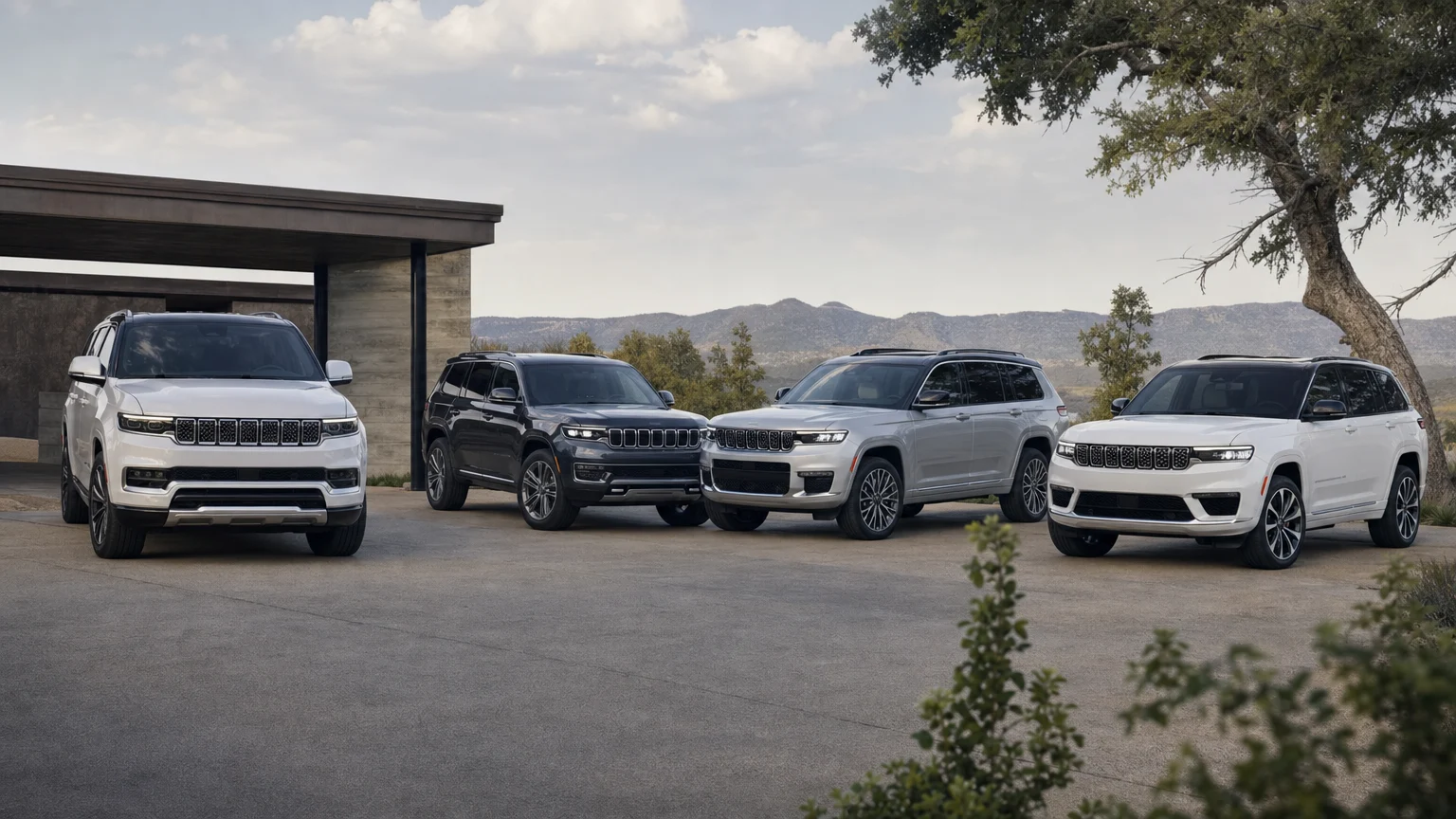
Jeep’s 201,976-Vehicle TPMS Recall Is a Software Test
A newly reported Jeep recall covers nearly 202,000 SUVs whose tire-pressure warning may not alert drivers. The defect is software-based, but the owner response should be practical rather than casual.

RecallWire Weekly Recall Report
A plain-language overview of newly listed safety recalls involving seat-belt anchorage, rearview-camera, display, and rear-suspension concerns.
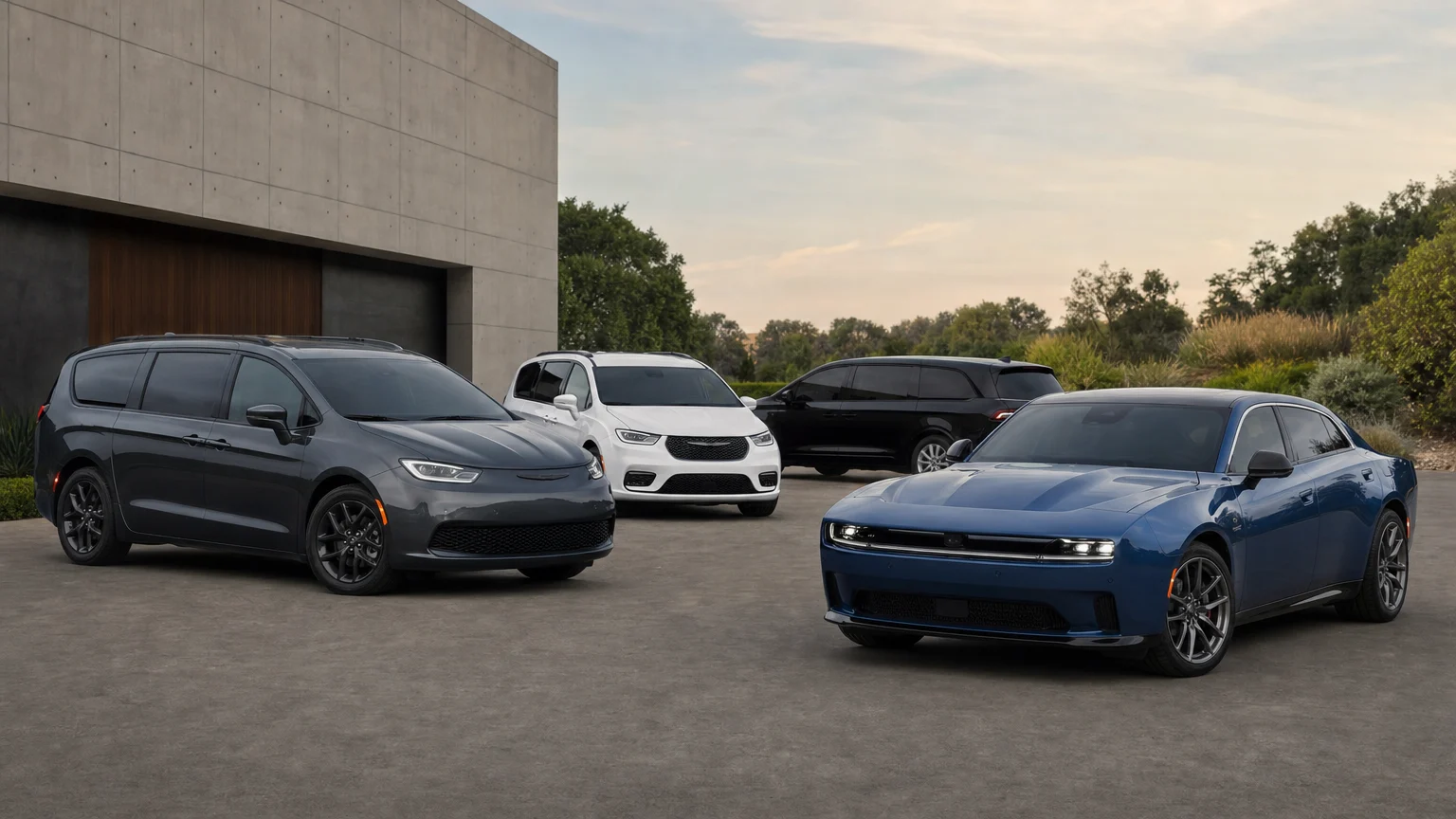
Vehicle Recall Briefing: September 11, 2026
September 11, 2026 recall briefing covering Chrysler, Dodge, Jeep and other vehicles, with affected models, repair plans and dated owner-notification updates.