Ford F-150 Fuel-Tank Recall Puts Straps in Focus
Ford has recalled 223,472 F-150 pickups after finding that an improperly secured fuel tank could leak or detach. Here is what the campaign means for affected 2023–2027 trucks and why the repair deserves prompt attention.
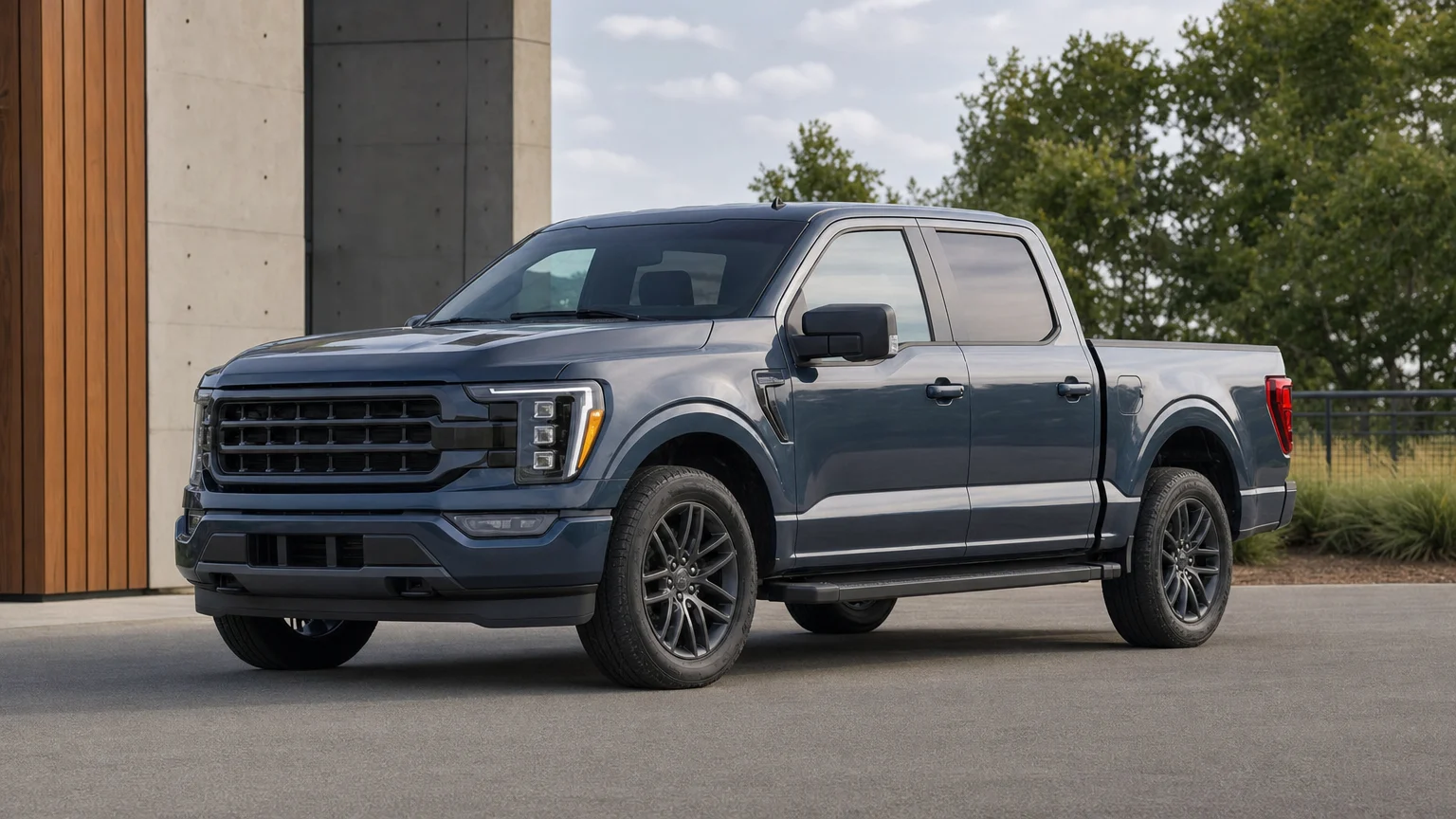
Ford has issued a safety recall covering 223,472 model-year 2023–2027 F-150 pickups because the fuel tank may not be secured correctly. In the worst case described in the recall, the tank can leak fuel or detach while the truck is being driven. That creates three separate safety concerns: a fuel leak can elevate fire risk, a loss of fuel can stall the engine, and a detached tank can become a road hazard for the F-150 driver and surrounding traffic.
The campaign, NHTSA number 26V578000 and Ford number 26S69, is a reminder that an apparently simple retention part can have outsized importance in a full-size pickup. This is not a fuel-pump or software campaign with symptoms that may appear intermittently. The stated issue is physical security of the tank itself, and the prescribed repair is an inspection followed by replacement of fuel-tank straps when necessary.
Ford says owner-notification letters are expected to be mailed September 21, 2026. The filing scheduled VIN lookup availability for September 14, 2026; that planned date does not independently confirm the result for a particular VIN. Owners should use the VIN—not model year or trim alone—to establish whether their individual truck is included.
Source detail checked September 16, 2026: Ford’s September 9 filing limits the population to affected production-period trucks that were unsold or had less than three months in service as of August 27, 2026. This is an important limit on the broad 2023–2027 model-year headline. Ford planned remedy-owner letters for September 21–28, 2026.
What Ford says is wrong with the F-150
The recall covers certain F-150 trucks from five model years, 2023 through 2027. Ford’s filing says the fuel tank may be improperly secured, allowing it to leak fuel or detach from the vehicle while driving. The affected population of 223,472 trucks is substantial, but it does not mean every F-150 from those years is included. Recalls are tied to specific VINs and production configurations.
The safety logic is direct. A loose or detached tank is not merely a durability concern: it can interfere with normal vehicle operation and leave debris in the roadway. If a fuel leak occurs, the concern expands to a potential ignition source. And if the fuel supply is interrupted, an engine stall can reduce the driver’s ability to maintain speed or move the pickup out of traffic.
Ford has not issued a “park outside” or “do not drive” instruction with this campaign. That distinction matters, but it should not be read as a reason to defer the repair indefinitely. It means the manufacturer’s current owner guidance is to arrange the standard recall remedy rather than immediately remove every affected truck from service.
Why a strap inspection is more consequential than it sounds
Fuel-tank straps are load-bearing retention hardware. A pickup’s tank must remain controlled through vibration, road impacts, cargo-related ride motions and the varying weight of a partially or fully filled tank. The risk described by Ford is therefore broader than a visible drip at a fuel station: the relevant question is whether the tank is properly held in place under normal driving conditions.
Ford’s filing identifies no guaranteed advance warning. Owners should not wait for symptoms before checking the VIN or arranging the remedy. General signs of a fuel or vehicle problem still deserve immediate attention while awaiting an appointment. A gasoline odor, liquid fuel beneath the truck, an unusual scraping or dragging sound, a new warning light, or an unexpected loss of power should not be treated as proof of this specific defect—but each warrants stopping in a safe location and seeking service advice promptly. Do not inspect a suspected fuel leak with an open flame, and do not continue driving a vehicle that appears to be leaking fuel.
The campaign also illustrates why recall descriptions should be read for both the defect and the consequence. “Fuel tank straps” may sound narrow, but the possible outcomes in this case span fire, loss of propulsion and a road hazard. Those outcomes, rather than the modest-looking part name, are what make a prompt inspection worthwhile.
What the repair process should look like
Ford’s remedy is for dealers to inspect the fuel tank straps and replace them as necessary at no charge. As with other safety recalls, the precise work performed may depend on what the dealer finds on a particular truck. Owners should schedule with a Ford or Lincoln dealer after confirming the campaign by VIN, and should ask whether parts are available when making the appointment.
The mailed letter expected September 21 should provide campaign details, but waiting for paper mail is unnecessary if the VIN lookup already shows an open recall. NHTSA explains that manufacturers must provide a free remedy for a safety recall, while the agency oversees recall communications and completion. A VIN search is also the best way to distinguish an affected truck from another F-150 of the same year.
Owners who previously paid for a repair that may be related to the recalled condition should retain invoices and ask Ford about reimbursement eligibility. They should not assume reimbursement is automatic or that any fuel-system work qualifies; the documentation and the relationship of the repair to campaign 26S69 will matter.
The larger lesson for F-150 owners and used-truck buyers
This recall arrives on one of the country’s most common work and family vehicles, where a broad range of use can make timely maintenance harder to schedule. Fleet managers, contractors and owners who tow or travel long distances may be especially tempted to postpone a dealer visit. Yet those are also the owners for whom an unplanned stall, fuel leak or roadside hazard can be most disruptive.
RecallWire’s common Ford issues guide provides a broader checklist for owners and used-vehicle shoppers.
Used-truck shoppers should treat the recall as a VIN-level due-diligence item, not as a reason to dismiss every 2023–2027 F-150. A completed repair documented in the vehicle’s service history is more useful than a generic assurance that a truck is “recall free.” Conversely, a dealer listing or vehicle-history report may lag the manufacturer’s current status, so checking the VIN directly remains essential.
The best reading of this campaign is neither alarmist nor casual: Ford has identified a safety-related condition, specified a no-cost dealer remedy, and assigned a large enough population that owners should verify their trucks now. The repair is fundamentally preventative. Completing it before a fuel leak, stall or retention failure develops is the point of the recall system.
Confirm the VIN and book the repair
For owners of a 2023–2027 Ford F-150, the immediate task is simple: check the VIN for NHTSA campaign 26V578000 or Ford campaign 26S69, then arrange the dealer inspection if the truck is included. The recall does not apply to every pickup in those model years, and Ford has not told owners to stop driving. But because the reported condition can involve a fuel leak, an engine stall or a detached tank, an open recall should be handled as a priority service item rather than saved for the next routine oil change.
Read the F-150 fuel-tank recall report for 26V578000 for the affected years and no-cost inspection remedy.
Sources used for this analysis.
References checked September 16, 2026.
- Autoblog. Ford F-150 Recalled Over Fuel Tank, Axle, and Suspension Defects. Published September 13, 2026. Accessed September 14, 2026.Source ↗
- National Highway Traffic Safety Administration. Resources Related to Investigations and Recalls. Accessed September 14, 2026.Source ↗
- National Highway Traffic Safety Administration. Ford F-150 fuel-tank recall 26V578: Part 573 report. Accessed September 16, 2026.Source ↗
2023–2027 Ford F-150 recall: fuel tank may leak or detach
Ford recalls 223,472 F-150s for fuel-tank straps that may not secure the tank. A free inspection and possible strap replacement address fire and crash risks.
Ford F-150 and F-250 Recall: Rearview Camera Image Obstruction
Ford recalls certain F-150 and F-250 trucks with 8-inch SYNC screens because a menu may cover the rearview camera image. See the software remedy.

Vehicle Recall Briefing: August 14, 2026
August 14, 2026 recall briefing covering Ford, Lincoln, Ram and other vehicles, with affected models, repair plans and dated owner-notification updates.