Rivian’s 98,828-Vehicle Camera Recall Is an OTA Test
Rivian’s rear-camera software recall reaches R1T, R1S and R2 vehicles. A rapid over-the-air fix is encouraging, but owners still need to verify that their truck or SUV actually received it.
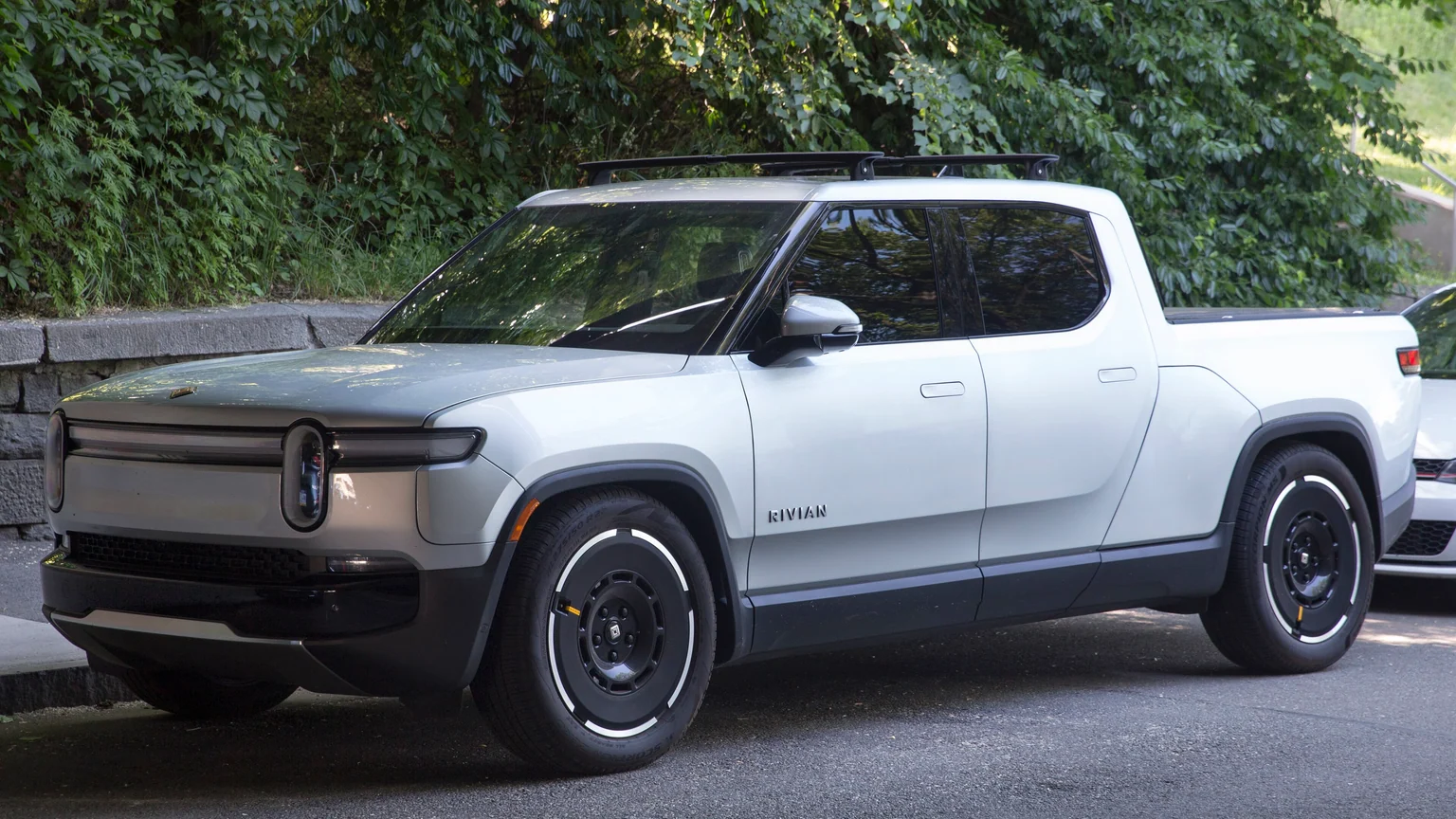
Rivian is recalling 98,828 U.S. vehicles because a safety notification can obstruct the rearview-camera image when the vehicle is shifted into Reverse. The campaign, NHTSA 26V597000, covers certain 2022–2026 R1T pickups, 2022–2027 R1S SUVs and 2027 R2 vehicles. The repair is a free over-the-air software update, making this a relatively quick recall to correct—but only if the update has actually installed on the vehicle.
The defect is not a failed camera or a broken display. It is a software-layout problem: under specified conditions, a prompt related to stability control can overlap the rear camera view. That distinction matters. Modern vehicles increasingly rely on central screens to present federally required safety information, so a software element that competes with the camera image can turn a seemingly small interface decision into a compliance recall.
A camera recall caused by what appears on the screen
NHTSA’s recall description says the rearview-camera image may be obstructed by a notification while the vehicle is in Reverse. That is a noncompliance with Federal Motor Vehicle Safety Standard No. 111, the rear-visibility rule. The safety consequence is straightforward: an obscured image can reduce a driver’s view behind the vehicle and increase crash risk.
Rivian told Reuters that the overlap can occur, in rare instances, when stability control is turned off and the vehicle is shifted into Reverse; a prompt asking the driver to re-enable the system may cover part of the image until the vehicle begins moving. That narrow trigger should not be read as making the campaign unimportant. Rear-camera rules exist because drivers need a usable rearward view at the moment they begin backing, not after the vehicle has already moved.
This is also a useful reminder that a camera can be functioning mechanically while the vehicle still fails a safety requirement. In screen-centered vehicles, the presentation and priority of information are part of the safety system. A camera image that is technically live but not fully visible does not give the driver the benefit the regulation intends.
For Rivian owners, the practical point is to treat this as a real recall despite the absence of a hardware repair. Until the applicable software update is confirmed, drivers should use mirrors, look directly behind the vehicle where possible, and take extra care around pedestrians, children and tight parking areas.
OTA makes the remedy fast—but does not make verification optional
Rivian has released an over-the-air update as the remedy. The company said more than 95% of affected vehicles had already received the fix and that vehicles built after August 10 included the corrected software. Those are company-reported deployment figures, not a substitute for an individual owner confirming the status of a particular vehicle.
That is the central advantage and limitation of an OTA safety recall. Software can reach a large fleet far faster than a conventional dealer campaign, without owners arranging transportation or waiting for parts. But a recall is not complete merely because an update has been made available. The vehicle must download it, install it successfully and be correctly recorded as remedied.
Owners should check their Rivian’s installed software version and any recall notice in the vehicle or Rivian app, then confirm recall status using the VIN. An owner who has postponed software updates, has limited connectivity or sees an unsuccessful-installation message should contact Rivian rather than assuming the vehicle is covered by the company’s broad rollout claim.
The campaign also exposes a difference between a feature update and a safety remedy. Drivers may reasonably defer a new entertainment feature or visual preference. A recall update should be handled as safety maintenance, because it corrects a condition identified as noncompliant with a federal vehicle-safety standard.
Related RecallWire coverage: how a large rearview-camera recall tests OTA completion; the limits of an OTA safety fix
Why the R2 inclusion makes this bigger than a legacy-fleet fix
The inclusion of 2027 R2 vehicles gives the recall added significance. Rivian’s corrective software was reportedly incorporated into vehicles produced after August 10, but the campaign still includes an R2 population. In effect, the company is managing the same screen-behavior requirement across its established R1 fleet and a newer vehicle line.
That is an important systems test for a company whose products depend heavily on software-defined controls and displays. A shared software issue can be fixed at scale when the architecture supports remote updates. Conversely, a shared design choice can also reach several models quickly. The benefit and the exposure are two sides of the same connected-vehicle strategy.
The recall should not be taken as evidence that all Rivian camera systems are unreliable. The reported condition is specific: a notification can cover the image in Reverse under particular circumstances. But it does show why interface design is no longer a cosmetic matter. Automakers must ensure that alerts, driver-assistance prompts and required visual information coexist without one obscuring another at a safety-critical moment.
What affected Rivian owners should do now
First, verify whether the specific vehicle is included. The campaign applies to certain—not necessarily every—vehicle within the listed model years. VIN lookup remains the authoritative way to determine recall status.
Second, accept and complete the OTA update when it is offered. If the vehicle already shows a later software version, owners should still confirm that the recall is marked complete rather than relying only on the version number. Rivian says the remedy is free, and NHTSA materials list Rivian recall number FSAM-1866.
Third, pay attention to the camera display after updates. If a warning appears to cover the rearview image in Reverse, document the behavior when safe to do so and contact Rivian service. A software recall is intended to eliminate the condition, not simply reduce its frequency.
Finally, do not wait for the November 9 owner-letter date to investigate. Rivian has said the OTA remedy is already available, and a completed update is more valuable than a mailed notice sitting unopened.
The recall’s real measure is confirmed completion
Rivian’s 98,828-vehicle rear-camera campaign is a strong example of both the promise and the responsibility of software-defined vehicles. The remedy can be deployed rapidly and without a service-center visit, which is materially better for owners than a parts-dependent recall. Yet speed is not the same as completion. Rivian has to ensure that the update reaches each affected R1T, R1S and R2, while owners should verify the remedy by VIN and installed software status. When a safety-critical display is involved, a clear rear-camera image must take priority over every nonessential prompt.
Sources used for this analysis.
- National Highway Traffic Safety Administration. Search Safety Issues. Accessed October 2, 2026.Source ↗
- Cars.com. Rivian R1S Recalls. Accessed October 2, 2026.Source ↗
- Reuters via Fidelity. Rivian recalls about 100,700 vehicles over rearview camera display issue. Published September 23, 2026. Accessed October 2, 2026.Source ↗
- Transport Canada. Transport Canada Recall - 2026443 - RIVIAN. Published September 17, 2026. Accessed October 2, 2026.Source ↗
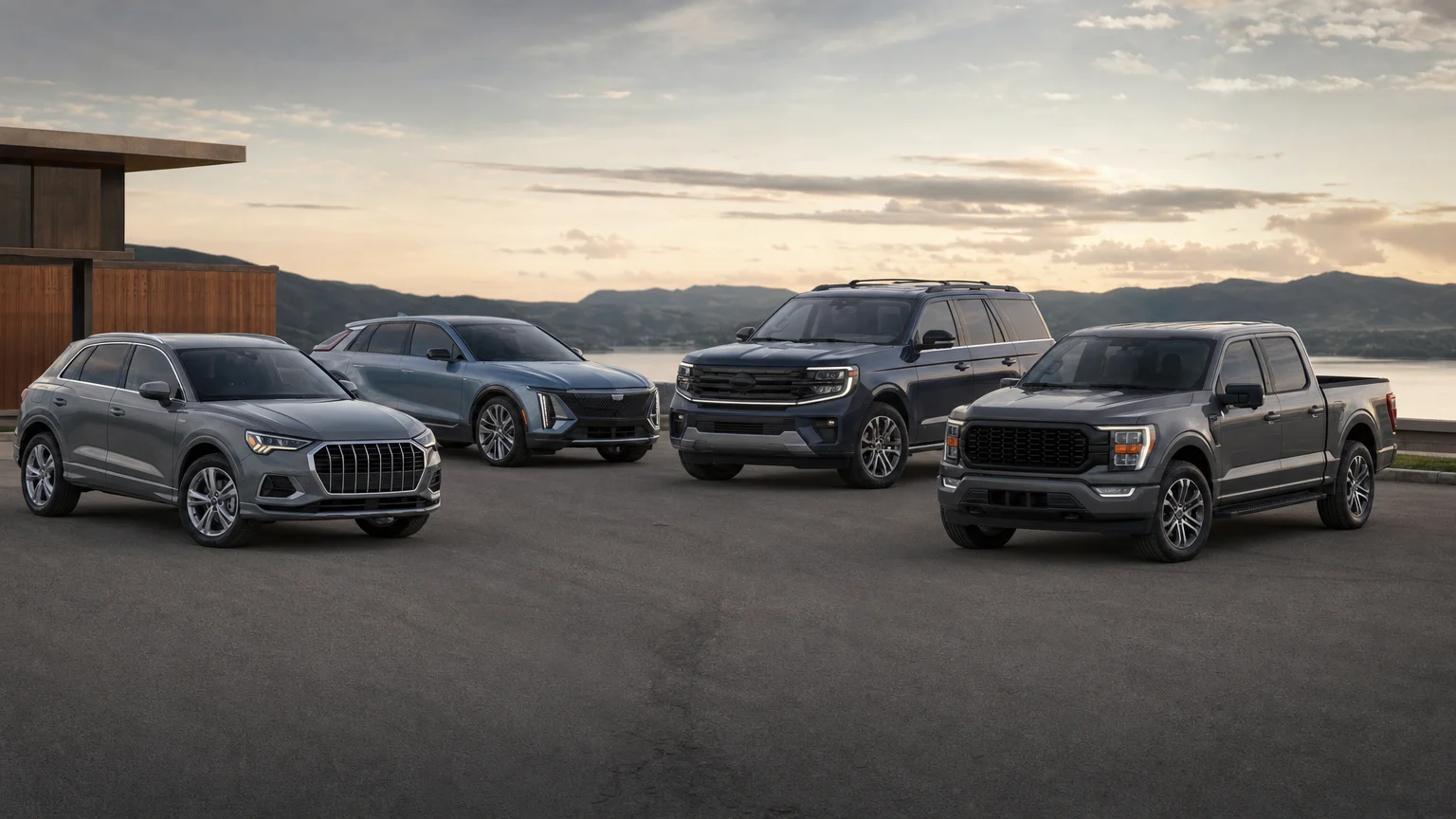
Vehicle safety campaigns involving steering, fuel tanks and visibility
This edition covers Jeep SUVs, Ram 1500, Ford F-150 and Expedition trucks and SUVs, Audi Q3, Volkswagen Atlas and Tiguan, Rivian vehicles, and Cadillac OPTIQ models with concerns ranging from detached components and fuel
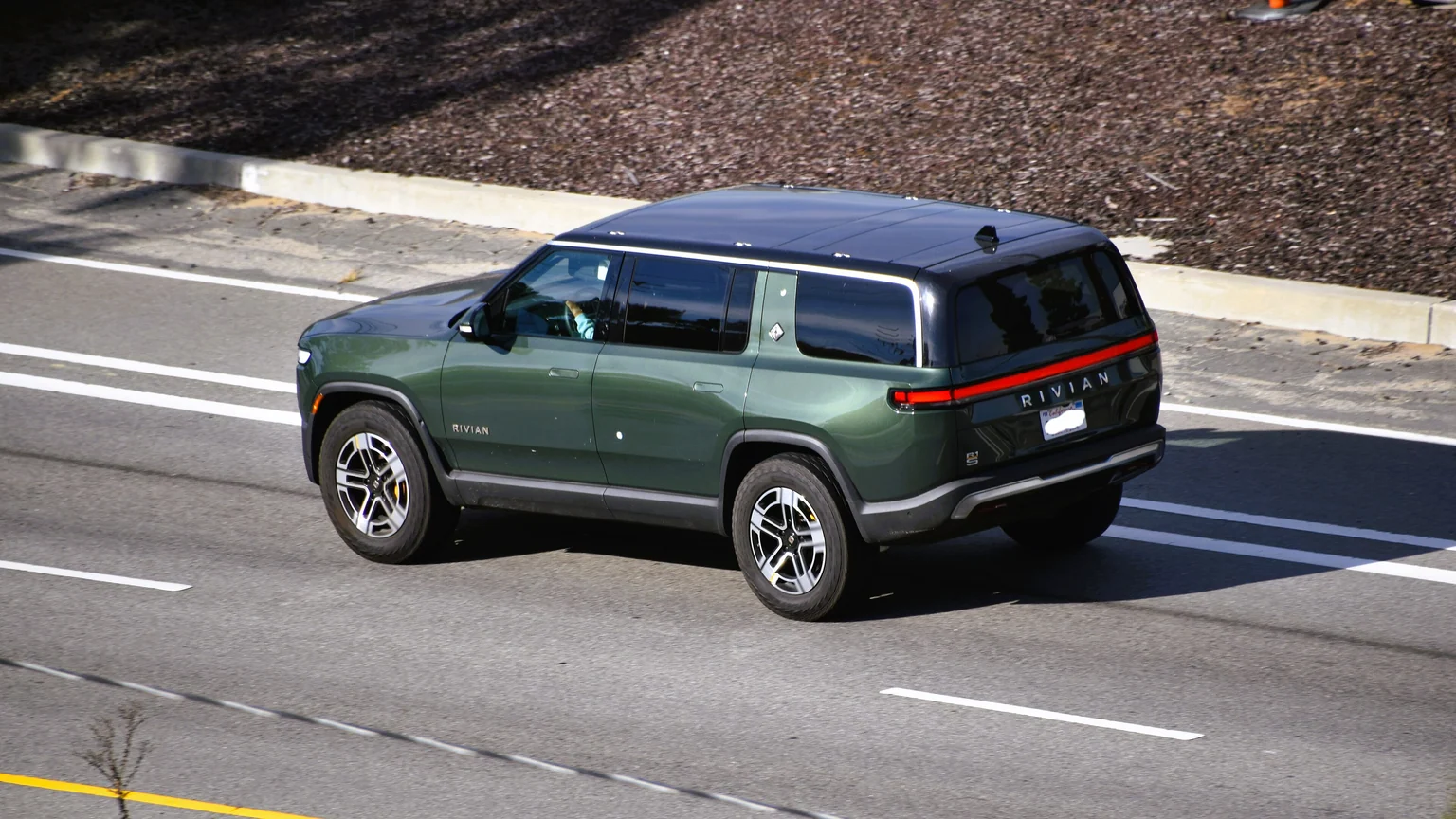
RIVIAN R1S: NHTSA recall 26V597000 explained
The official recall record describes a software issue that can obstruct the rearview camera image while the vehicle is in reverse.
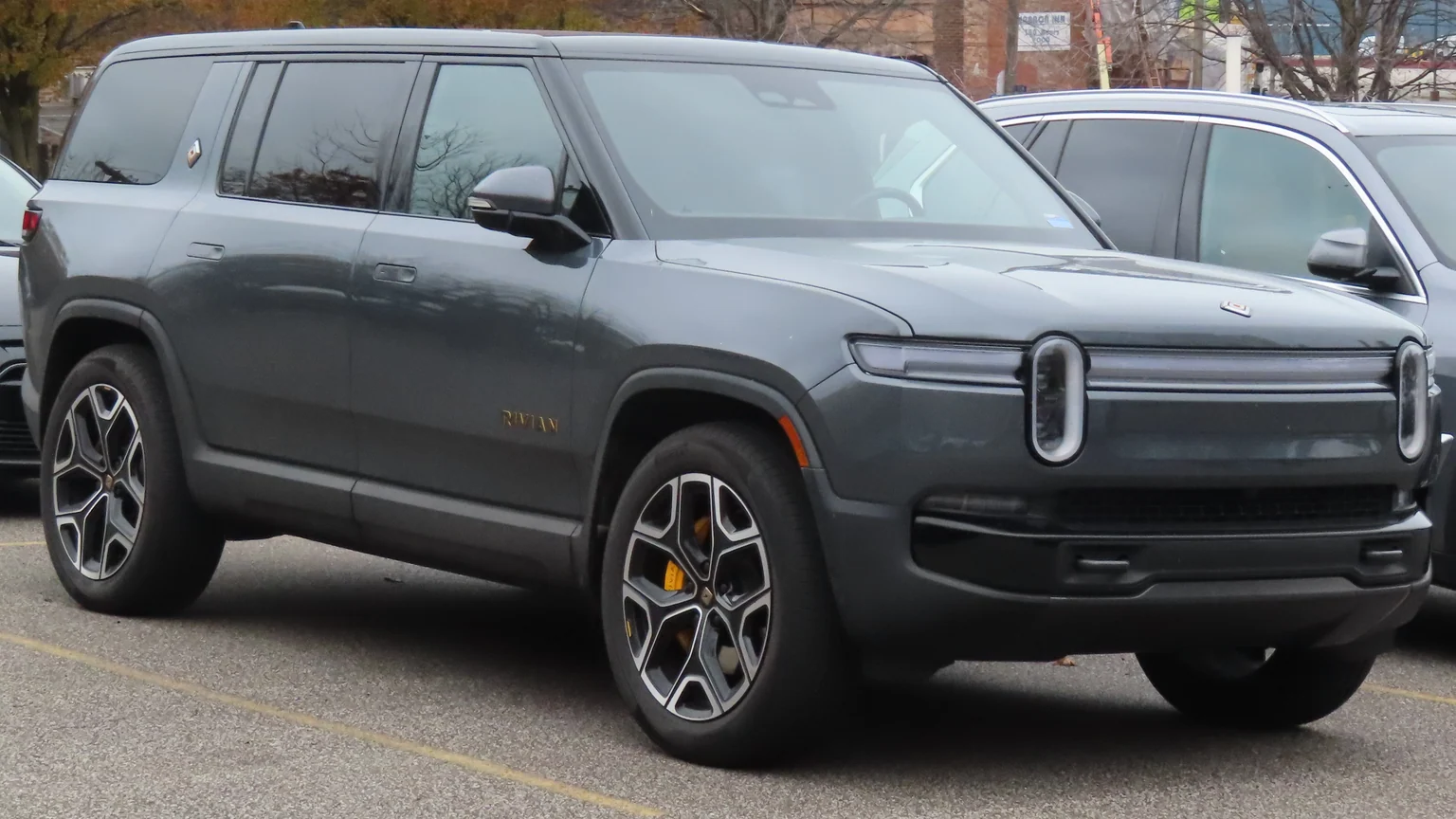
2025–2026 Rivian R1S and R1T Recall: Front Turn Signal Failure
Rivian recalls 3,829 R1S and R1T vehicles from 2025–2026 for front turn signals that may fail. The recall expands an earlier turn-signal campaign.