Toyota issues: How to check recalls and handle safety problems
Start with your vehicle’s symptoms and VIN. Here’s how to separate Toyota recalls from service bulletins, arrange repairs, and report a safety concern.
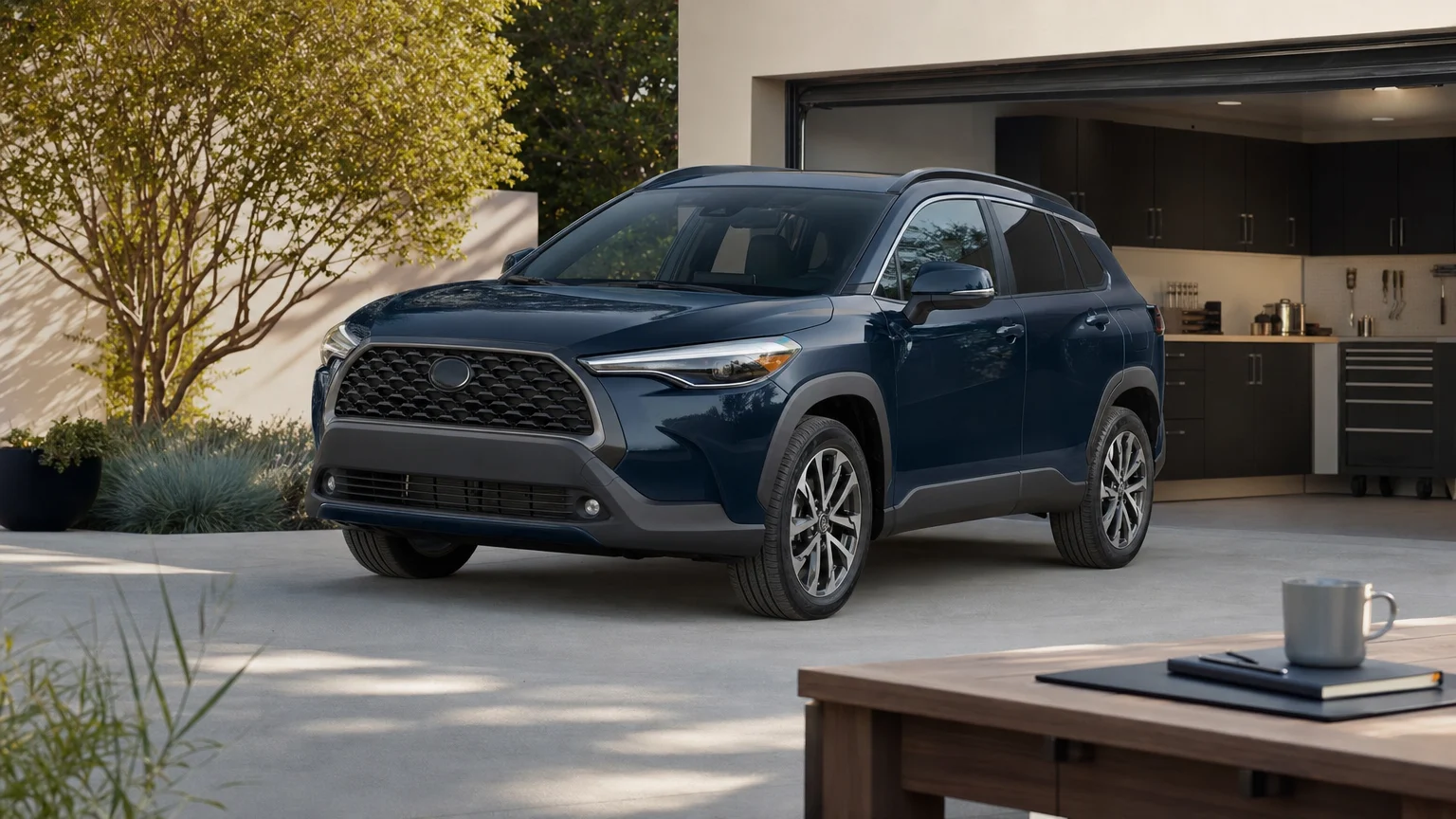
Searching for Toyota issues? Start with two questions: Is your vehicle showing a problem that needs immediate attention, and does its vehicle identification number, or VIN, have an open recall? Toyota’s official lookup checks open safety recalls and service campaigns; a model-name search alone cannot establish your vehicle’s recall status.
This guide focuses on safety problems and the steps to take next—not a ranking of every Toyota model. The aim is to help you move from a warning light, repair concern, or recall headline to a specific, documented action.
First, check whether you need to stop driving
Deal with an urgent warning before researching recalls. Toyota’s warning-light guide, for example, directs drivers to stop safely for a high coolant-temperature warning. Other lights have different meanings, so use the instructions for the exact warning in your vehicle’s owner’s manual rather than treating every dashboard symbol alike.
A recall can also carry a do-not-drive instruction. NHTSA’s Takata warning includes certain 2003–2004 Toyota Corollas, including Matrix, and certain 2004–2005 RAV4s with the relevant unrepaired recalls. These are specific affected vehicles—not every Toyota or every vehicle from those model years.
If your vehicle has an applicable do-not-drive warning, do not drive it to the dealership. Contact the dealer to arrange the next step. For its affected Takata vehicles, Toyota says dealers may provide options such as mobile repair, towing, or vehicle pickup without charge. Confirm the arrangement before booking it yourself.
Check your Toyota by VIN, not just model name
Enter your 17-character VIN in Toyota’s official Safety Recalls and Service Campaigns lookup. Toyota also accepts a license plate and issuing state. You can find the VIN near the lower driver-side windshield or on the vehicle’s registration. Check that the result identifies the vehicle you actually own.
Then check NHTSA’s official recall lookup. Its VIN results identify unrepaired safety recalls, but do not show completed recalls or manufacturer non-safety campaigns. Some newly announced recalls may not yet include all affected VINs, and recalls more than 15 years old may be omitted unless the manufacturer supplies broader coverage.
Save the results and the date you checked. For each open campaign, note the campaign identifier, stated risk, interim instructions, and remedy information. If an owner letter and a lookup disagree, ask Toyota to reconcile them using your VIN rather than assuming either document settles the question.
A result showing no unrepaired recalls is not a mechanical inspection or a complete vehicle history. That is an important practical limit of the lookup: it answers a recall-status question, not whether every system on the vehicle is working properly.
Related RecallWire resource: VIN recall lookup guide
Know whether you found a recall, campaign, or bulletin
A safety recall addresses a safety-related defect or a failure to meet a federal motor vehicle safety standard. Toyota says the specified recall inspection or repair is performed at no charge to the owner. That promise concerns the campaign’s prescribed work, not every unrelated repair the vehicle might need.
A Special Service Campaign is different. Toyota describes these as typically customer-satisfaction initiatives involving specific product or technical concerns. A Limited Service Campaign offers specified inspection or repair work during a defined period. Toyota says that work is free when the limited campaign has not expired, so check its deadline.
A technical service bulletin, usually shortened to TSB, gives dealerships technical information such as diagnostic procedures, parts changes, or repair instructions. Toyota explains that a TSB is not itself a recall and does not extend the vehicle warranty. Finding a matching bulletin therefore does not automatically establish free repair coverage.
An owner complaint is another category again: it reports a possible problem for review. It is not, by itself, an official defect finding. NHTSA makes complaints, investigations, and manufacturer communications available separately, which helps you distinguish an allegation from an investigated issue or announced campaign.
Why a Toyota headline may not describe your vehicle
Toyota’s May 20, 2026, recall filing for certain 2024 Tundra pickups illustrates the need for detail. It describes manufacturing debris that could contribute to engine bearing failure, with possible knocking, rough running, failure to start, or loss of motive power. The filing limits the affected population by engine configuration and production information.
RecallWire’s takeaway: a headline about Tundra engine trouble is a reason to check, not a diagnosis of every Tundra. Match the VIN to the campaign, and ask the dealer to assess any symptoms separately. Do not assume that a similar-sounding problem has the same cause.
Arrange the repair without mixing up coverage and availability
When you call a Toyota dealer, have your VIN, mileage, recall letter, and saved lookup result ready. Ask four separate questions: Is this VIN included? Is the remedy available for it? Are the required parts available at this location? What instructions apply while I wait? Write down the answers and the appointment details.
Also ask whether the visit is for an inspection, a final repair, or diagnosis of your separate complaint. If you need towing or temporary transportation, ask what assistance is offered and get any approval before spending money. Do not build your plans around an unconfirmed completion time or transportation arrangement.
Keep the campaign work separate from optional maintenance and unrelated repairs. Ask for a written estimate before authorizing additional work. If you previously paid to repair the recalled condition, Toyota offers a reimbursement-request process for consideration; submitting paperwork is not a guarantee that the request will be approved.
After the visit, keep the repair order and ask it to identify the campaign work performed. If the original symptom remains, request another inspection rather than treating the recall visit as proof that everything is resolved. Toyota specifically directs owners with concerns after campaign completion to contact a dealer for inspection.
No matching recall? Document and report the safety concern
Prepare a short incident record for the repair shop: date, mileage, approximate speed, warning messages, road conditions, and what changed in braking, steering, acceleration, or vehicle operation. Include existing repair orders and photos taken while safely parked. Describe what happened before guessing which part caused it.
You can also search NHTSA by model year, make, and model for manufacturer communications that may help frame the diagnostic discussion. A bulletin can be useful information to bring to the shop, but its applicability and repair coverage still need to be checked.
Report a suspected safety defect through NHTSA’s Report a Safety Problem process or call 888-327-4236. NHTSA says there is no fixed complaint count required to open an investigation; it reviews complaints alongside other evidence. Filing a report does not guarantee an investigation or recall.
For unresolved Toyota campaign questions, the company lists its Brand Engagement Center at 1-800-331-4331. Keep your dealer paperwork handy and ask for a case number so you can refer to the same concern during follow-up.
Use recall statistics as context, not a reliability verdict
RecallWire’s approach is to distinguish campaign totals from evidence about actual failures. Before comparing numbers, ask what each figure measures: vehicles potentially included, reported incidents, or completed repairs. Those are different questions, and an affected-population figure does not establish how many vehicles have experienced the defect.
There is a useful caution in Toyota’s May 20, 2026, Tundra filing. Its form displays an estimated defect percentage of 1%, but the accompanying explanation says the actual percentage is unknown and that an integer was required. Toyota explicitly says the entered value means unknown—not a measured 1% failure rate.
Use RecallWire’s recall statistics for broader context, then return to the specific campaign documents and VIN lookup before making a decision about your own vehicle.
Related RecallWire resource: RecallWire vehicle recall statistics
Turn a broad concern into a specific next step
Start with the immediate safety instructions, then check the VIN, identify the type of campaign or bulletin, and get the dealer’s next steps in writing. If a problem remains unexplained, keep a clear incident record and pursue diagnosis rather than waiting for a headline to match it. The goal is a documented repair plan—not simply a reassuring search result.
Sources used for this guide.
- Toyota. Look up Safety Recalls & Service Campaigns by VIN. Accessed September 15, 2026.Source ↗
- NHTSA. Check for Recalls: Vehicle, Car Seat, Tire, Equipment. Accessed September 15, 2026.Source ↗
- Toyota. Toyota Dashboard Symbols & Warning Lights Meaning. Accessed September 15, 2026.Source ↗
- NHTSA. Critical Do Not Drive Warning for Certain Vehicles with Takata Air Bags. Accessed September 15, 2026.Source ↗
- Toyota USA Newsroom. Toyota Issues DO NOT DRIVE Advisory for Certain 2003-2005 Models with Recalled Takata Airbags. Published January 25, 2024. Accessed September 15, 2026.Source ↗
- Toyota. Safety Recalls & Service Campaigns. Accessed September 15, 2026.Source ↗