Electric vs Hybrid vs Gas Cars: Which Fits Your Life?
Choose a gas, hybrid, plug-in hybrid, or electric car around your daily mileage, charging access, travel patterns, and realistic energy costs.
What to know first
- Charging access and your normal driving pattern matter before choosing a powertrain.
- Energy-cost examples use stated assumptions; they are not complete ownership-cost rankings.
- Compare the exact trim, charging requirements, warranty terms, and recall status.
An electric car is easiest to own when charging fits naturally into your parking routine. A conventional hybrid is a strong starting point when you want to reduce fuel use without arranging charging. A gasoline car can still make sense when its complete purchase and ownership costs fit your budget better. A plug-in hybrid adds another option, but its value depends on how regularly you will plug it in.
The electric vs hybrid vs gas cars decision starts with your ordinary week, not a best-case range figure. Work through where you park, how far you drive, the trips that are difficult to change, and the cost of the energy you will actually buy. Those details usually narrow the choice more effectively than a powertrain label.
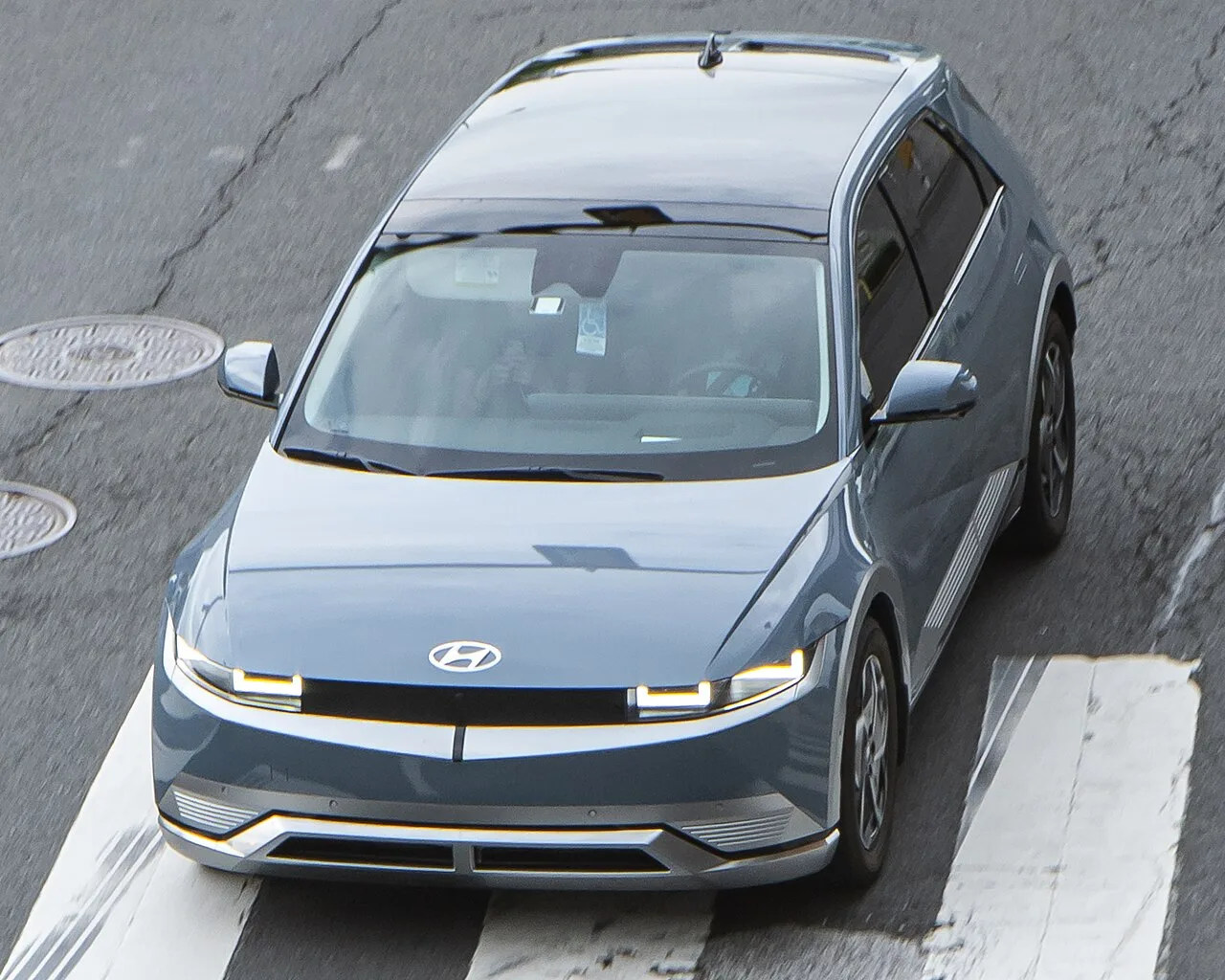
An IONIQ 5 illustrates a battery-electric vehicle. The cost examples below use hypothetical efficiency assumptions, not this photographed vehicle’s rating. Photo: OWS Photography; CC BY 4.0. Converted to WebP by RecallWire; original framing retained.

Begin with a one-week driving record
Record each day’s mileage, where the car spends the night, and any time it sits near a usable charger. Include school runs, evening activities, and weekend errands rather than measuring only the commute. Then list the longest trips you make several times a year.
This separates routine energy needs from exceptional travel. A household that drives modest distances most days but takes frequent remote trips has a different problem from one that spends hours on urban roads and rarely travels far.
Also decide how much flexibility you have. Can a charging stop coincide with a meal? Can you use another household vehicle for an unusual trip? Is your parking arrangement stable, or will a move change it soon?
For definitions, see RecallWire’s engine-types guide. The shopping distinction is brief: gasoline cars and regular hybrids refuel with gasoline; battery-electric cars need external charging; plug-in hybrids use charging and fuel. The Department of Energy’s hybrid and plug-in-hybrid explainers describe the different systems.
Treat charging access as an ownership feature
A charger is useful only when the vehicle can occupy the space when you need it. Home charging may be convenient for a driveway owner, while a renter’s assigned space may require permission, equipment installation, or a shared arrangement. Workplace charging can help, but ask whether availability is dependable and what happens when your schedule changes.
Investigate installation before ordering the car. The DOE home-charging guide describes charging equipment and electrical considerations. Obtain a site-specific estimate from an appropriate installer rather than assuming a nearby outlet provides the charging rate you want.
Then look at the daily energy requirement. As a planning example, driving 40 miles at an assumed wall-energy consumption of 30 kWh per 100 miles needs about 12 kWh. That calculation uses electricity purchased at the wall, so do not add another charging-loss allowance to it. It is an illustrative workload, not a specification for every EV.
If overnight charging cannot replenish your usual driving comfortably, determine which other charging sessions would be required. The goal is a routine you can repeat, including a late arrival or an unexpectedly busy day.
Evaluate public charging as a complete stop
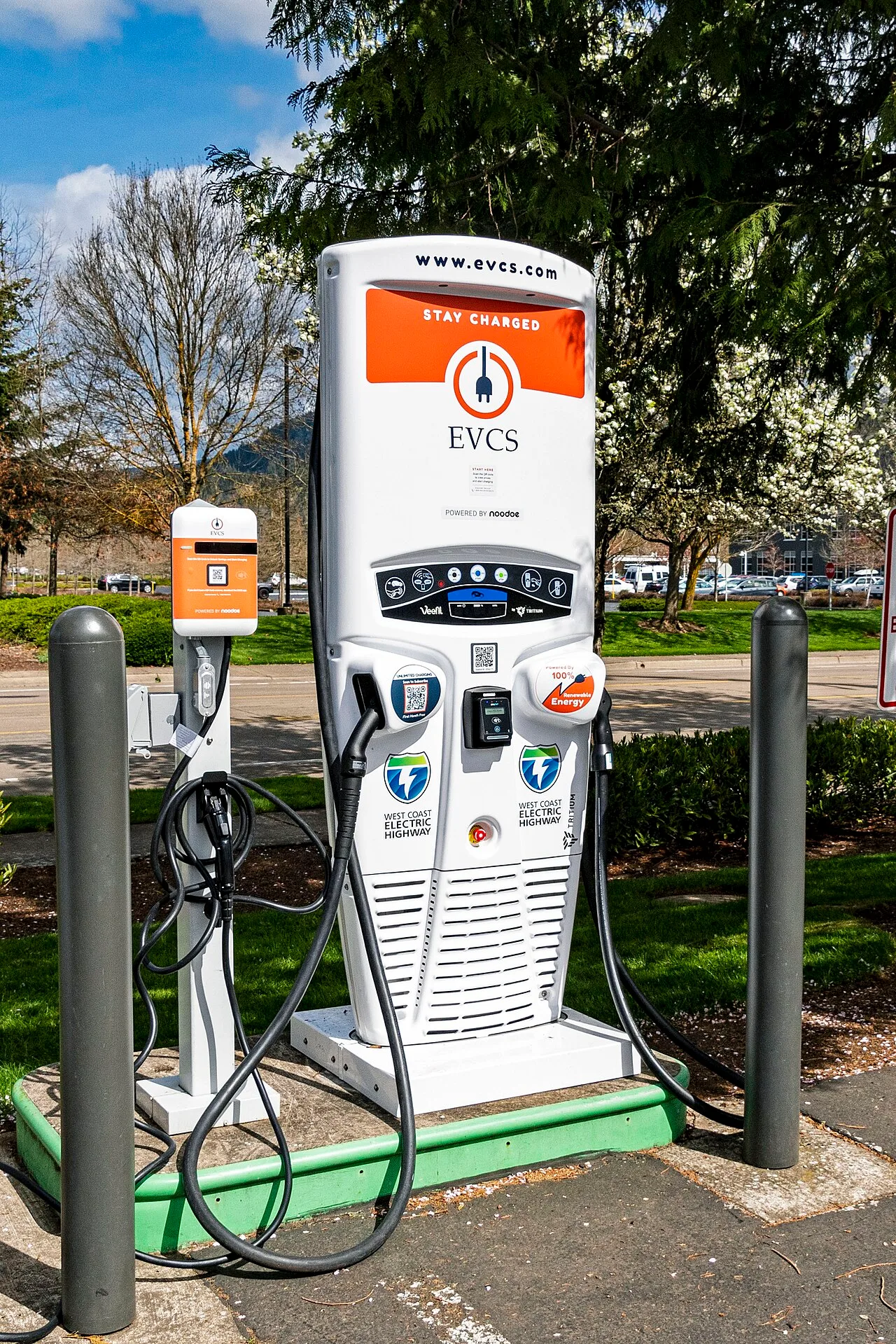
If you expect to rely on public charging, assess it before buying. Identify stations near your actual routes, verify vehicle compatibility, and check the price structure. The DOE public-charging overview explains the different charging settings and equipment.
A useful station has more than a high advertised power rating. It needs a compatible connection, a location you can reach, workable opening hours, and acceptable availability. Payment setup, idle fees, and the time spent detouring can affect the ownership experience even when the electricity itself is affordable.
Run a realistic trial by visiting the locations at the times you would normally charge. You do not need to own an EV to see whether an access road is awkward, a shopping-center charger is routinely occupied, or a stop lacks facilities your household needs.
Public charging can support an excellent EV routine when it is convenient and dependable. The decision becomes less attractive when every recharge must compete with work, childcare, or an inconvenient detour. Price and time should both enter the comparison.
Photo: Oregon Department of Transportation; CC BY 2.0. Converted to WebP by RecallWire; original framing retained.

Compare energy costs with transparent assumptions
The following scenario uses 12,000 miles a year, gasoline at $3.50 per gallon, and explicitly assumed efficiency. It does not represent particular vehicles or today’s national average prices.
| Illustrative configuration | Efficiency assumption | Energy-price assumption | Annual energy cost |
|---|---|---|---|
| Gasoline car | 30 mpg | $3.50/gallon | $1,400 |
| Conventional hybrid | 50 mpg | $3.50/gallon | $840 |
| EV charged at home | 30 kWh/100 miles at the wall | $0.16/kWh | $576 |
| Same EV using priced public charging | Same 30 kWh/100 miles | $0.45/kWh | $1,620 |
Gasoline formula: miles ÷ mpg × dollars per gallon. Electricity formula: miles × kWh per 100 miles ÷ 100 × dollars per kWh. The EPA’s label explanation helps distinguish the units used for different powertrains; the values in this table are editorial scenario assumptions.
Graphic: RecallWire editorial calculation from the table above. These are energy costs only. They exclude the vehicle, financing, insurance, installation, maintenance, charging-session fees, and resale. The public-charging example is a sensitivity scenario, not a claim about all charging networks.
The same assumed EV is inexpensive to energize in one scenario and more expensive than the assumed gas car in another. That is why “electricity is cheaper” needs your tariff and charging mix. If half your charging uses each price, calculate a weighted rate rather than selecting the cheaper rate for every mile.
Let long trips and weather shape the test
For an EV candidate, plan two actual long routes with compatible stations and alternatives. Check arrival expectations and the charging stops you would use, then consider a busier travel day. Do not plan only a route that demonstrates the car’s longest possible interval between stops.
Energy use depends on driving conditions. Temperature, speed, climate control, cargo, and terrain can change the experience; DOE’s electric-vehicle overview provides context for EV range and operation. A rated range is a comparison input, not a guarantee that every trip will match it.
A hybrid or gasoline vehicle avoids the same charging-route requirement, but fuel availability, weather, and driver fatigue still matter. A plug-in hybrid can use fuel beyond its electric operation, though the relevant efficiency then differs from its electric-use figures.
If towing or carrying substantial equipment is part of your routine, evaluate that configuration specifically. The best commuter energy rating does not describe every loaded trip. For all powertrains, leave a realistic margin for the conditions you cannot control.
Separate energy savings from ownership savings
A lower annual energy bill is only one part of the purchase. Compare complete prices, financing, insurance, tires, maintenance, and the cost of charging equipment over the same ownership period. Use actual quotes when available rather than selecting whichever assumption makes your preferred powertrain win.
Battery-electric vehicles do not have the same engine-service tasks as combustion vehicles, but they still require the maintenance listed by the manufacturer. Hybrids retain a combustion engine and related service needs. Ask for the exact schedule before creating a maintenance allowance.
Read battery and vehicle coverage separately. Check the time and mileage limits, transfer rules if used, and how the warranty addresses capacity retention versus defects. Do not assume a battery will require replacement at a universal age, or that warranty coverage removes every possible battery-related expense.
Software updates are another ownership task, not proof of a completed safety remedy. RecallWire’s Lucid OTA-repair analysis provides a specific example of remedy verification. That campaign should not be generalized to every EV or every software update.
Match the powertrain to your circumstances
Home charging and predictable daily travel: an EV deserves a close comparison. Check installation, actual energy rates, and long-trip plans before choosing battery size or paying for additional range.
No dependable charging and substantial urban driving: a conventional hybrid is a useful starting point. It can reduce fuel consumption without adding a charging appointment to your week. Compare its premium with the fuel savings at your mileage.
Reliable charging plus regular trips beyond electric range: consider a plug-in hybrid, but calculate how much driving will actually be electric. A larger battery adds little practical value if the vehicle is usually left unplugged.
Limited mileage and a strict purchase budget: a gasoline vehicle may remain financially sensible, especially if a well-priced example meets your needs. Compare the full ownership estimate rather than assuming fuel savings alone repay every purchase-price difference.
For any choice, check the exact equipment and recall status. RecallWire’s vehicle-recall guide covers the owner follow-up. Powertrain type does not exempt a vehicle from hardware or software safety campaigns.
A two-vehicle household can also assign different jobs to cars it already owns. An EV might handle predictable daily travel while the other vehicle covers an occasional route with inconvenient charging. Compare that existing arrangement with replacing either vehicle; do not assume that buying an additional car is a cost-saving charging solution. For a single-car household, the less frequent trips deserve greater weight because there is no easy substitute. The useful comparison covers the transportation you need across the year, including the days that depart from your normal commute.
Sources and methodology
Source review: October 6, 2026. Manufacturer specifications apply to the stated model year and configuration. Illustrative calculations are identified beside the data. This guide synthesizes published documentation; it does not report hands-on vehicle testing.
Annual energy cost: an illustrative scenario
Gasoline: 30 mpg: $1,400; Hybrid: 50 mpg: $840; EV: home charging: $576; EV: public charging: $1,620. See the visible article table for assumptions and sources.
USD/year · 12,000 miles/year · assumptions, not vehicle ratings. Energy only; excludes vehicle, fees, installation, insurance, service, and resale.
View data table
| Label | Cost | Note |
|---|---|---|
| Gasoline: 30 mpg | 1400 | Selected configuration; see article assumptions and citations. |
| Hybrid: 50 mpg | 840 | Selected configuration; see article assumptions and citations. |
| EV: home charging | 576 | Selected configuration; see article assumptions and citations. |
| EV: public charging | 1620 | Selected configuration; see article assumptions and citations. |
Frequently asked questions
Is a hybrid the same as a plug-in hybrid?
No. A conventional hybrid does not require external charging. A plug-in hybrid has a charging capability and a different usage pattern; consult the selected model's documentation.
Can I own an EV without home charging?
Yes, if reliable workplace or public charging fits your schedule and budget. Check actual stations, compatible equipment, tariffs, and backup options before relying on that arrangement.
Are electric cars always cheaper to own?
No. Electricity price, charging mix, purchase cost, insurance, financing, and other expenses can change the result. The energy-only scenario above is a calculation framework, not a total-cost ranking.
Sources used for this guide.
- U.S. Department of Energy. Hybrid electric vehicles. Accessed October 6, 2026.Source ↗
- U.S. Department of Energy. Plug-in hybrid electric vehicles. Accessed October 6, 2026.Source ↗
- U.S. Department of Energy. All-electric vehicles. Accessed October 6, 2026.Source ↗
- U.S. Department of Energy. Home charging. Accessed October 6, 2026.Source ↗
- U.S. Department of Energy. Public charging. Accessed October 6, 2026.Source ↗
- EPA. Understanding plug-in-hybrid fuel-economy labels. Accessed October 6, 2026.Source ↗