Honda’s New Takata Recall Puts Airbag Aging in Focus
The 810,592-vehicle Honda and Acura campaign involves moisture-controlled inflators. Registration history, aging tests and an unfinished repair timetable make the details important.
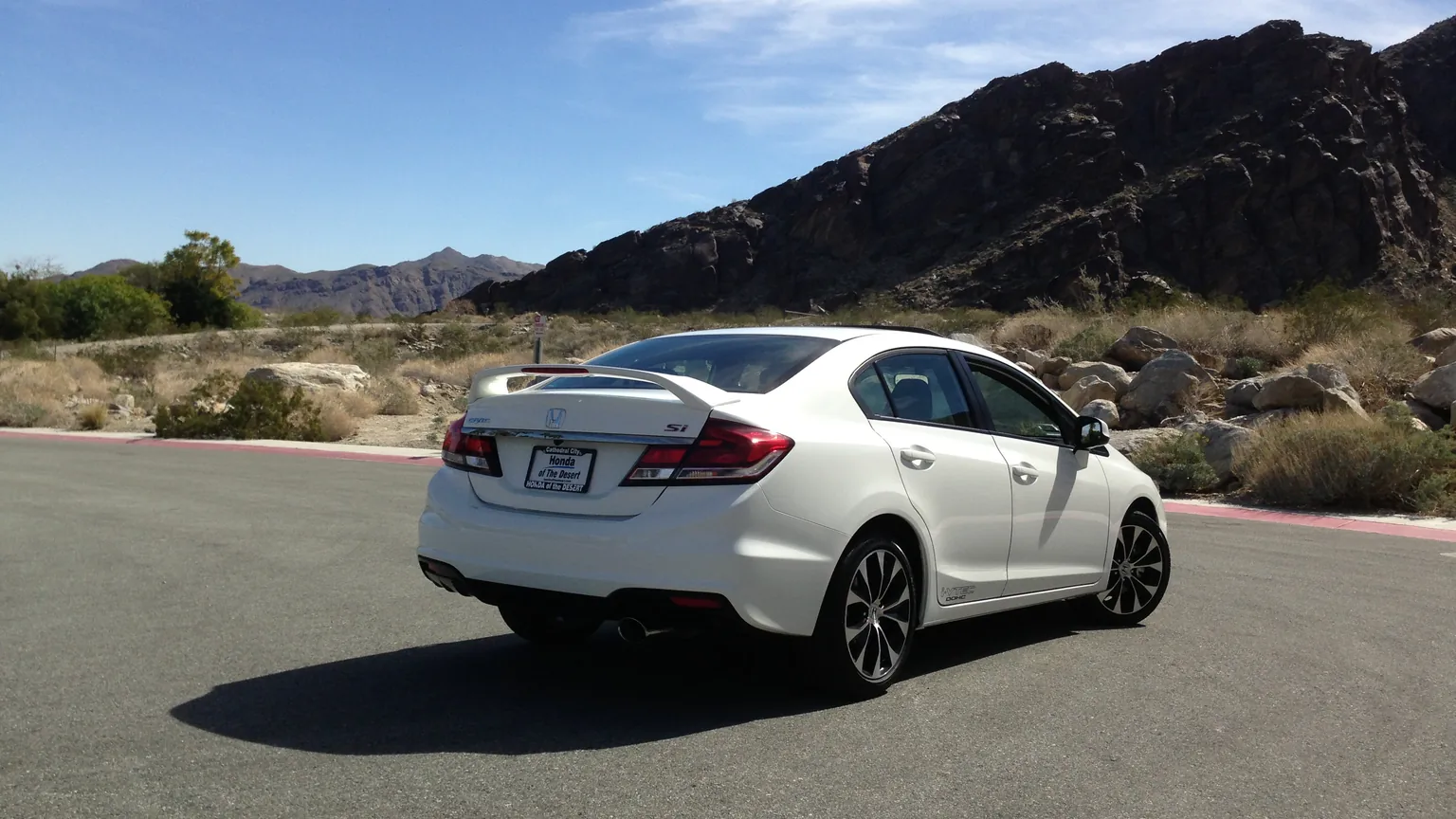
American Honda is recalling 810,592 U.S. vehicles for Takata front-airbag inflators containing a moisture-absorbing desiccant. Announced November 20, 2026, the campaign addresses potential deterioration identified through long-term monitoring and testing. Honda says no ruptures, injuries or fatalities associated with these particular inflator types have been reported.
That preventive approach matters, but it does not mean repairs are already available. NHTSA’s acknowledgment schedules interim owner letters for December 18, 2026, followed by another notice when the final remedy becomes available. Owners therefore need to distinguish recall eligibility from repair readiness.
Which Honda and Acura vehicles are included?
Campaign 26V765000 covers certain 2012–2013 Honda Civic and CR-V vehicles and certain 2013 Honda Accord, Acura ILX and Acura RDX vehicles. It does not cover every example of those models and years. The 810,592 figure counts potentially affected vehicles, not individual owners or failed airbags.
Honda defines the population by vehicles originally sold or ever registered in Alabama, California, Florida, Georgia, Hawaii, Louisiana, Mississippi, South Carolina, Texas, Puerto Rico, the U.S. Virgin Islands, the Northern Mariana Islands, Guam or American Samoa. The company identifies those locations with high temperatures, humidity and substantial temperature fluctuations.
That history-based definition matters for used-car owners: moving a vehicle to a cooler state does not erase a qualifying earlier registration. A model-year list and current address cannot resolve eligibility on their own. The vehicle identification number, or VIN, is the practical starting point for checking whether a specific vehicle is included.
A drying agent is not a lifetime durability guarantee
Desiccant manages moisture inside an inflator. Its presence distinguishes this campaign from the non-desiccated inflators central to the earlier Takata crisis, but it does not eliminate the need to evaluate long-term durability. The current recall identifies a hazard involving propellant deterioration after prolonged humidity exposure and temperature variation. An inflator rupture can propel metal fragments toward occupants, causing serious injury or death.
It would nevertheless be wrong to call this Honda’s first recall of any desiccated Takata inflator. In March 2019, Honda recalled a different replacement-inflator type after manufacturing errors introduced excessive moisture during assembly. Honda reported an injury involving that earlier defect. Those facts should not be imported into the incident record for the newly announced campaign.
The useful distinction is the particular component and failure mechanism, not a blanket assumption that every moisture-controlled inflator is identical. The earlier manufacturing-error recall and the current aging-related action illustrate why a general description such as Takata replacement is insufficient to establish a vehicle’s present recall status. The separate campaigns do not, by themselves, establish that the same vehicles are affected.
What Honda’s testing timeline actually establishes
Honda’s regulatory chronology says its June 2020 analysis found no degradation in recovered field parts and predicted that deterioration would not create a rupture risk before 2027 at the earliest. In May 2025, severe-environment simulation testing showed degradation, although the tested inflators still operated within normal limits.
Honda continued evaluating the findings through November 2026 and said they did not represent a statistically significant departure from its earlier prediction. It decided on November 19, 2026, that a safety defect existed and a recall was necessary. That chronology is Honda’s account, not an independent guarantee of any individual inflator’s remaining service life.
Reuters reported that NHTSA credited independent analysis and simulation models with allowing Honda and Toyota to act ahead of potential risks; the agency said other manufacturers continue testing.
The industry implication is that long-term durability monitoring remains important even before field failures are reported. Testing can challenge earlier expectations as components age. For owners, however, a prediction mentioning 2027 is not an expiration date for concern or a reason to disregard the recall. The campaign establishes a defect requiring correction; the testing history explains how Honda reached that decision.
Replacement design, notification and repair are separate
Honda’s filed remedy specifies replacement inflators from another supplier using a different propellant formulation. The company says that formulation avoids the environmental degradation involved here. This is a physical component replacement, not a software correction.
The documents require careful reading on timing. Honda’s filing lists December 18 in a remedy-notification field, but NHTSA’s acknowledgment explicitly describes December 18 letters as interim notices, with additional letters when the final remedy becomes available. That date should not be treated as a guaranteed repair-start date. The Associated Press’s November 23 report likewise describes a later remedy notice.
NHTSA’s acknowledgment says affected VINs would become searchable beginning November 22, 2026. That is a lookup milestone, not evidence that replacement parts are available for every vehicle. Similarly, announcing a remedy establishes the intended correction; it does not establish that a particular car has received it.
These distinctions matter when arranging service or reviewing a used vehicle’s records. Recall inclusion, parts availability, an appointment and a completed repair are different stages. A campaign announcement cannot substitute for vehicle-specific confirmation from the manufacturer or an authorized dealer.
Related RecallWire coverage: Honda and Acura recall: Air bag inflators may rupture; Weekly recall report: Air bag, fire, steering and seat-back risks
What affected owners can establish now
Use Honda’s or Acura’s official recall lookup, or NHTSA’s VIN search, rather than relying on a past Takata repair or a broad model list. NHTSA cautions that some newly announced recalls may not immediately include every VIN in search results. If eligibility remains unclear, ask the manufacturer or an authorized dealer to resolve it.
Honda customer service is available at 1-888-234-2138. Reference NHTSA campaign 26V765000 or Honda’s identifiers BQK, MQJ, KQI and QQH, and ask whether your VIN is included, whether replacement parts are available and how completion will be documented. Honda urges affected owners to obtain repairs as soon as notified. The defect and free replacement remedy are established; an individual vehicle’s appointment date and completed repair are not established by the announcement.
Sources used for this analysis.
- American Honda Motor Co.. Statement by American Honda Regarding Takata Desiccated Airbag Inflator Recall. Published November 20, 2026. Accessed November 23, 2026.Source ↗
- National Highway Traffic Safety Administration. Honda Part 573 Safety Recall Report: 26V765. Published November 19, 2026. Accessed November 23, 2026.Source ↗
- National Highway Traffic Safety Administration. Recall Acknowledgment 26V765: Air Bag Inflators May Rupture. Published November 20, 2026. Accessed November 23, 2026.Source ↗
- Reuters via StreetInsider. Honda, Toyota recall 1.6 million vehicles over Takata airbag rupture risk. Published November 20, 2026. Accessed November 23, 2026.Source ↗
- American Honda Motor Co.. Statement by American Honda Regarding Recall of Takata Desiccated Replacement Driver Front Airbag Inflators. Published March 12, 2019. Accessed November 23, 2026.Source ↗
- Associated Press. Honda recalling more than 810,000 vehicles due to airbag inflator issue. Published November 23, 2026. Accessed November 23, 2026.Source ↗
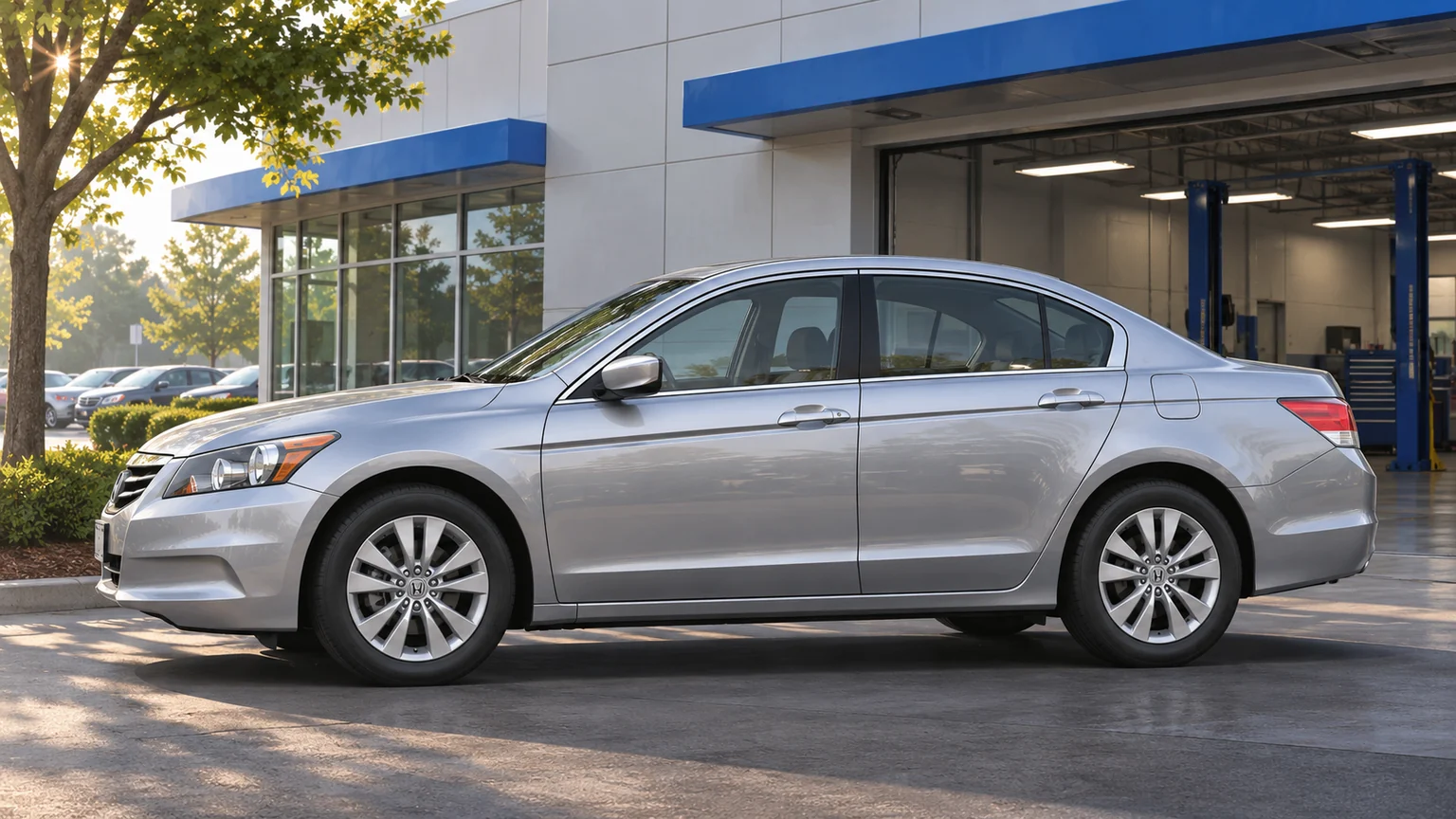
Honda and Acura recall: Air bag inflators may rupture
Certain Acura ILX and RDX and Honda ACCORD, CIVIC and CR-V vehicles have air bag inflators that may rupture; the specified remedy is free replacement of the affected inflator.

Weekly recall report: Air bag, fire, steering and seat-back risks
Campaigns involving Honda, Acura, BMW, Toyota and Lexus address air bag rupture, electrical fire, loss of steering assist and seat-back protection risks.
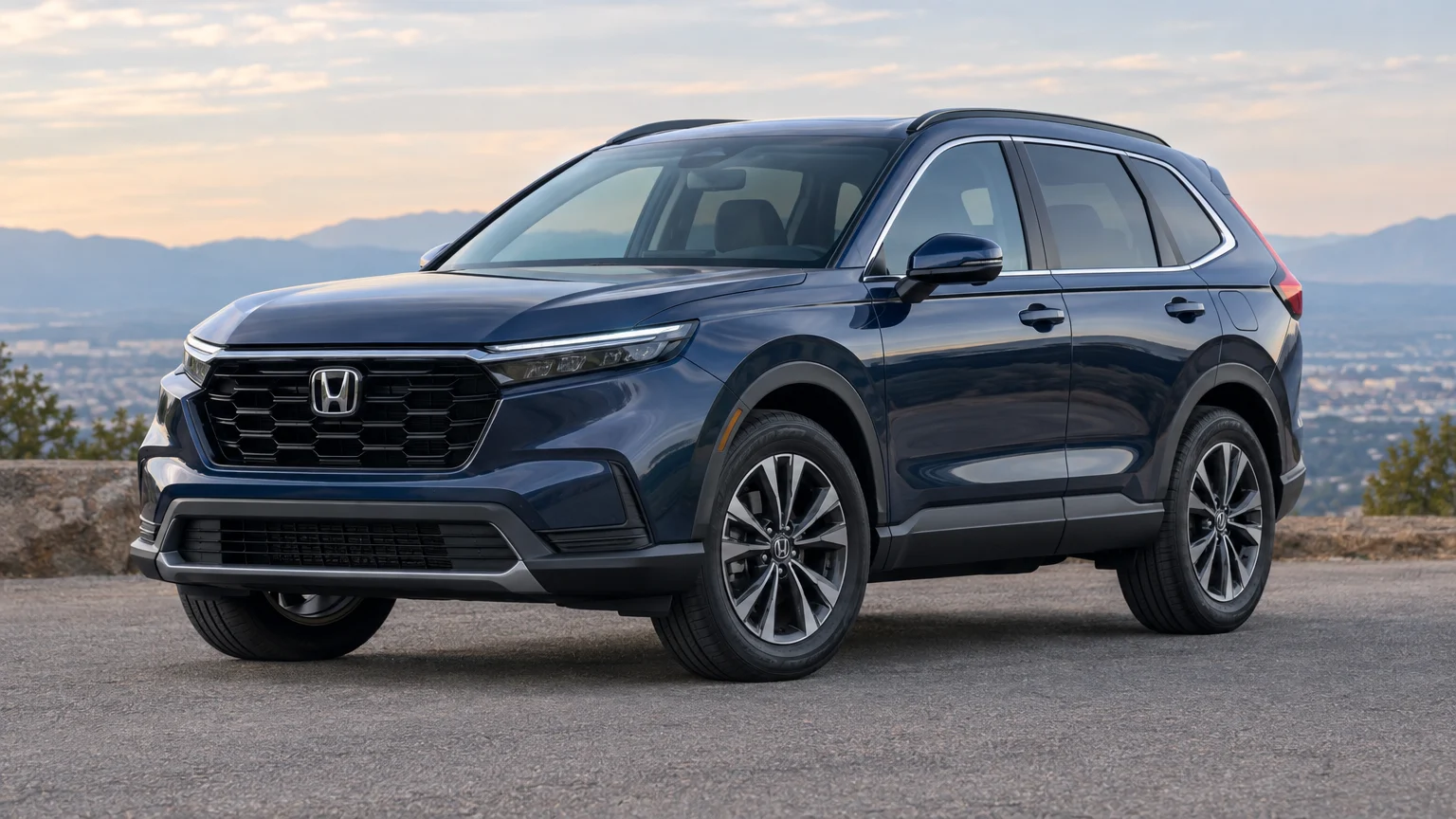
2028 Honda CR-V Goes Hybrid-Only: The Price Test Ahead
Honda’s next CR-V is scheduled to arrive in 2027 with hybrid power standard. The unanswered question is how affordably buyers will be able to get it.