2028 Honda CR-V Goes Hybrid-Only: The Price Test Ahead
Honda’s next CR-V is scheduled to arrive in 2027 with hybrid power standard. The unanswered question is how affordably buyers will be able to get it.
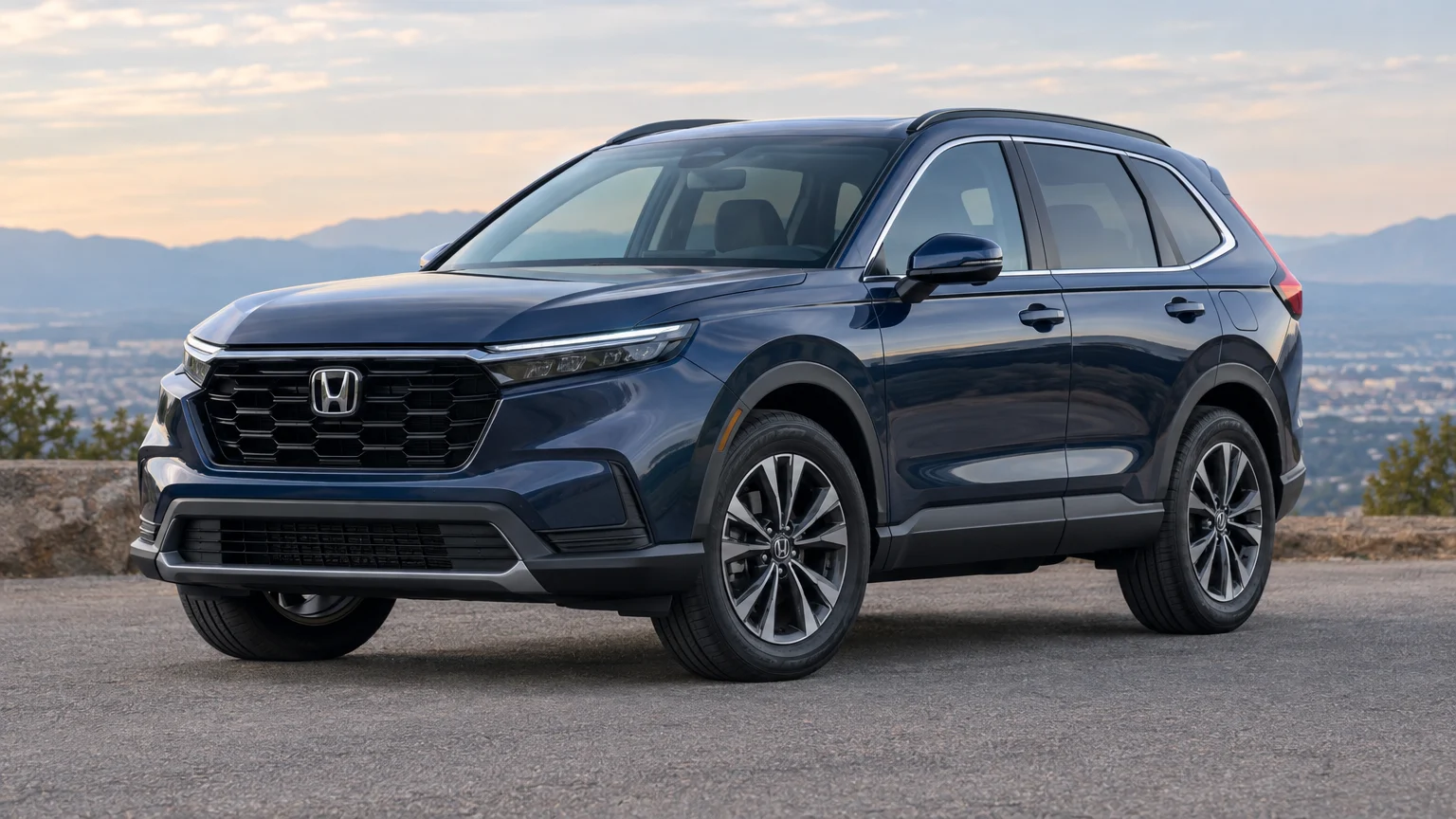
Honda announced November 12 that the redesigned 2028 CR-V is scheduled to arrive in calendar year 2027 exclusively with a new two-motor hybrid system. The seventh-generation SUV will also introduce a new platform. That makes electrification standard rather than an upgrade, but Honda has not announced the new model’s price.
For buyers, the important question is not simply whether the next CR-V uses less gasoline. It is whether Honda can make its hybrid-only lineup accessible to customers who currently choose a less expensive gasoline model. Existing prices, recent sales and Honda’s manufacturing timetable reveal why that question remains open.
A majority-hybrid seller still has gasoline buyers to retain
Honda’s October sales report shows both the opportunity and the challenge. The company reported selling 34,815 CR-Vs in the United States that month, including 18,534 hybrids. Honda put the hybrid share at 53%. Those are reported sales, not a survey of what customers might buy.
The implication is that Honda is standardizing a powertrain already chosen by a narrow majority, not introducing unfamiliar technology to the entire customer base. But a substantial portion of October buyers still selected the gasoline-only version. The sales split alone cannot establish whether those customers preferred the gasoline engine, wanted a particular trim or were working within a tighter budget.
Honda also is not making this move in isolation. As Car and Driver notes, Toyota already adopted the hybrid-only approach for the redesigned RAV4. That competitive context makes Honda’s decision less surprising, while increasing the importance of how it packages and prices the replacement.
Today’s $4,510 entry-price gap is the useful benchmark
Honda’s U.S. configurator lists the 2027 CR-V LX at a starting MSRP of $31,520 and the least expensive hybrid, the Sport Hybrid, at $36,030. Both exclude a $1,550 destination charge, taxes, registration and other applicable costs. Dealer prices can vary. The difference between those advertised starting prices is $4,510.
That is not a clean measurement of what the hybrid hardware costs. The two vehicles are different trims with different equipment, wheels and styling. Treating the whole gap as a hybrid surcharge would confuse powertrain pricing with Honda’s current product packaging.
It nevertheless identifies the affordability test. A buyer entering the CR-V lineup today can spend materially less than the starting price of its hybrid range. Honda could rearrange equipment and trim levels when hybrid power becomes standard, but the company has not disclosed its 2028 pricing or complete lineup. Cars.com likewise reports that cost and an exact on-sale date remain unannounced.
Neither a $4,510 increase nor an unchanged base price is established. The useful comparison will be the next model’s actual entry price and equipment, not an assumed premium carried over from today’s trim ladder.
Efficiency gains are targets, not certified buyer savings
The redesign involves more than removing the gasoline-only option. Honda says its next-generation hybrid system expands the engine’s efficient operating range and improves drive-unit efficiency. Its broader next-generation architecture also targets lower weight and optimized body rigidity. These are manufacturer descriptions of engineering objectives, not independent evaluations of the finished CR-V.
In the CR-V announcement, Honda says it is aiming to improve next-generation hybrid fuel efficiency by more than 10% and describes a newly developed electric all-wheel-drive unit. The announcement does not establish a final U.S. fuel-economy rating, and that percentage should not be converted into a promised EPA mileage figure.
The distinction matters to the price discussion. Better efficiency can strengthen the ownership case, but a household’s fuel savings depend on the final vehicle, annual mileage and gasoline prices. There is not yet enough confirmed information to calculate a credible payback period for buying the redesigned model instead of a current CR-V.
A new platform also is not proof of better ride quality, quieter operation or more usable space. Those judgments require production specifications and independent testing, rather than extrapolation from Honda’s development goals.
The 2027 CR-V launch and 2029 factory expansion are separate
Honda’s manufacturing announcement provides substantial backing for its hybrid strategy, but it operates on two timelines. On November 9, Honda announced a planned $3 billion Ohio assembly plant with annual capacity for 240,000 vehicles. Production is expected to begin in 2029, pending final government approvals—not in time for the CR-V’s announced 2027 arrival.
Honda says the redesigned CR-V will continue to be built at its existing East Liberty, Ohio, Indiana and Canadian assembly plants. That existing network, rather than the proposed additional factory, is the relevant starting point for launch supply.
There also are nearer-term component investments. Honda says its Ohio transmission operation is preparing to produce the next-generation hybrid system in 2027, while the Anna Engine Plant is retooling for a next-generation four-cylinder Atkinson-cycle engine. Honda projects a 250% increase in Ohio hybrid-system production capacity in the coming years.
These plans support a larger manufacturing commitment, but capacity is not completed production or dealer inventory. The new factory’s 240,000-vehicle figure is not a CR-V allocation, and neither announcement establishes how plentiful specific trims will be at launch.
Honda’s earnings show why execution matters beyond sales
The financial backdrop prevents this from being a simple story about following a popular powertrain. In its November 10 results, Honda reported a 5.7 billion yen operating loss for its automobile business for the six months ended September 30, 2026. Excluding EV-related losses, its adjusted automobile operating profit was 479.0 billion yen. Those figures describe the global automobile segment, not the CR-V’s profitability.
The Associated Press reported that Honda’s overall first-half net profit rose 66%, driven by strong motorcycle sales, even as global automobile sales declined. AP also reported that Honda intends to preserve flexibility for future battery-electric production rather than treating the current hybrid expansion as an irreversible endpoint.
The analysis is straightforward: strong demand for a successful SUV does not by itself resolve development costs, manufacturing expense or losses elsewhere in the business. Honda needs its new hybrid family to work economically as well as commercially.
For shoppers, that reinforces the need to judge the eventual offer on its own merits. A broader corporate recovery strategy is not evidence that the next CR-V will be cheaper, more reliable or a better purchase for every household.
Watch the entry trim, not just the hybrid badge
Honda has made the powertrain decision; buyers still need the price, final efficiency figures and complete trim details. Until those arrive, the next CR-V is a confirmed product change—not a demonstrated ownership-cost bargain.
The decisive test is whether Honda delivers meaningful efficiency gains without pushing its entry point beyond the customers its gasoline models currently serve. Current shoppers can compare actual offers now; anyone considering waiting should avoid treating unannounced specifications or prices as settled benefits.
Sources used for this analysis.
- American Honda Motor Co.. All-New Honda CR-V to Go 100% Hybrid Next Year; America’s Best-Selling SUV to Debut New Platform, Powertrain and Design. Published November 12, 2026. Accessed November 13, 2026.Source ↗
- American Honda Motor Co.. American Honda Achieves Best October in Six Years Powered by Record Sales of Light Trucks and Hybrid Models. Published November 3, 2026. Accessed November 13, 2026.Source ↗
- Honda. Build & Price: 2027 CR-V. Accessed November 13, 2026.Source ↗
- Car and Driver. Next-Gen 2028 Honda CR-V Follows the Toyota RAV4 as a Hybrid-Only SUV. Published November 12, 2026. Accessed November 13, 2026.Source ↗
- Cars.com. Honda Confirms 2028 CR-V to Be 100% Hybrid on New Platform. Published November 12, 2026. Accessed November 13, 2026.Source ↗
- Honda Motor Co.. Honda Announces “Honda Hybrid” as Name of Next-generation Hybrid System. Published October 9, 2026. Accessed November 13, 2026.Source ↗
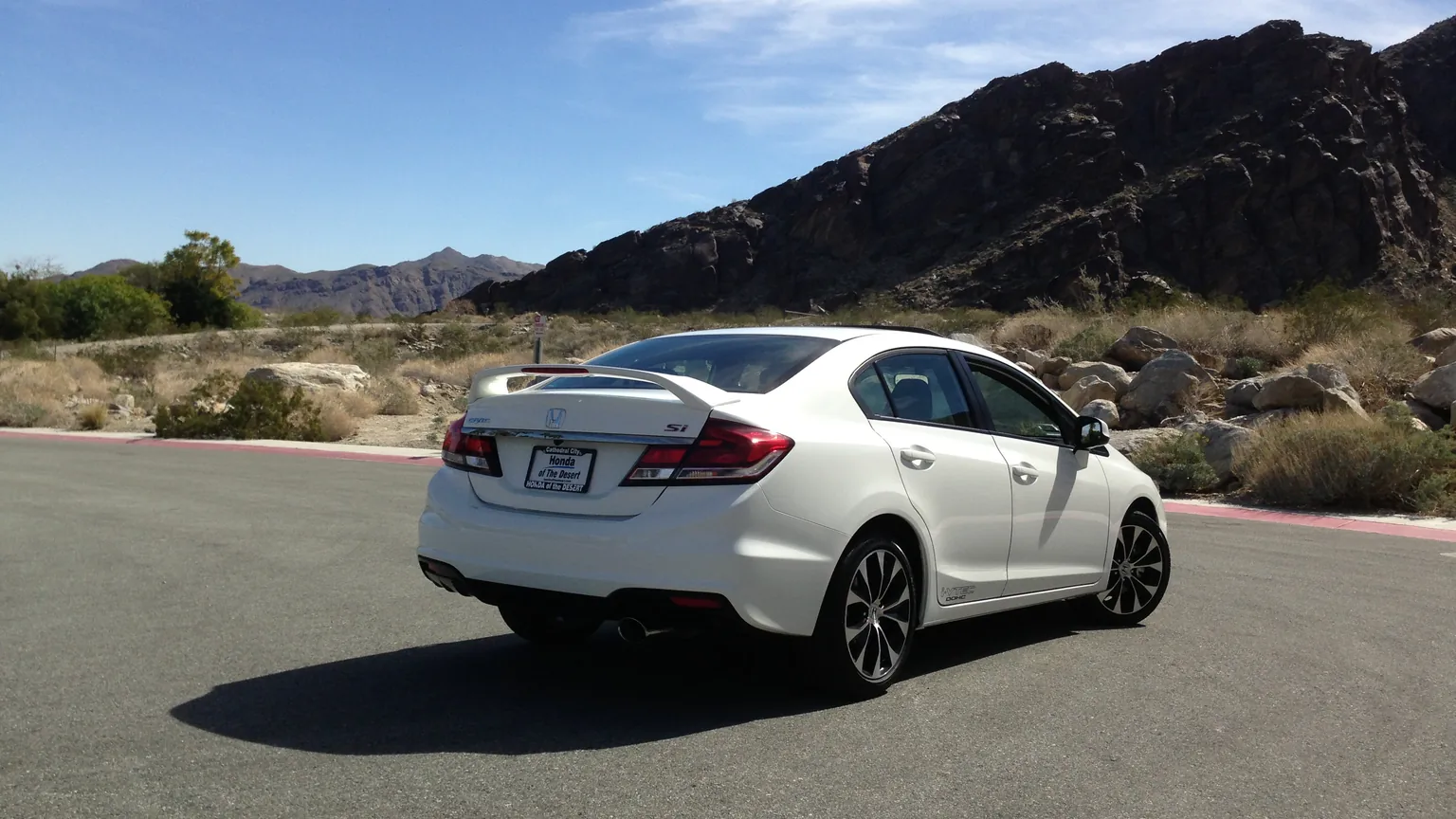
Honda’s New Takata Recall Puts Airbag Aging in Focus
The 810,592-vehicle Honda and Acura campaign involves moisture-controlled inflators. Registration history, aging tests and an unfinished repair timetable make the details important.
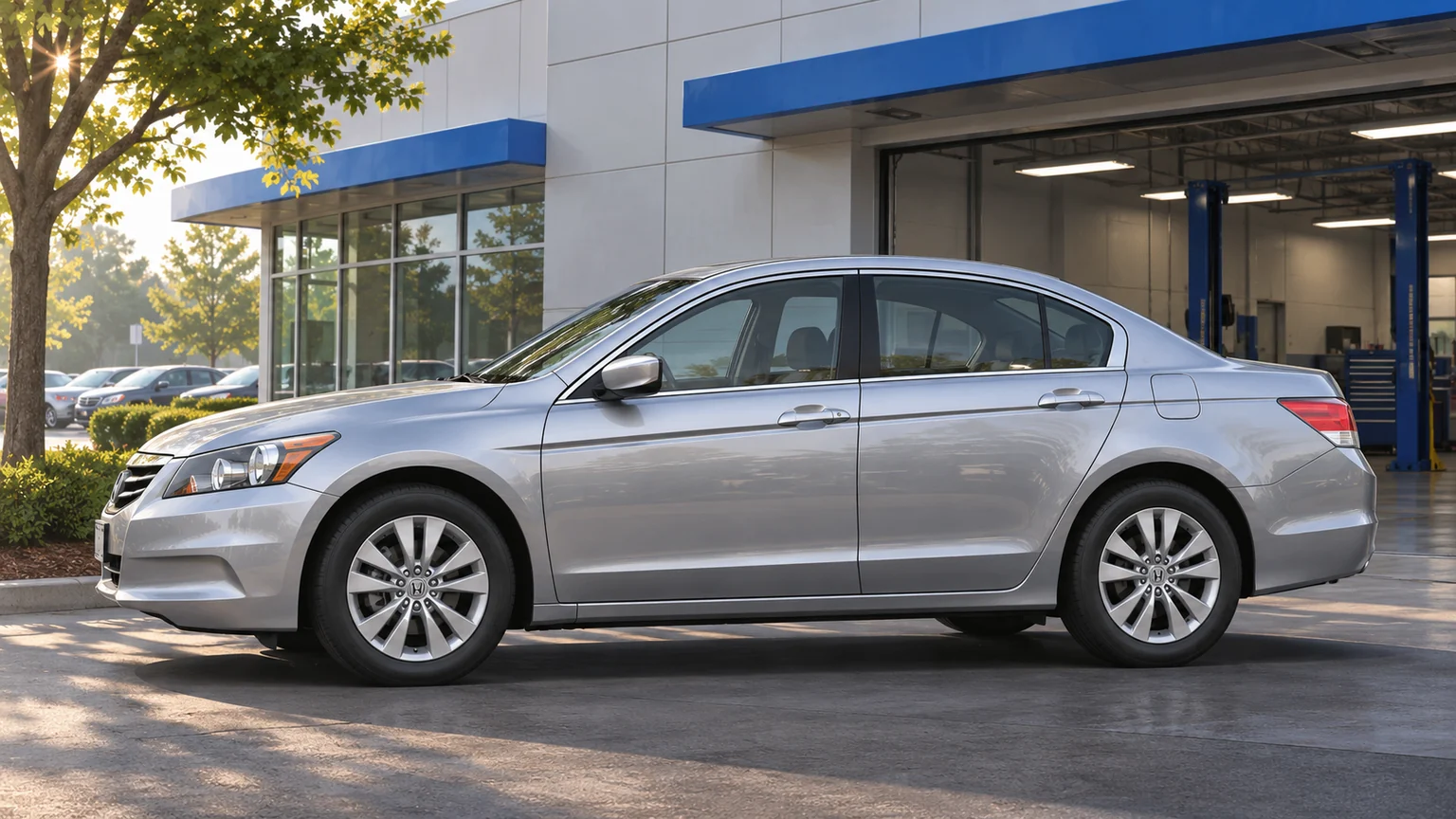
Honda and Acura recall: Air bag inflators may rupture
Certain Acura ILX and RDX and Honda ACCORD, CIVIC and CR-V vehicles have air bag inflators that may rupture; the specified remedy is free replacement of the affected inflator.
Weekly recall report: Air bag, fire, steering and seat-back risks
Campaigns involving Honda, Acura, BMW, Toyota and Lexus address air bag rupture, electrical fire, loss of steering assist and seat-back protection risks.