Rivian R2 Leads Sales, but the Profit Test Remains
Rivian’s new SUV is driving record deliveries, but automotive losses, Volkswagen support and a staggered rollout of cheaper trims complicate the growth story.

Rivian’s R2 became its best-selling vehicle by volume in the third quarter, the company announced on October 29, 2026. That is a consequential early result for the SUV intended to broaden Rivian’s customer base. But the automotive business still recorded an $80 million gross loss, despite the company reporting positive consolidated gross profit.
For U.S. shoppers, the distinction matters: a successful production ramp is not the same as a self-sustaining vehicle business. Nor does strong demand for the launch version mean Rivian’s least expensive advertised R2 is available now.
Record deliveries are not an R2 sales total
Rivian delivered 19,248 vehicles and produced 19,751 at its Normal, Illinois, factory during the quarter ended September 30. Those are companywide figures, not an R2-only sales count. Describing all those deliveries as R2 sales would overstate what the published numbers establish.
The company raised its full-year delivery forecast from 65,000–70,000 vehicles to 67,000–70,000. That increases the floor without lifting the ceiling: management has reduced the downside in its forecast, rather than announced a substantially larger maximum.
Chief Executive RJ Scaringe told Reuters that Rivian had brought on a second R2 production shift and was still ramping it. The next test is therefore not simply whether the company can build more SUVs, but whether higher output improves the economics of the vehicles it delivers. The companywide delivery record establishes greater volume; it does not, by itself, establish profitable growth.
Positive gross profit does not mean profitable vehicle production
The earnings split explains the qualification. Rivian reported $176 million in consolidated gross profit, comprising $256 million from software and services and an $80 million automotive gross loss. Software and services more than offset the automotive shortfall; the positive combined result does not establish that manufacturing and selling vehicles was profitable.
There are moving parts on both sides of the automotive calculation. Rivian attributed improvement partly to delivery volumes and better per-unit margins, but also to regulatory-credit revenue and a tariff-refund receivable. Meanwhile, it recognized approximately $120 million in incremental costs associated with ramping R2 production.
The analytical implication is narrower than either a turnaround celebration or a dismissal of the launch. Higher production can help absorb factory costs, but the reported improvement is not exclusively a manufacturing-efficiency gain. And the automotive segment covers multiple vehicles, rather than providing a standalone R2 profitability result. Readers should not treat the segment’s loss as a disclosed loss figure for R2 alone.
Volkswagen support has different financial meanings
Rivian’s quarterly filing identifies $354 million of revenue from its Volkswagen development arrangements. That is a substantial component of the $605 million software-and-services segment, not simply revenue from subscriptions purchased by Rivian drivers. The filing describes development obligations for Volkswagen’s electrical architecture and software, with revenue recognized over time.
There is also a limit to extrapolating that contribution indefinitely. Rivian expects to recognize revenue for the existing development obligation through approximately mid-2028 and anticipates a reduction in software-and-services gross profit during 2028 when that obligation is satisfied. Those remain company expectations, rather than guaranteed results or a forecast for every future Volkswagen-related activity.
Separately, Volkswagen-related term loans totaling $1 billion were funded on October 7. That money supports liquidity, but borrowing is not sales revenue or profit. Our reading: Volkswagen provides valuable financial support while R2 scales, but those arrangements do not remove the need for stronger vehicle margins. Revenue from development work and cash from loans answer different financial questions.
The least expensive R2 remains a future offering
The launch’s price positioning deserves equal attention. Rivian began customer deliveries on June 9 with the R2 Performance with Launch Package, announcing a starting price of $57,990 before additional applicable taxes and fees. The initial sales result therefore reflects a considerably more expensive vehicle than the roughly $45,000 R2 often associated with the program.
Rivian’s published rollout schedule places the $53,990 Premium in late 2026, followed by a $48,490 Standard rear-wheel-drive Long Range configuration in the first half of 2027. An additional Standard variant starting around $45,000 is scheduled for late 2027. These are announced prices and timing plans, not confirmation of a particular customer’s delivery date or final transaction price.
For buyers, the implication is practical: evaluate the configuration actually being offered and its complete cost. Early demand for a higher-priced launch model is encouraging, but it does not yet demonstrate how the least expensive version will sell—or what margins it will generate. The launch and the planned expansion into lower prices are separate tests.
Autonomy funding is not a retail feature guarantee
Rivian’s technology ambitions also influence its financing. Scaringe told Reuters he was confident the company would reach an autonomy milestone unlocking another $250 million from Uber by year-end. He declined to disclose the milestone’s detailed criteria. That is an expectation of conditional funding, not evidence that the payment has already arrived.
Keep that financing story separate from what a retail R2 can do. Rivian’s earnings presentation describes its forthcoming Point to Point feature as requiring driver supervision. It expects an invitation-only limited rollout later in 2026 and broader availability to Autonomy+ subscribers in 2027. Those are development plans, not a statement that current customer vehicles are driverless.
The buyer implication is straightforward: future software should be evaluated as a contingent benefit, not treated as an already-delivered capability. Progress toward a partner’s investment milestone and availability of a finished consumer feature answer different questions. Neither should substitute for checking the functionality and supervision requirements of the vehicle being purchased.
Related RecallWire coverage: RIVIAN R2 recall: Battery fastener drive-power loss; Rivian’s 98,828-Vehicle Camera Recall Is an OTA Test
A stronger launch, not a completed turnaround
R2 has given Rivian a new source of volume, and management has raised the lower end of its delivery outlook. Those are meaningful developments. They do not settle the harder questions about sustained vehicle profitability or execution of future product plans.
The useful takeaway for shoppers is to separate today’s available vehicle from tomorrow’s promises. For the industry, the next convincing milestone is not another production record alone, but evidence that growing R2 volume can support durable automotive margins. Software-development revenue, financing and vehicle earnings all matter—but they are not interchangeable measures of success.
Sources used for this analysis.
- Rivian Automotive via Business Wire. Rivian Releases Third Quarter 2026 Financial Results. Published October 29, 2026. Accessed October 30, 2026.Source ↗
- Rivian Automotive via U.S. Securities and Exchange Commission. Form 10-Q for the quarter ended September 30, 2026. Published October 29, 2026. Accessed October 30, 2026.Source ↗
- Rivian Automotive via U.S. Securities and Exchange Commission. Q3 2026 Earnings Presentation. Published October 29, 2026. Accessed October 30, 2026.Source ↗
- Rivian Automotive via U.S. Securities and Exchange Commission. Rivian Releases Q3 2026 Production and Delivery Figures and Sets Date for Third Quarter 2026 Financial Results. Published October 2, 2026. Accessed October 30, 2026.Source ↗
- Reuters via AOL. Rivian says it's on track for $250 million Uber funding by year-end, R2 demand strong. Published October 29, 2026. Accessed October 30, 2026.Source ↗
- Rivian. R2 Deliveries Begin. Published June 9, 2026. Accessed October 30, 2026.Source ↗
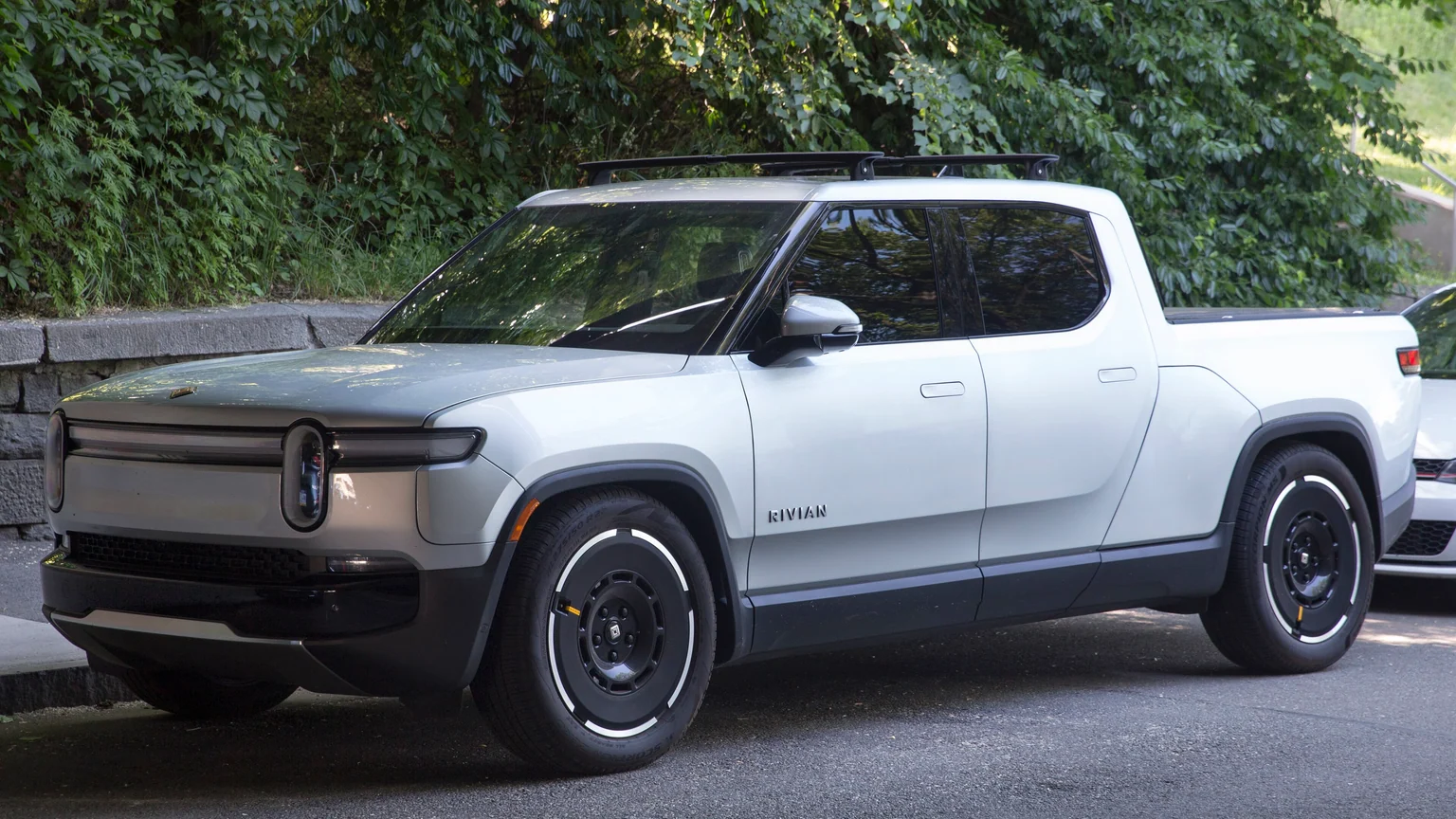
Rivian’s 98,828-Vehicle Camera Recall Is an OTA Test
Rivian’s rear-camera software recall reaches R1T, R1S and R2 vehicles. A rapid over-the-air fix is encouraging, but owners still need to verify that their truck or SUV actually received it.
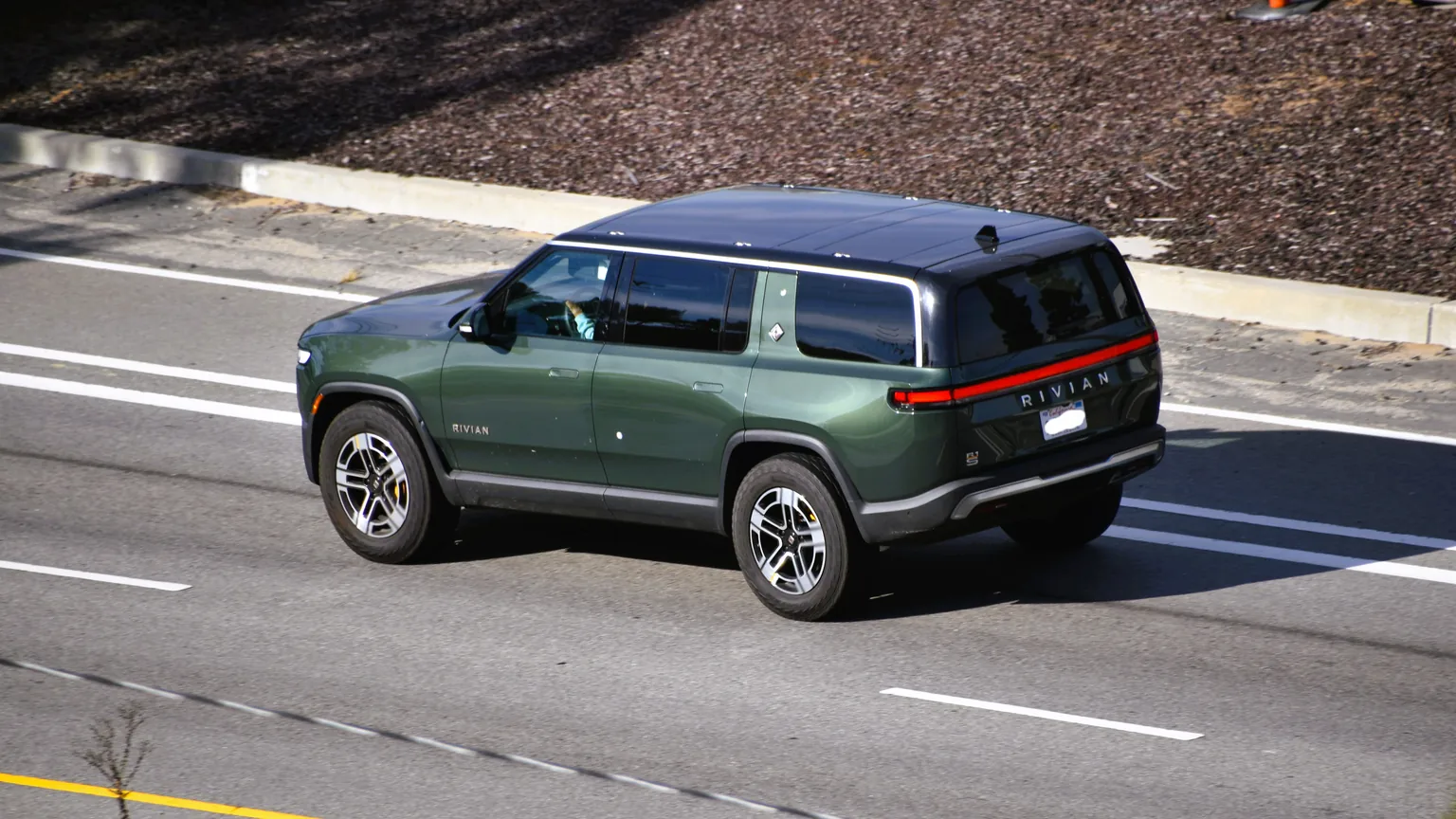
Rivian R1S, R1T and R2 recall: Incorrect tire and wheel labels
Rivian R1S, R1T and R2 vehicles covered by the campaign may have incorrect tire and wheel configuration information on their labels, which Rivian will replace free of charge.
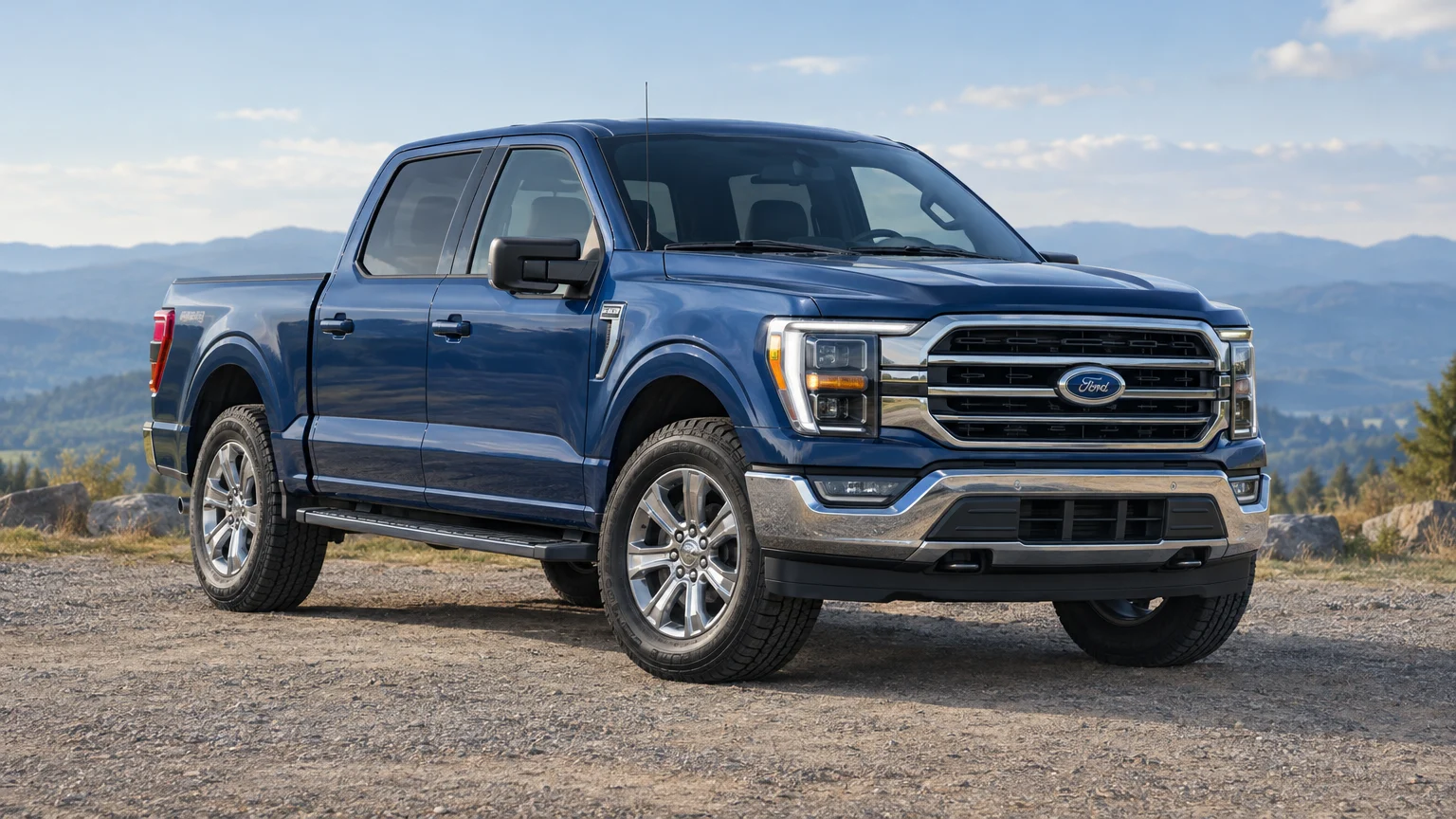
Weekly recall report: Steering, crash protection and visibility concerns
RAM, Toyota, Ford and Rivian campaigns address steering assist, seat-back security, potential fuel leaks, inaccurate instrument readings and rearview camera visibility.