Do recall notices come in the mail?
Yes. Manufacturers mail vehicle safety recall notices. Learn how to recognize one, why it may arrive after an alert, and what to do if nothing arrives.
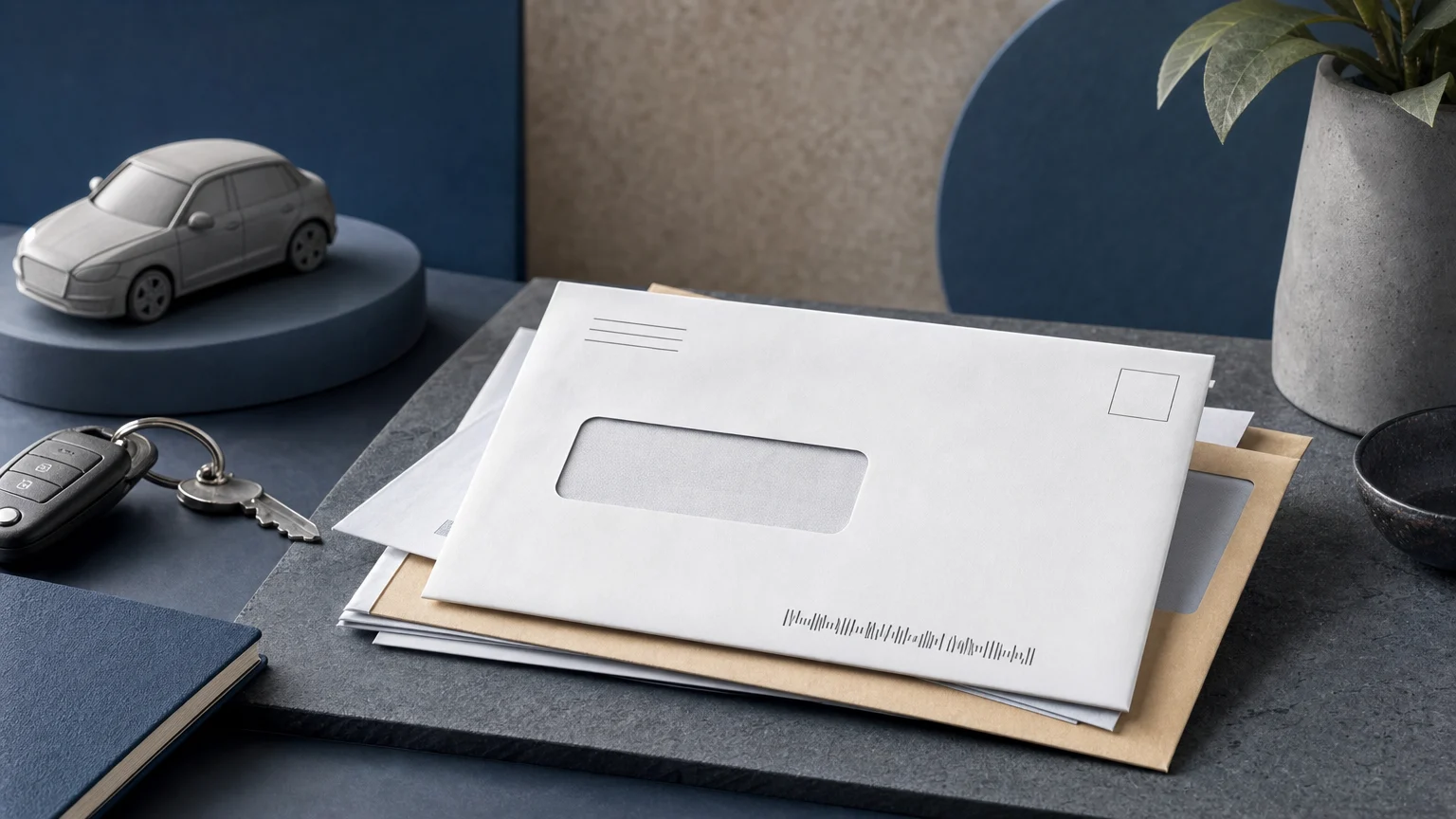
Do recall notices come in the mail? Yes. In the United States, vehicle manufacturers notify registered owners of safety recalls by first-class mail. The letter comes from the manufacturer, while the National Highway Traffic Safety Administration, or NHTSA, oversees the recall process.
Mail is not the only way to learn about a recall. NHTSA also offers electronic alerts. Receiving a warning, confirming that your vehicle is affected, and arranging the remedy are separate steps. Do not treat an empty mailbox as proof that your vehicle has no recall.
When should the recall letter arrive?
Under the federal notification rule, manufacturers generally must furnish owner notices no later than 60 days after filing their defect or noncompliance report with NHTSA. NHTSA can order a specific notification date. That timeline is not a promise that your letter will arrive on the day a recall makes the news.
A notice may arrive before a repair is available. If the remedy is unavailable when the initial notice goes out, the manufacturer must issue a second notification within a reasonable time after it becomes available. An initial letter therefore can be a safety warning rather than an invitation to book an immediately available repair.
Read that first letter even if it says parts are not ready. Look for instructions about using or parking the vehicle while you wait. The practical distinction is important: a pending repair and an immediate safety precaution can apply at the same time. Follow the campaign’s specific instructions.
What does an official recall notice look like?
Federal rules require the envelope to carry SAFETY RECALL NOTICE prominently. The letter itself must display IMPORTANT SAFETY RECALL at the top and identify the vehicle’s VIN conspicuously. Those markings help distinguish safety correspondence from ordinary mail, but verify the vehicle details rather than relying on the envelope alone.
The notice must explain the defect or noncompliance, the safety risk, and relevant remedy information. Look for three practical answers: what can go wrong, what you should do now, and whether the fix is available. Keep the letter where you can find it when contacting the manufacturer or service department.
If you are unsure whether a message is genuine, RecallWire recommends independently checking your VIN through NHTSA or the manufacturer’s official recall tool before responding. Compare the notice with that information and ask the manufacturer to resolve any mismatch. Use independently obtained contact information if you doubt the message’s authenticity.
Can you receive recall alerts electronically?
Email alerts are one option. NHTSA’s Recall Notification Email System offers notifications for vehicle and vehicle-equipment recalls. Treat an alert as a prompt to review the recall and check your vehicle, not as a substitute for understanding the manufacturer’s instructions.
Phone alerts are another. With NHTSA’s SaferCar app, you add your vehicle and enter or scan its VIN. The app alerts you when it discovers a relevant recall. NHTSA says to leave it running in the background so it can automatically check; force-quitting interrupts those checks until you reopen it.
For an owner, these tools provide a backup to the mailbox. A useful routine is to review an alert when it arrives, confirm the vehicle-specific information, and keep any mailed instructions with your service records. Do not assume that receiving an electronic alert means a repair appointment has been arranged.
Why might you never receive a letter?
The mailing system depends on identifying an owner and address. Federal rules direct manufacturers to use state records and other available sources; if the current owner cannot reasonably be identified, notification goes to the most recent purchaser known to the manufacturer. Accurate ownership information therefore matters, including for used vehicles.
RecallWire recommends checking your vehicle-registration information and the manufacturer’s owner records after a move or used-car purchase. Confirm the mailing address rather than assuming every record updated automatically. This is a practical precaution, not a guarantee that a particular notice will reach you.
If you hear about a recall before receiving anything, check your VIN rather than waiting for the post. A model name or model year in a headline is a starting point for investigation, not confirmation that your individual vehicle has an unrepaired recall.
Can you check or act before the mail arrives?
Yes. Use the official NHTSA recall lookup to check for unrepaired recalls by VIN. Our VIN recall lookup guide explains the checking process. This article cannot determine whether your particular vehicle has an open recall; that requires a vehicle-specific check.
RecallWire’s vehicle recall repair guide explains how to confirm coverage, arrange the remedy, and keep completion records after a notice or VIN result appears.
A zero-result search has limits. NHTSA says its lookup may omit recently announced recalls while VINs are being identified, recalls more than 15 years old except where additional coverage applies, and recalls already repaired. If a letter or announcement conflicts with your result, contact the manufacturer and check again rather than dismissing it.
Once coverage is confirmed, follow the campaign’s precautions and ask the authorized service department whether the remedy is available. Have your VIN and any notice ready. Ask whether you can schedule the work now and what instructions apply while you wait. Do not interpret a delayed appointment as permission to disregard a driving or parking restriction.
Expect a letter, but do not depend on it alone
Mailed notices are a standard part of the US vehicle safety recall process. Electronic alerts and VIN checks provide useful backup. Whether you learn about a recall on paper or on your phone, focus on three things: whether your vehicle is affected, what precautions apply now, and when the remedy can be completed.
Sources used for this guide.
- NHTSA. Check for Recalls: Vehicle, Car Seat, Tire, Equipment. Accessed September 16, 2026.Source ↗
- U.S. Government Publishing Office. 49 CFR Part 577—Defect and Noncompliance Notification, 2024 Edition. Accessed September 16, 2026.Source ↗
- Cornell Law School, Legal Information Institute. 49 CFR § 577.5—Notification pursuant to a manufacturer's decision. Accessed September 16, 2026.Source ↗
- NHTSA. NHTSA's Recall Notification Email System. Accessed September 16, 2026.Source ↗
- NHTSA. SaferCar App: Vehicle Safety Recalls App. Accessed September 16, 2026.Source ↗