GENESIS G80 recall: Power seat overheating and fire risk
Front power seat motors in affected Genesis G80 and Hyundai Genesis vehicles may overheat and cause a fire; the remedy remains under development.
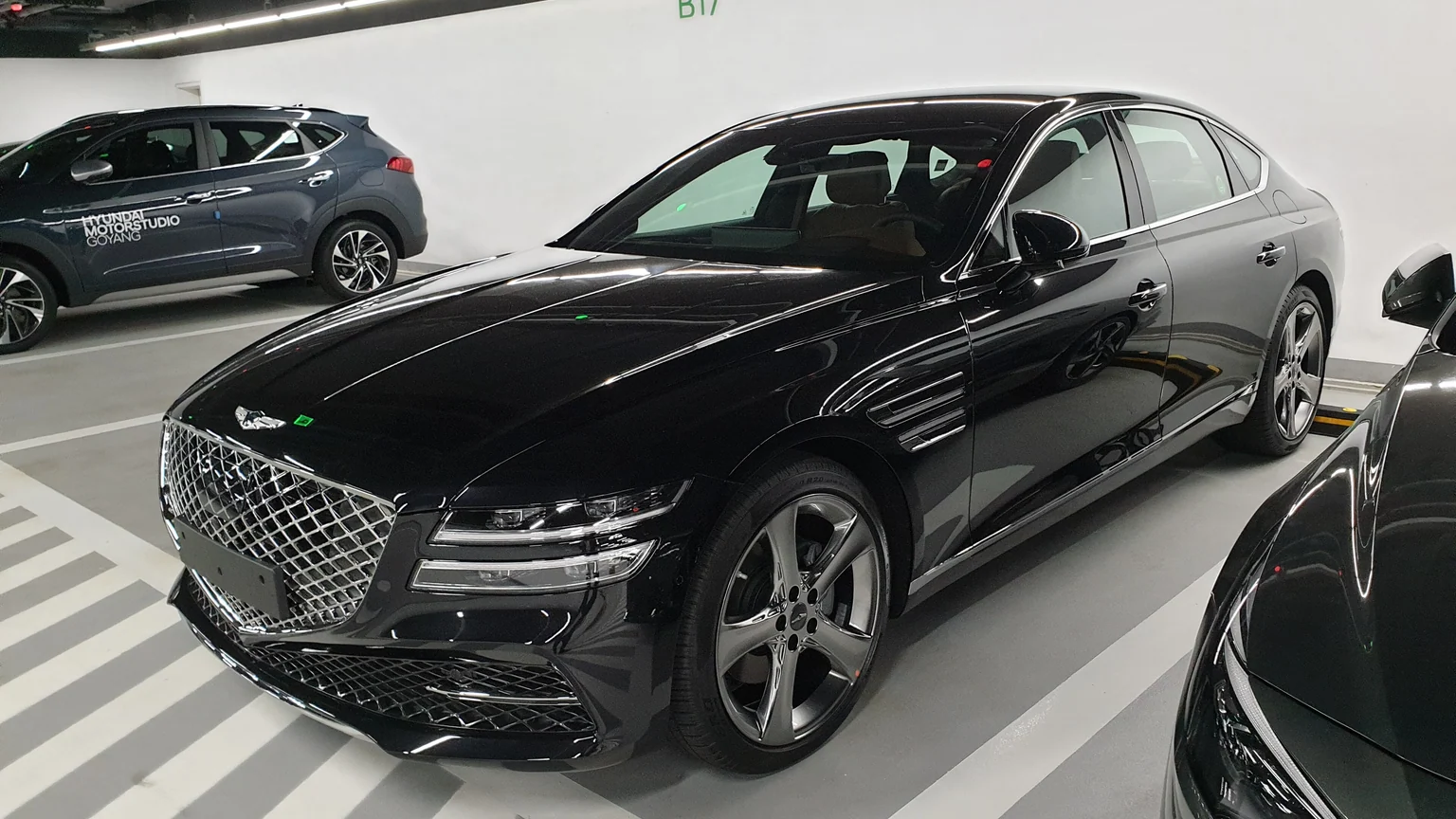
Owners of affected Genesis and Hyundai vehicles should be aware of a power-seat fire risk while parked or driving. The updated record does not yet specify a completed repair remedy.
What the official recall record says
GENESIS, HYUNDAI: G80, GENESIS
A stuck power seat control switch may cause the front power seat motors to overheat, potentially starting a fire while the vehicle is parked or being driven and increasing the risk of injury. The remedy remains under development, and the record does not specify what the repair will involve.
Owner information from the official record
- Interim instructions: Owners are advised to park their vehicles outdoors and away from other vehicles or structures until the repair has been performed.
- Repair and availability: The remedy is currently under development.
- Owner notices: Owner notification letters are expected to be mailed December 7, 2026.
- VIN lookup timing: Vehicle Identification Numbers (VINs) involved in this recall became searchable on NHTSA.gov beginning October 13, 2026.
- Manufacturer contact: Owners of Hyundai vehicles may contact Hyundai customer service at 1-855-371-9460. Genesis owners may contact Genesis customer service at 844-340-9741.
- Manufacturer recall reference: 308/035G
Official record
- NHTSA recall ID: 26V664000
- Vehicles listed: GENESIS G80 (2020, 2019, 2018, 2017); HYUNDAI GENESIS (2016, 2015)
- Potentially affected: 94,622
- Components: SEATS:FRONT ASSEMBLY:POWER ADJUST
- Report received: October 8, 2026
- Owner notification: Owner notification letters are expected to be mailed December 7, 2026.
- Defect: Hyundai Motor America (Genesis) is recalling certain 2015-2016 Hyundai Genesis, and 2017-2020 Genesis G80 vehicles. The front power seat motors may overheat due to a stuck power seat control switch, which can result in a fire while parked or driving.
- Safety consequence: A fire increases the risk of injury.
- Remedy: Owners are advised to park their vehicles outdoors and away from other vehicles or structures until the repair has been performed. The remedy is currently under development. Owner notification letters are expected to be mailed December 7, 2026. Owners of Hyundai vehicles may contact Hyundai customer service at 1-855-371-9460. Genesis owners may contact Genesis customer service at 844-340-9741. Hyundai recall number for this recall is 308 and Genesis’ recall number is 035G. Vehicle Identification Numbers (VINs) involved in this recall became searchable on NHTSA.gov beginning October 13, 2026.
What owners should do next
Contact Hyundai or Genesis customer service, as appropriate for your vehicle, with questions about the campaign and the remedy under development.
A headline cannot confirm whether a particular vehicle is affected. Use the official NHTSA recall lookup with the vehicle identification number and contact the manufacturer or an authorized dealer for vehicle-specific guidance.
Need a fuller vehicle history?
VINsmart offers paid vehicle-history reports. For current recall status and no-cost repair eligibility, use NHTSA or your vehicle manufacturer.
Advertisement — RecallWire may earn a commission if you purchase a VINsmart report through this link.

Sources used for this report.
References checked October 20, 2026.
National Highway Traffic Safety Administration. Safety Recall Report: Campaign 26V664000. Report received October 8, 2026. Accessed October 20, 2026.
To check a specific vehicle, use the official NHTSA VIN recall lookup.
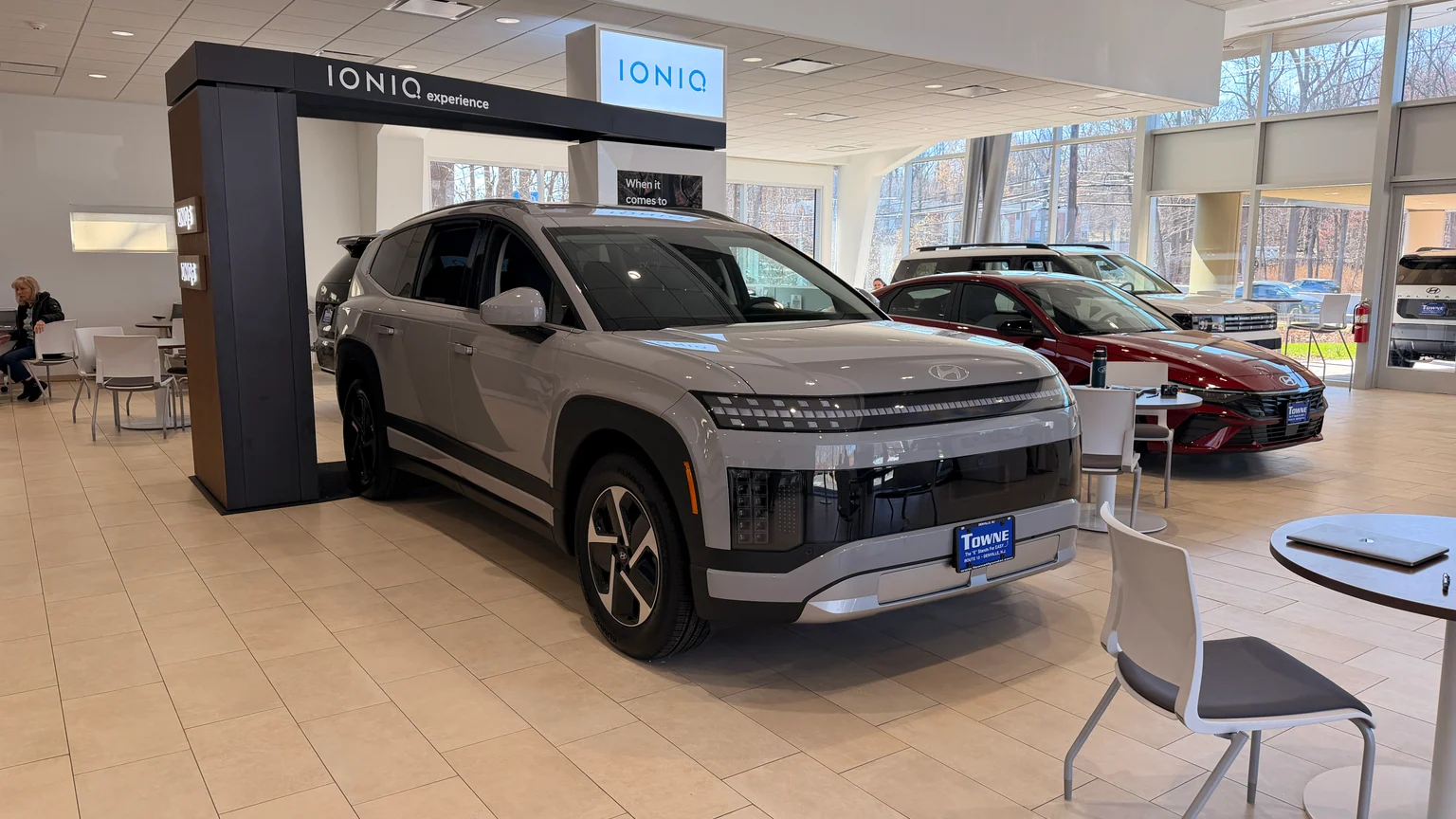
HYUNDAI IONIQ 9 recall: Rear seat entrapment risk
Certain Hyundai IONIQ 9 vehicles may have second-row power seats that do not detect a person, allowing seat movement to continue after contact; seat software will be inspected and updated at no charge when necessary.
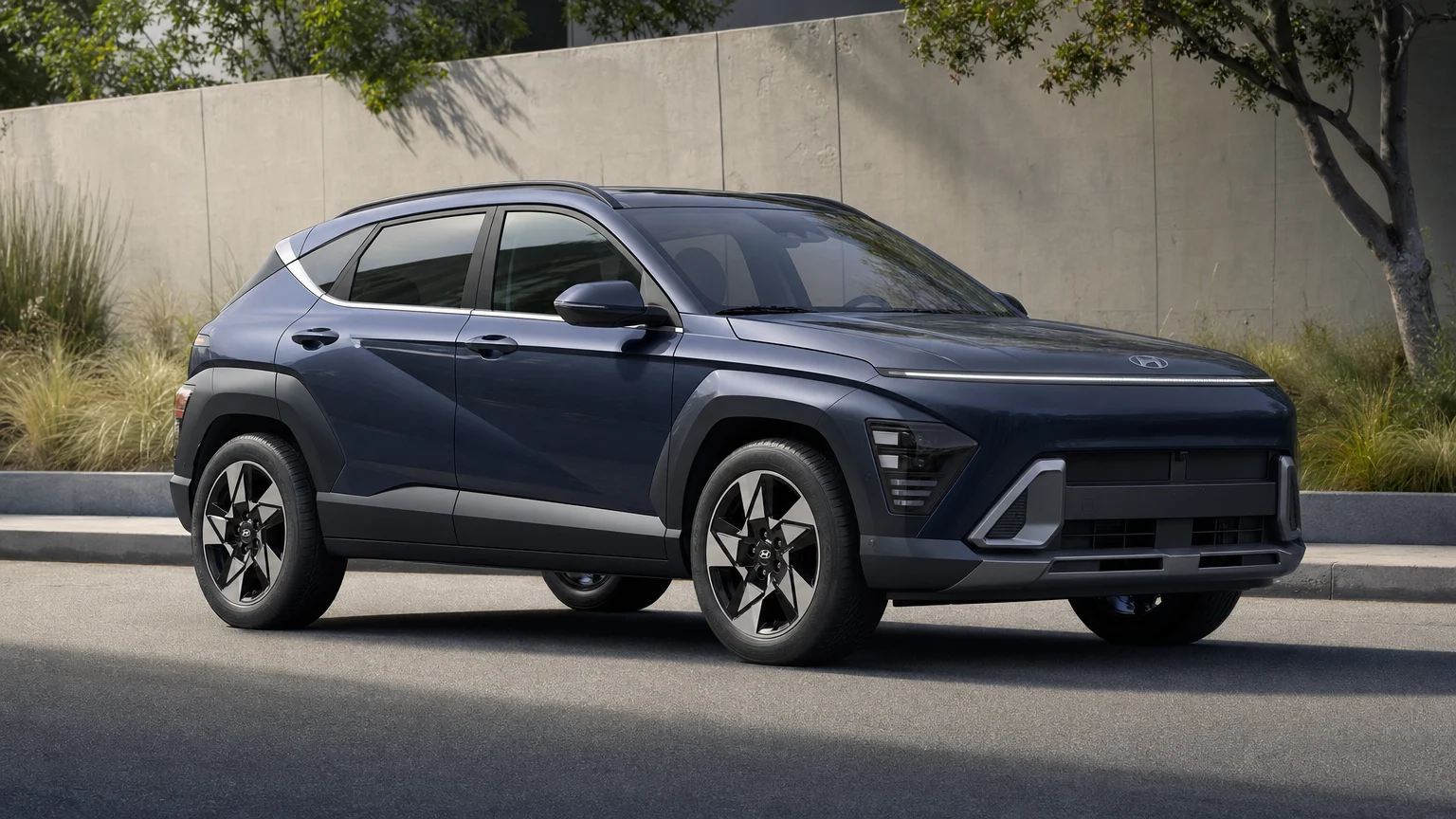
Hyundai Kona Recall: Rear Center Seat Belt Buckle Risk
Hyundai recalls 2024–2026 Kona and 2024–2025 Kona Electric vehicles. Do not use the rear center seat until the seat belt buckle is replaced.
2025–2026 Hyundai Tucson Recall: Instrument Display Failure
Certain 2025–2026 Hyundai Tucson models may lose instrument-panel information. See affected variants, software update details and official recall sources.